
Built for What Matters-Proven Where it Counts
We design and manufacture infrastructure-grade solar lighting for the real world, because reliability isn’t optional. How did we get there? The answer is a combination of extensive experience, 100% focus on solar lighting, heavy investment in research, development and training and a commitment to face-to-face customer engagement.
Our Beginnings
Like most success stories, Fonroche Lighting America didn’t become the nation’s solar streetlighting leader overnight.
2007:
Our story begins with the pioneers at SolarOne Solutions and Inovus, now part of Fonroche Lighting America. They led the launch of the first LED solar street and area lighting systems in the U.S., the first LED area lighting of any kind. These early efforts also explored high-density batteries and wireless networked controls, laying the groundwork for smarter solar lighting.
Meanwhile in France:
Fonroche Lighting was developing the Power 365, a rugged power center with specially engineered Nickel Metal Hydride batteries that delivered reliable performance from freezing Swiss winters to the blazing heat of the Middle East.
Mergers & Acquisitions
The Power to Grow.
The Vision to Lead.
2007:
SolarOne Solutions, Inc. join forces with Inovus Solar to establish solar street lighting leadership in the USA
2019:
Fonroche Lighting acquires SolarOne Solutions and incorporates Fonroche Lighting America, Inc.
2023:
Fonroche Lighting acquires NOWATT Lighting to expand it’s product line to architectural landscape lighting .
Evolution
Commitment and Investment
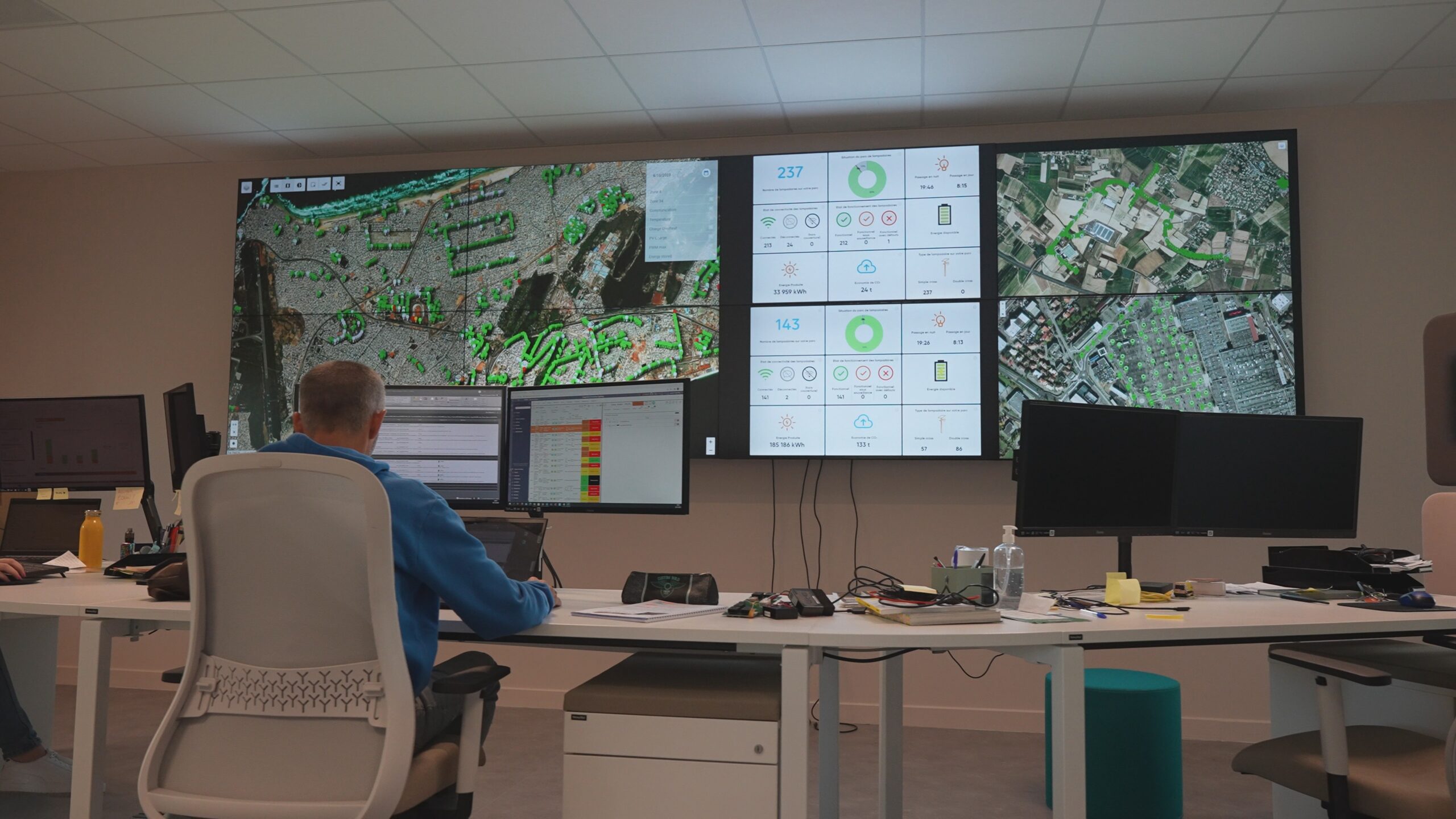
Today, Fonroche Lighting supports La Street, the world’s only research and training center dedicated entirely to solar powered lighting. Key elements of the facility include its Power Room, the Fonroche Tower, and the Light Room.






The city of Fort Worth, facing prolonged delays in repairing streetlights in the Harriet Creek Ranch neighborhood, chose Fonroche Lighting America’s solar-powered solution as a quicker alternative. The faulty lights were replaced in less than a week, with installations completed in just a few hours. This successful project helped initiate Fort Worth’s plan to install over 3,400 solar streetlights across 18 neighborhoods.

Keene installed 26 solar streetlights on Winchester Avenue and Roxbury Street, helping the city achieve its renewable energy goals while improving safety. This project is part of Keene’s broader sustainability efforts, aimed at reaching 100% renewable energy by 2030.

Bexar County used Community Development Block Funds to install solar streetlights in outlying areas without grid infrastructure. This project significantly improved safety by providing a reliable lighting solution where traditional infrastructure was not available.

Depew’s solar streetlight installation on Erie Street improved public safety near Fireman’s Park, where lighting was previously insufficient. The village plans to expand the use of solar lighting, thanks to the success of this project.

Tucson installed 19 solar streetlights in Pueblo Gardens, an underserved neighborhood, improving public safety. This project, funded by the Tohono O’odham Nation, highlights Tucson’s commitment to using solar technology to improve infrastructure in areas with high need.