
Resilient Lighting for Sovereign Communities
Grid-Free Solar Solutions That Protect Land, Budget, and Tradition
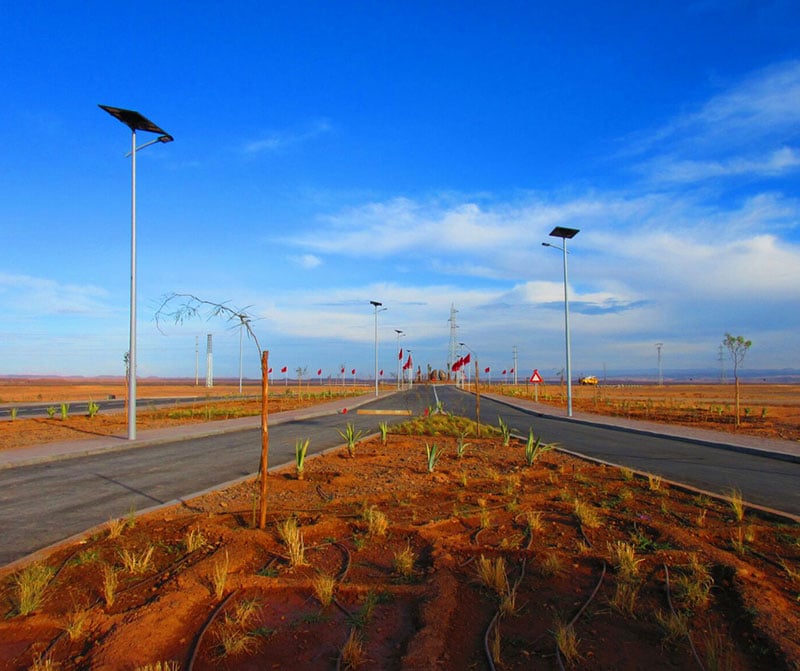
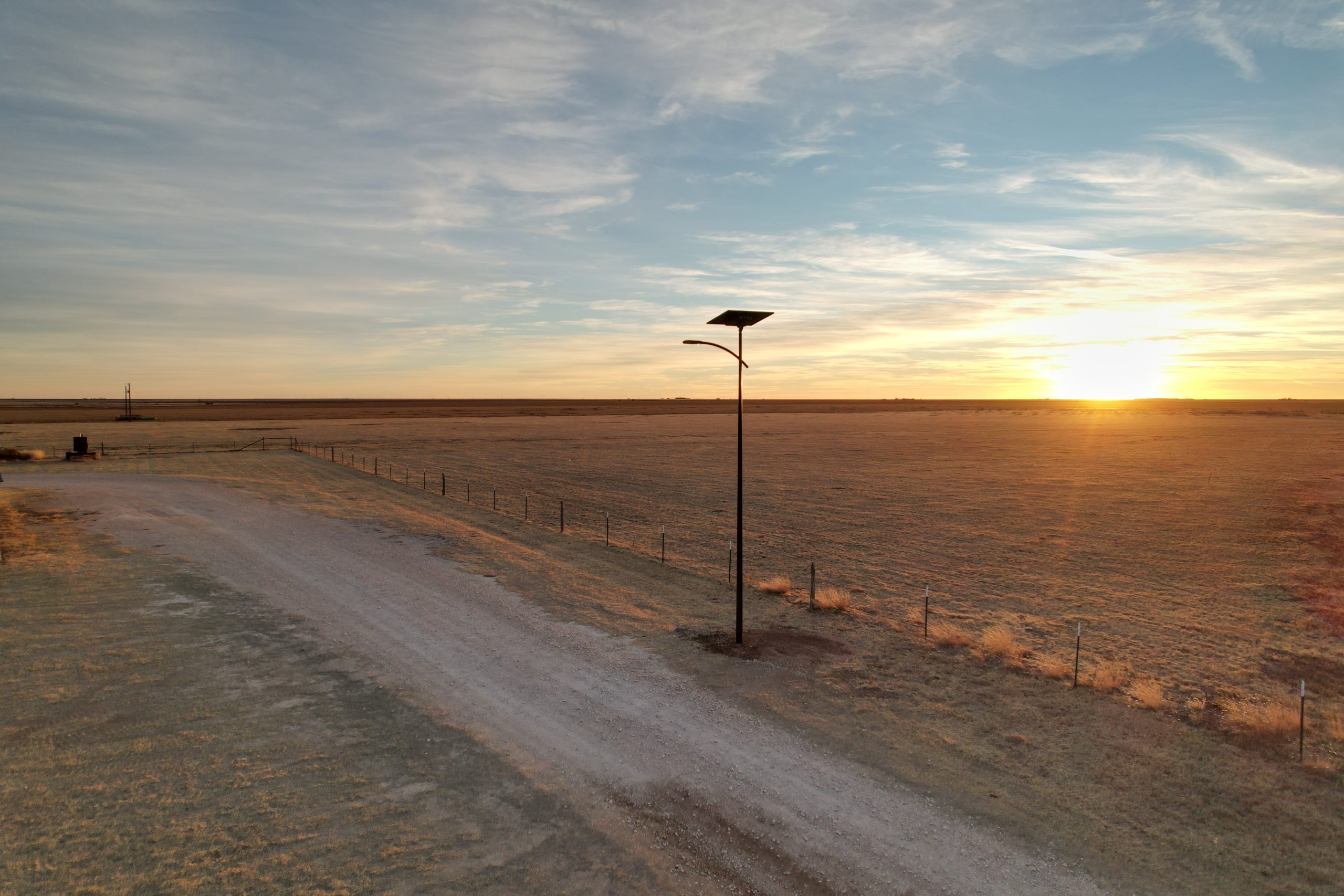
Fonroche Lighting America partners with Native and Indigenous communities across the U.S. to bring safe, reliable lighting to roads, housing, campuses, and gathering spaces—without disturbing the land or relying on the utility grid. Our off-grid solar lighting installs quickly, requires no trenching or wiring, and delivers bright, maintenance-free illumination for over a decade.
We understand the infrastructure challenges tribal nations face are more than technical—they’re also cultural, financial, and environmental. That’s why we work with tribal planners and leaders to deliver lighting solutions that align with sovereignty, respect tradition, and support long-term energy independence.
Off-Grid Lighting That Honors the Land and Strengthens Communities
What Tribal Leaders Can Expect from Fonroche
Fonroche Lighting America provides solar lighting systems engineered for reliability, simplicity, and respect for tribal land. Our complete systems operate 100% off-grid and are installed without trenching, wiring, or reliance on utilities—making them ideal for remote, sacred, or unserved areas.
Lighting Tribal Communities Without Compromise
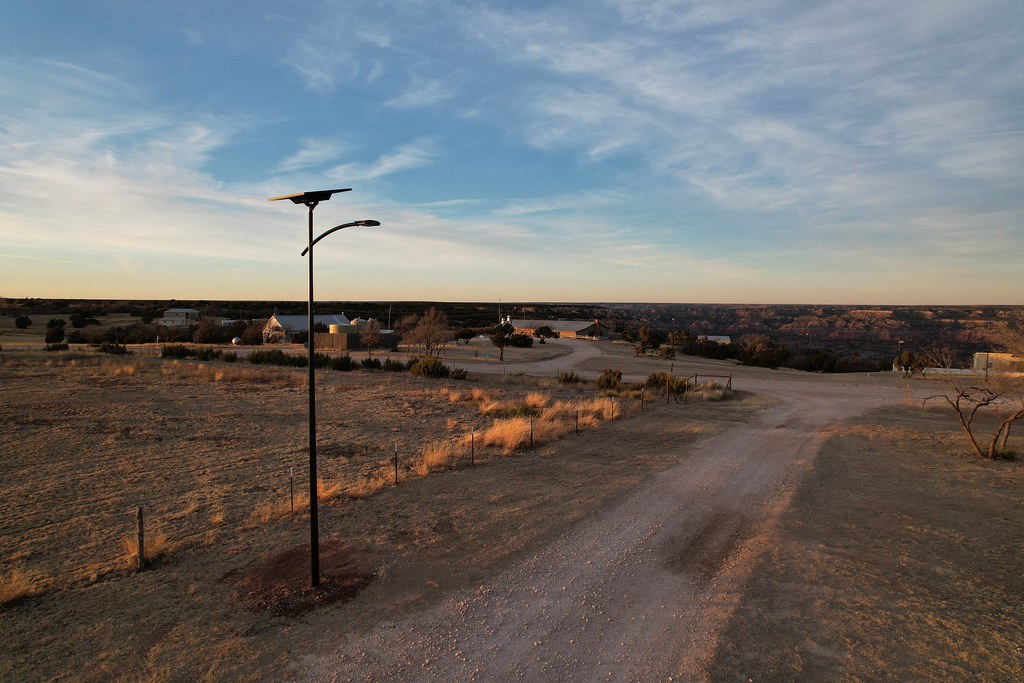
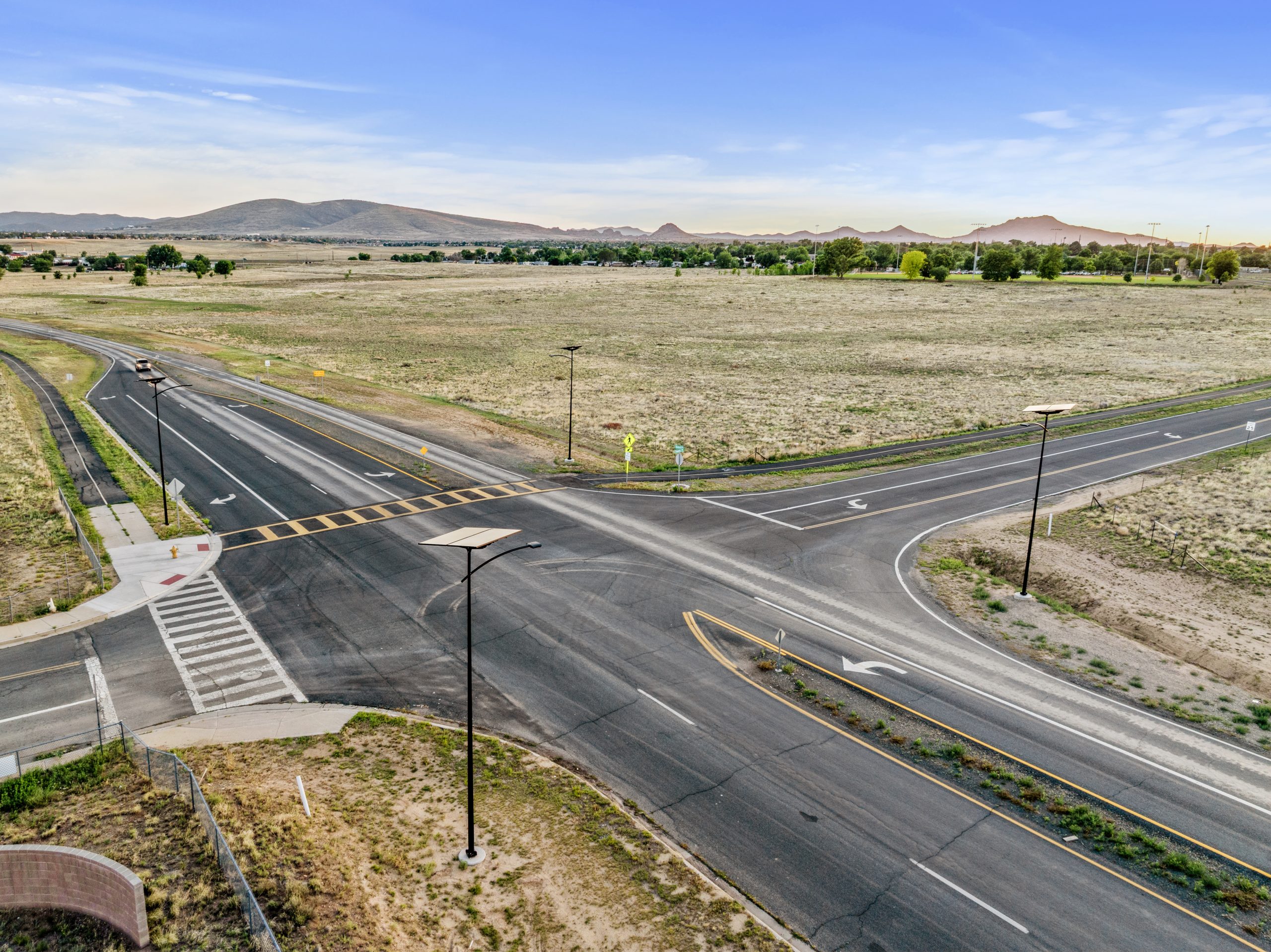
As a tribal leader, planner, or infrastructure director, you’re tasked with improving safety, connectivity, and sustainability—often across vast or sacred land, with limited access to conventional infrastructure. Fonroche solar lighting systems help you meet those goals without trenching, disruption, or dependence on outside utilities. Our grid-free systems deliver reliable illumination where it matters most—supporting tribal values and long-term community well-being.
Frequently Asked Questions About Solar Lighting for Native Americans
We understand that lighting projects on tribal land involve more than just technical requirements—they involve history, land rights, and long-term trust. Below are the most common questions we hear from tribal councils, infrastructure directors, and development authorities as they work to bring safer, more resilient lighting to their communities.