
September 9, 2025
Lighting the Way Forward:Augusta’s Solar Streetlight Solutions On Windsor Spring
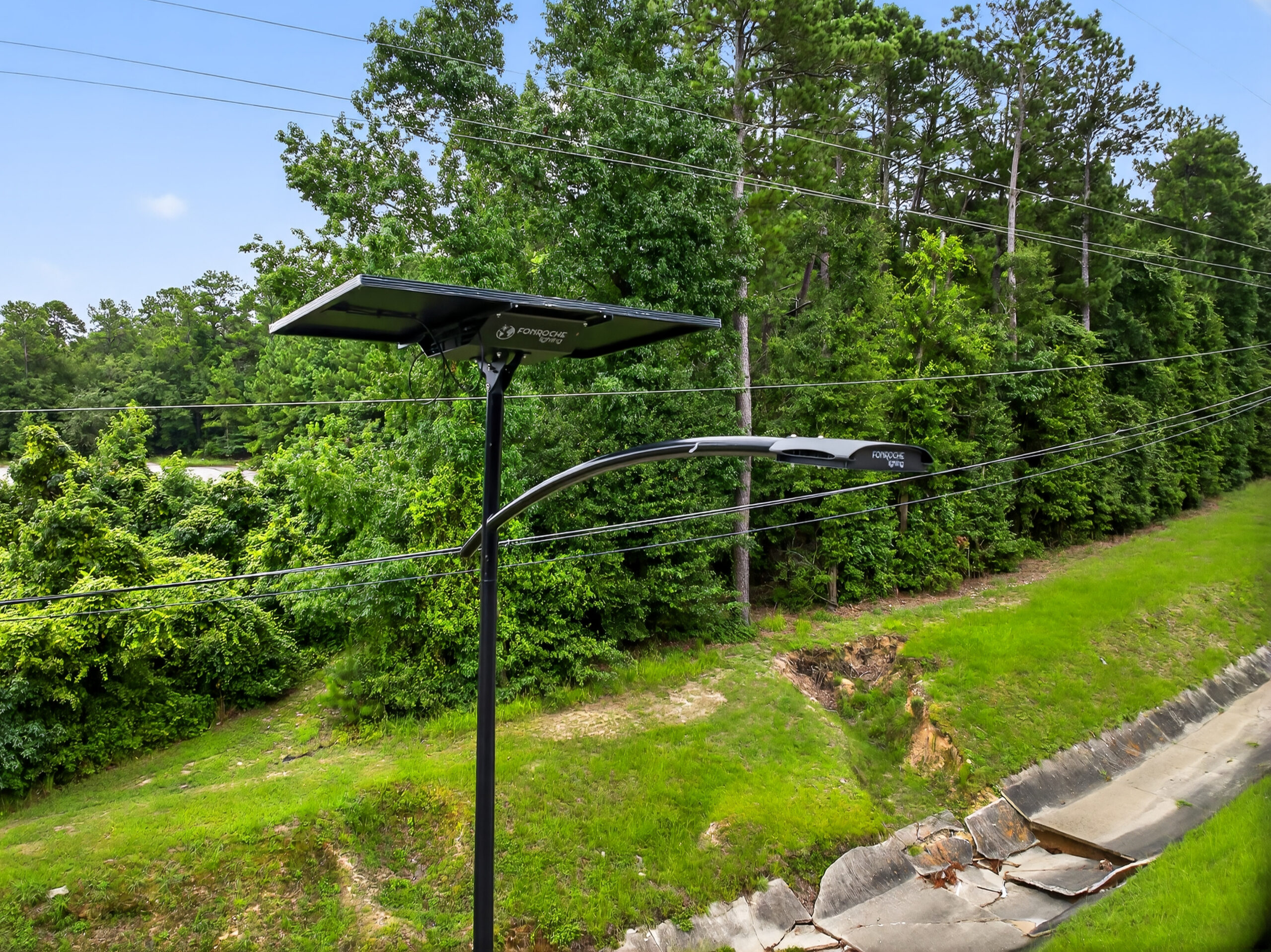
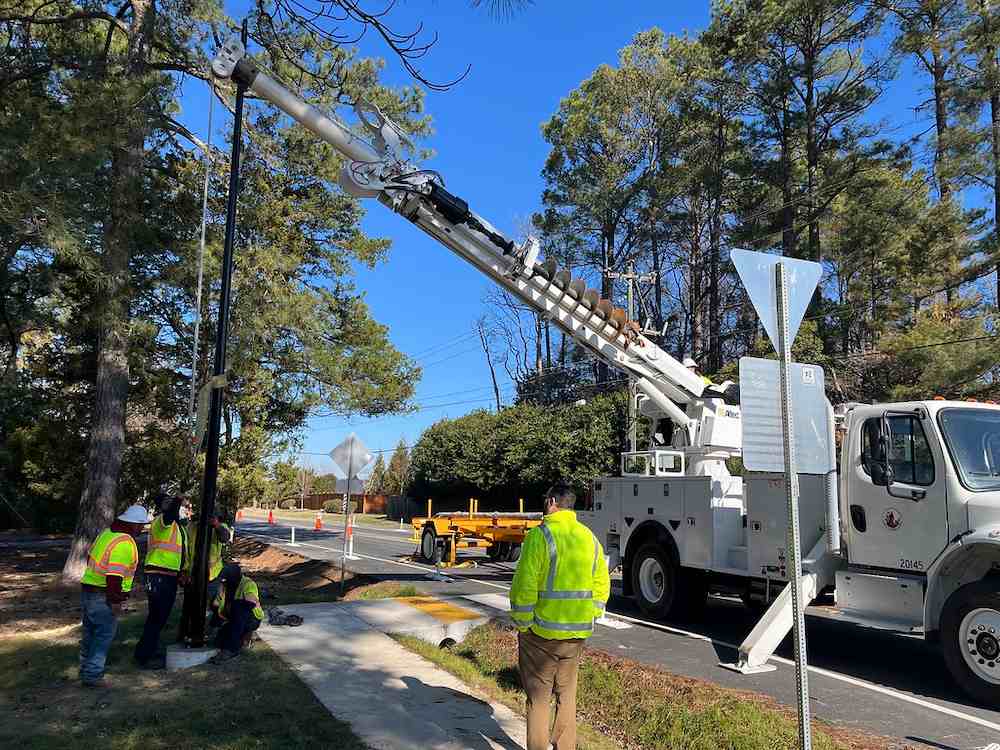
Fonroche Lighting America delivered reliable, off-grid solar street lighting for the Windsor Spring Road project in Augusta, Georgia. Designed to enhance safety and visibility, the system eliminates trenching and utility costs while providing consistent, year-round performance. This installation supports sustainable infrastructure goals while reducing project timelines and long-term maintenance needs.
“Augusta is always looking for ways to push our community into the future… We were drawn to this product due to its design, practicality, functionality, and warranty. As of now, we have installed the Fonroche Street lights along a major roadway to high community praise, with two more installations planned for the future.”

The Problem: Budget Deficits, Unsafe Roads, and Grid Limitations
Windsor Spring Road:-
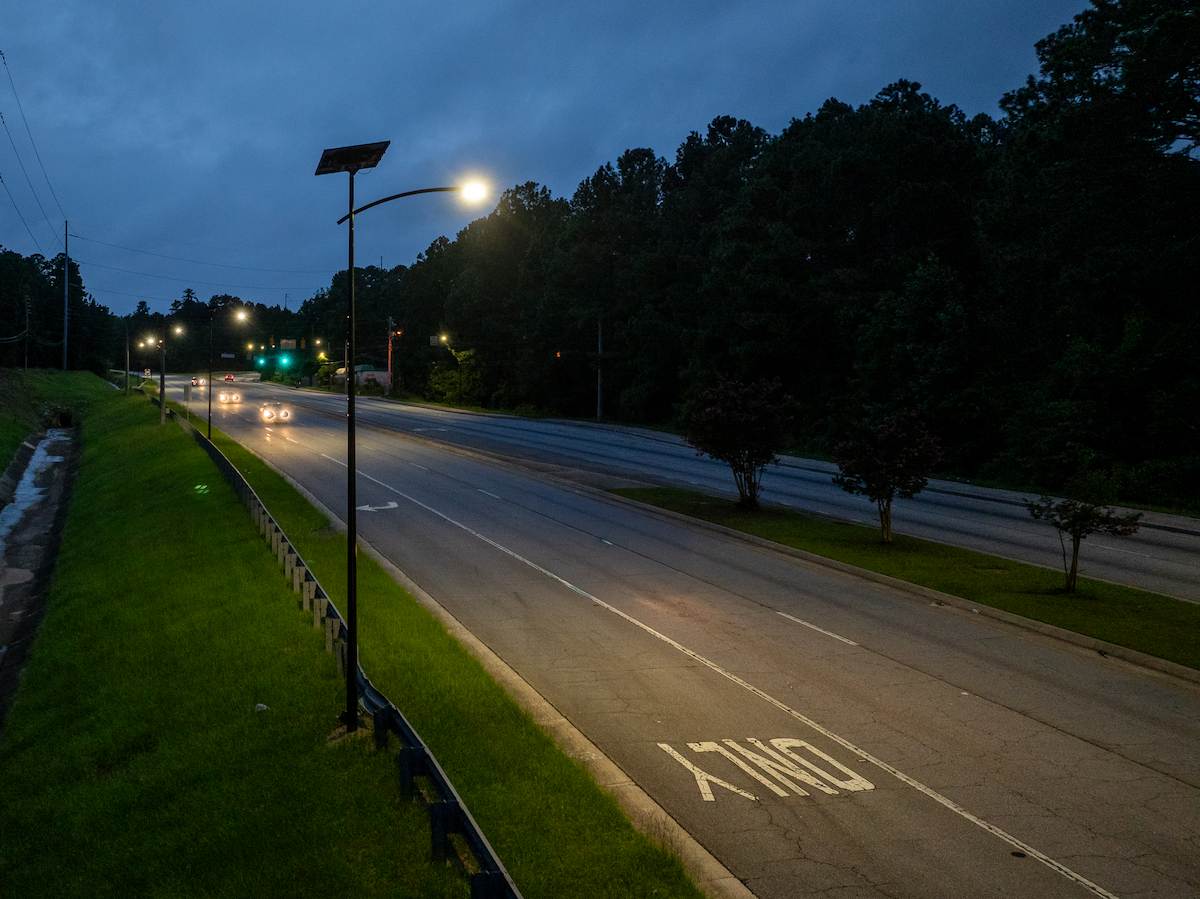
A ¾-mile stretch of Windsor Spring Road, one of Augusta’s busiest commuter corridors, remained completely unlit despite heavy use by drivers, school buses, and pedestrians. In low-visibility conditions, the corridor became a hotspot for near-misses and unsafe crossings. Yet the city’s streetlight program was operating under a $2 million budget deficit, making traditional grid-tied lighting financially and logistically unfeasible. Costly trenching, permitting, and utility coordination further delayed the possibility of delivering a timely solution.
Problem:
Wrightsboro Road: Aging Infrastructure and High Maintenance Costs
Wrightsboro Road:-
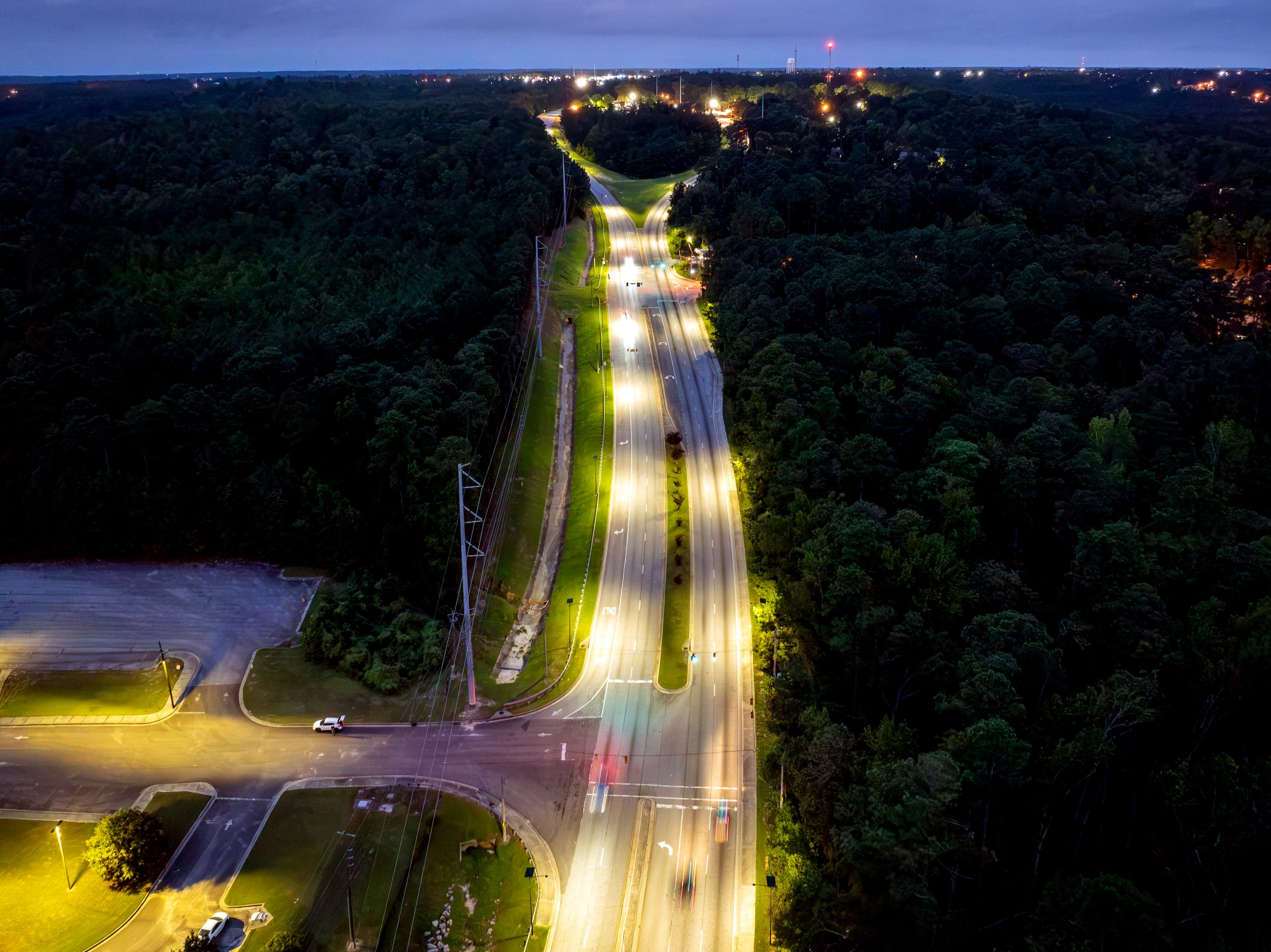
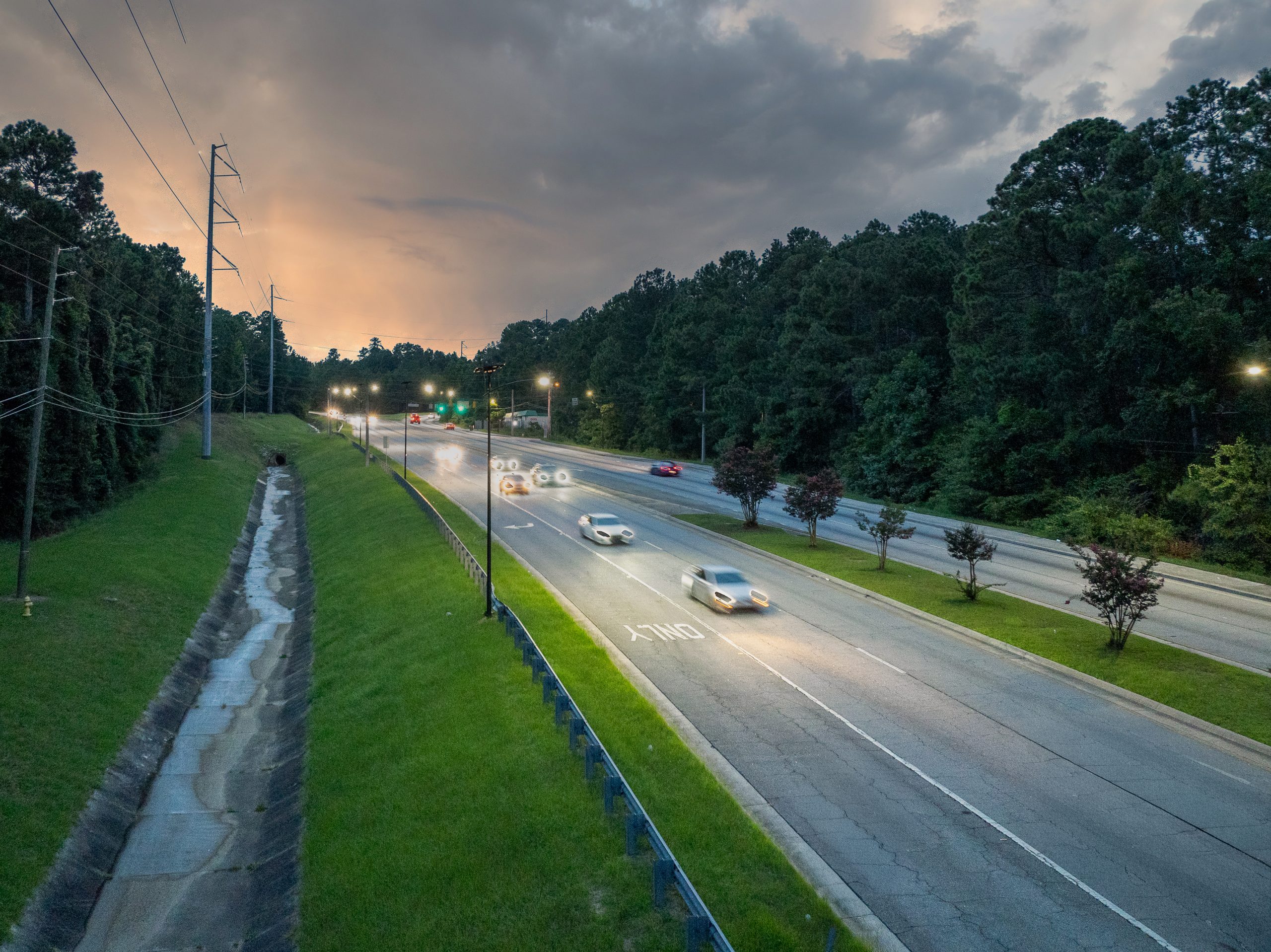
While Windsor Spring lacked lighting entirely, Wrightsboro Road faced the opposite challenge: outdated grid-connected lights that were expensive to maintain and inefficient to operate. The City sought to replace this ageing infrastructure with a more sustainable, cost-effective system that could provide all-night peak lighting comparable to grid standards while avoiding ongoing utility bills and recurring maintenance. Site constraints such as tree cover and billboards further complicated the project, requiring a flexible, off-grid solution
Results:
Safer Streets, Scalable Savings, Strong Public Support
Improved Corridor Safety
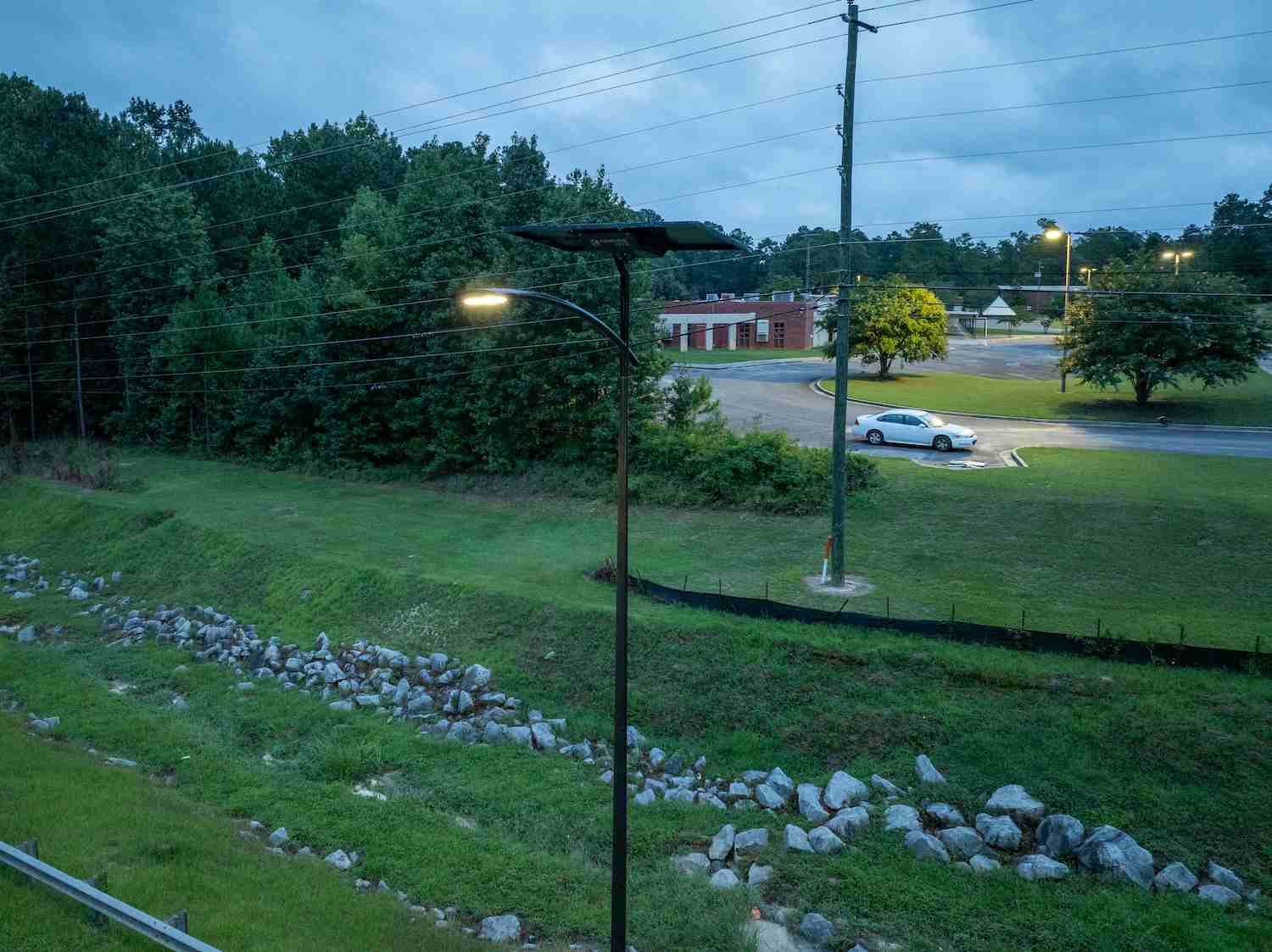
On Windsor Spring Road, dusk-to-dawn solar lighting now provides continuous visibility for drivers, school buses, and pedestrians, transforming what was once a dark, high-risk corridor. On Wrightsboro Road, the replacement of outdated grid-tied fixtures with off-grid SmartLights has improved nighttime safety across a busy commercial and residential route.
Community Confidence and Validation
The Windsor Spring project validated solar lighting as a cost-effective means of addressing unlit, high-risk corridors without burdening the city’s budget. Building on that success, the Wrightsboro Road deployment demonstrated Augusta’s ability to scale the same solution to a much larger, more complex roadway, replacing outdated grid-tied fixtures with off-grid SmartLights that deliver grid-comparable performance. Together, the two phases proved that solar lighting is not just a pilot or one-off fix, but a repeatable, citywide strategy. With both safety gains and financial relief realised, Augusta has positioned itself as a leader in Georgia for sustainable roadway infrastructure.
Operational and Fiscal Relief
Fonroche’s SmartLight Essential system provides Augusta with true lighting independence, avoiding trenching, grid tie-ins, and recurring monthly utility bills. On Windsor Spring Road, the city was able to close critical safety gaps without worsening its $2M streetlight budget deficit. On Wrightsboro Road, outdated grid-connected fixtures were replaced with off-grid SmartLights, eliminating utility bills and long-term maintenance expenses.
Additional outcomes include:
- No utility costs or electrical connection fees
- Elimination of recurring O&M burdens
- Over 10 years of maintenance-free operation
- Budget relief supporting both deficit recovery and reinvestment in new projects
For Augusta’s public works team, the two projects together delivered immediate results and long-term fiscal relief, ensuring safer streets without straining the city’s general fund.
Conclusion:
A Model for Sustainable Lighting Across Georgia
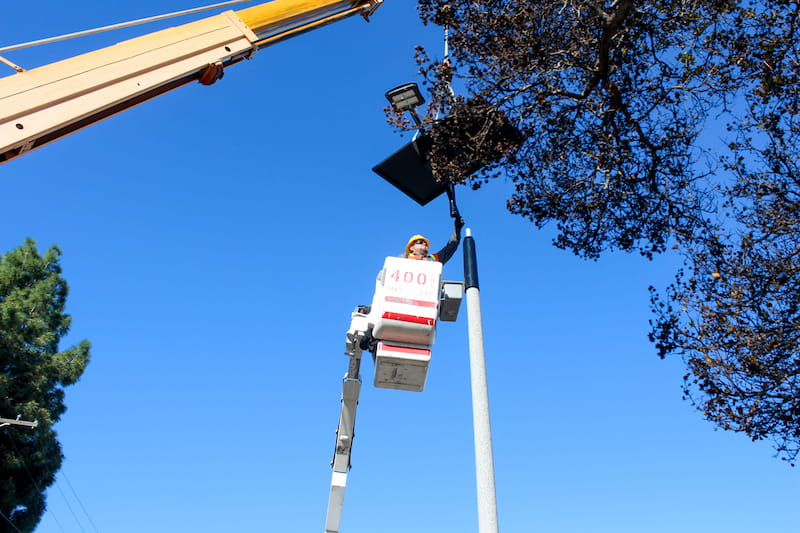
The Windsor Spring Road project showed how Augusta could deliver safe, sustainable lighting to a previously unlit and high-risk corridor without compromising on performance. The success of that pilot paved the way for Wrightsboro Road, where the city modernized a busy commercial and residential artery by replacing ageing grid-tied fixtures with resilient, off-grid SmartLights.
Together, these projects prove that solar street lighting is not just a one-time fix but a scalable citywide strategy, equally effective for filling coverage gaps and for retrofitting outdated infrastructure. By avoiding costly trenching, bypassing utility delays, and eliminating long-term energy costs, Augusta has set a clear precedent for how Georgia cities can tackle budget challenges, improve public safety, and lead with resilient infrastructure solutions.