
South Carolina Grants for Solar Lighting: Safer Streets, Faster Projects
Fund Off-Grid Lighting That Meets SCDOT Standards Without Utility Delays
South Carolina’s grants and incentive programs make it simple to bring reliable, grid-free lighting to public spaces without straining municipal budgets. Fonroche helps cities, counties, and developers unlock funding and deploy durable solar systems that enhance safety, resilience, and sustainability from day one.
Trusted by South Carolina’s Cities, Counties and Developer
Chosen by cities, counties, and infrastructure leaders across South Carolina for resilient, off-grid lighting performance.


Why Grants Matter for South Carolina Communities
Helping cities and counties modernize infrastructure without overextending local budgets.
South Carolina communities are navigating rapid growth, rising infrastructure costs, and increasing demands for resilience and sustainability. Fortunately, solar lighting qualifies for a variety of state and federal programs, helping local leaders upgrade public spaces and roadways without straining budgets. Fonroche streamlines the process, making it easier to secure funding and deliver safe, sustainable results faster.
Top Grants to Fund Safe, Resilient Solar Lighting in South Carolina
Real funding. Real impact. Solar lighting that meets your community’s safety and sustainability goals without relying on the grid.
South Carolina municipalities, counties, schools, and public agencies have access to a variety of federal and state funding programs that can help offset the cost of off-grid solar street lighting. Whether improving roadway safety, illuminating parks and trails, supporting emergency preparedness, or reducing long-term energy costs, these grants make resilient infrastructure projects more affordable.
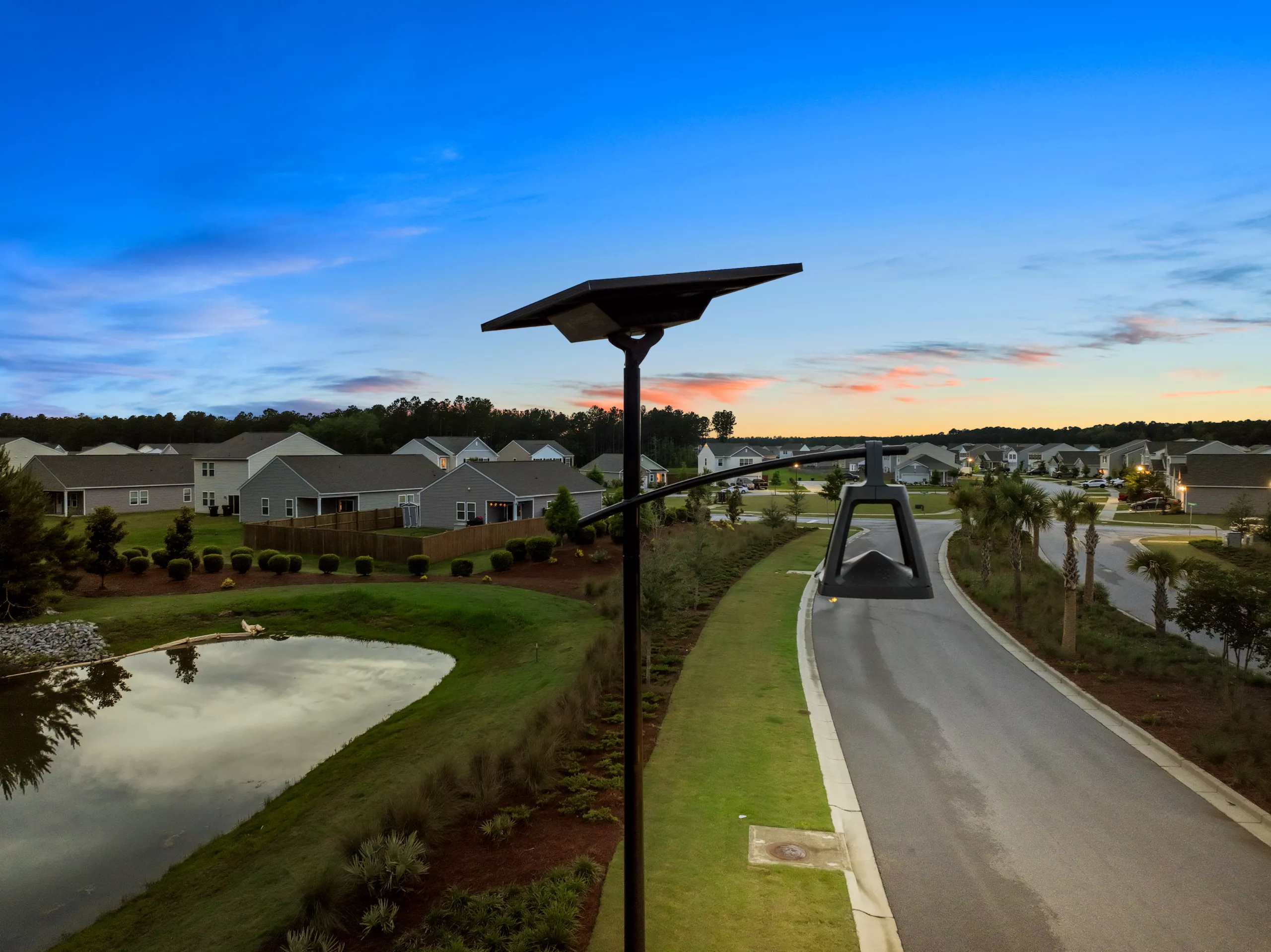
From rural communities to growing urban corridors, Fonroche Lighting America’s autonomous solar lighting systems help agencies deploy reliable, grid-independent lighting without trenching, utility coordination, or ongoing electricity expenses. Explore the funding opportunities below to identify programs that can help bring your next solar lighting project to life.
USDA REAP – Rural Energy for America Program
USDA REAP – Rural Energy for America Program
The USDA Rural Energy for America Program (REAP) provides grants and loan guarantees that support renewable energy projects in eligible rural communities. While commonly used for agricultural and commercial energy improvements, qualifying solar lighting projects may also benefit when they improve energy efficiency and reduce operating costs.
For rural South Carolina communities, REAP funding can help support off-grid solar street lighting for roadways, parks, public facilities, agricultural sites, and community spaces where extending utility infrastructure may be costly or impractical. By reducing dependence on the electrical grid while improving nighttime visibility and public safety, REAP can make resilient infrastructure projects more financially achievable.
South Carolina Solar for All (SCSFA)
South Carolina Solar for All (SCSFA)
South Carolina’s Solar for All (SCSFA) program helps expand access to clean energy by funding projects that benefit low-income households, disadvantaged communities, and underserved public spaces. The program supports infrastructure that improves energy resilience, public safety, and long-term sustainability. Fonroche’s off-grid solar lighting systems are well suited for parks, sidewalks, trails, streetscapes, transit stops, and public right-of-way improvements where reliable lighting is needed without extending the electrical grid. By eliminating trenching and utility costs, municipalities can maximize available grant funding while improving community safety.
SC Energy Efficiency Revolving Loan Fund (EERL)
SC Energy Efficiency Revolving Loan Fund (EERL)
The South Carolina Energy Efficiency Revolving Loan Fund (EERL) provides low-interest financing for public agencies and institutions investing in energy-efficient infrastructure improvements. Eligible projects include upgrades that reduce long-term operating expenses while improving the reliability of public facilities. With Fonroche’s autonomous solar lighting, municipalities, schools, parks, and public campuses can install dependable lighting without electricity bills, trenching, or utility coordination. The result is lower operating costs, improved public safety, and a resilient lighting solution designed for long-term performance.
DSIRE & SC Department of Revenue Incentives
DSIRE & SC Department of Revenue Incentives
South Carolina organizations can also explore incentives through the DSIRE database and applicable state tax programs that support renewable energy investments. Depending on project eligibility, these incentives may include tax benefits, financing opportunities, and other programs that help reduce the overall cost of solar infrastructure. When combined with federal or local grants, these incentives can make off-grid solar street lighting even more affordable for municipalities, schools, parks, transportation agencies, and community developments while accelerating project implementation and long-term savings.