
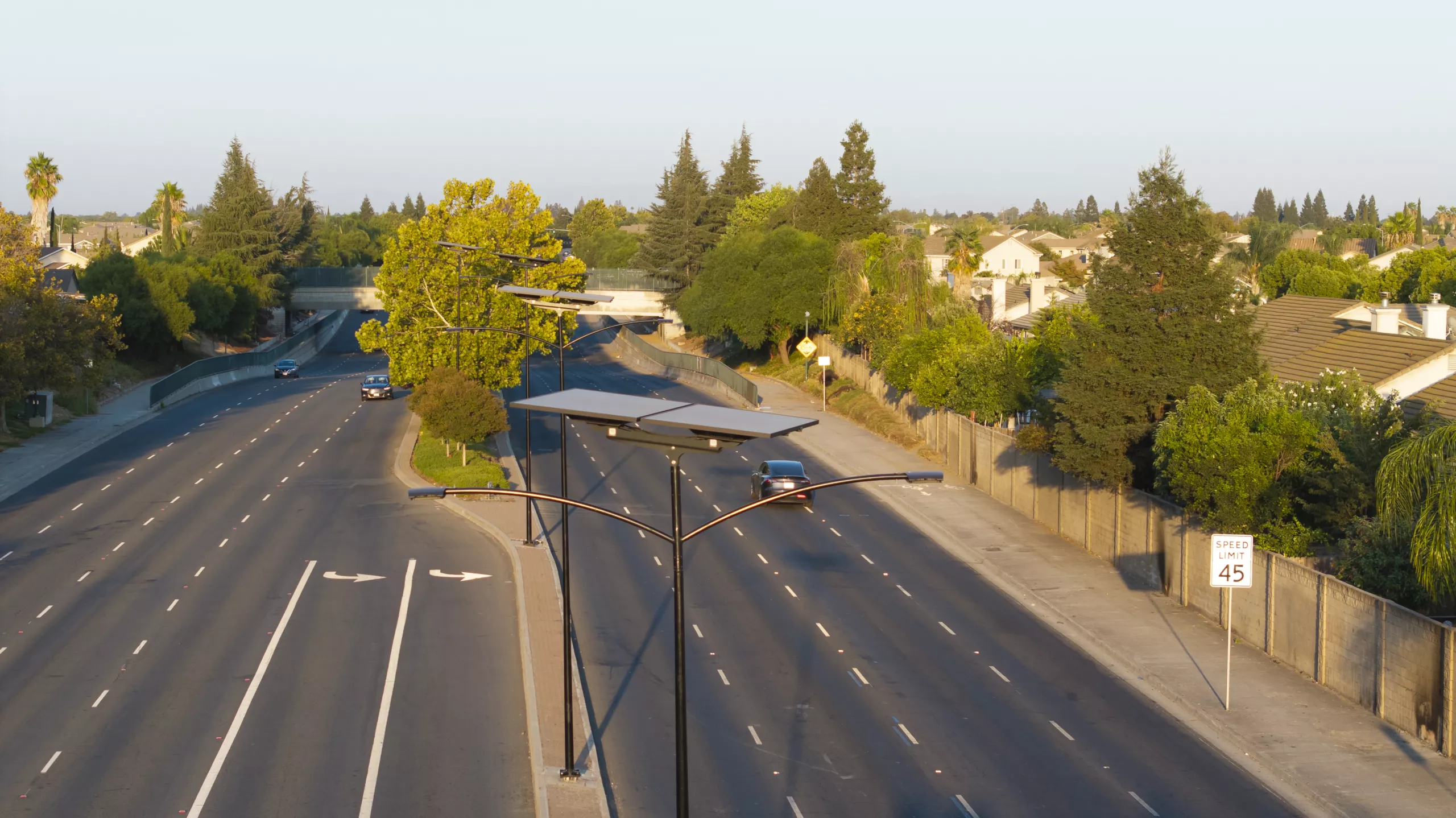
Do Solar Street Lights Work in Winter? What California Project Planners Should Know
Yes, properly engineered solar streetlights can operate during winter. However, winter performance depends on how well the system balances available solar energy, battery storage, lighting demand, operating schedules, and the conditions of the specific project site.
For project planners asking, “Do solar lights work in winter?”, shorter days do not mean solar panels stop generating energy. However, they can change the amount of solar energy available for collection and storage. In California, system design should account for seasonal daylight, solar exposure, shading, and required nighttime operating hours. Professional solar streetlights should therefore be engineered around the actual site and its energy requirements rather than generic assumptions about winter.
What Changes Solar Streetlights During Winter?
In winter, the main consideration for solar streetlights is balancing energy generation with nighttime demand. Shorter daylight periods and seasonal changes in solar availability can reduce the amount of energy collected during the day, while longer nights may increase the number of hours the system needs to operate.
Weather conditions, shading, and solar exposure can also vary by project location. For solar LED lights, this makes system design especially important. The question isn’t simply whether the solar panel receives sunlight in winter, but whether the complete system can generate, store, and manage enough energy to provide the required nighttime illumination through seasonal changes.
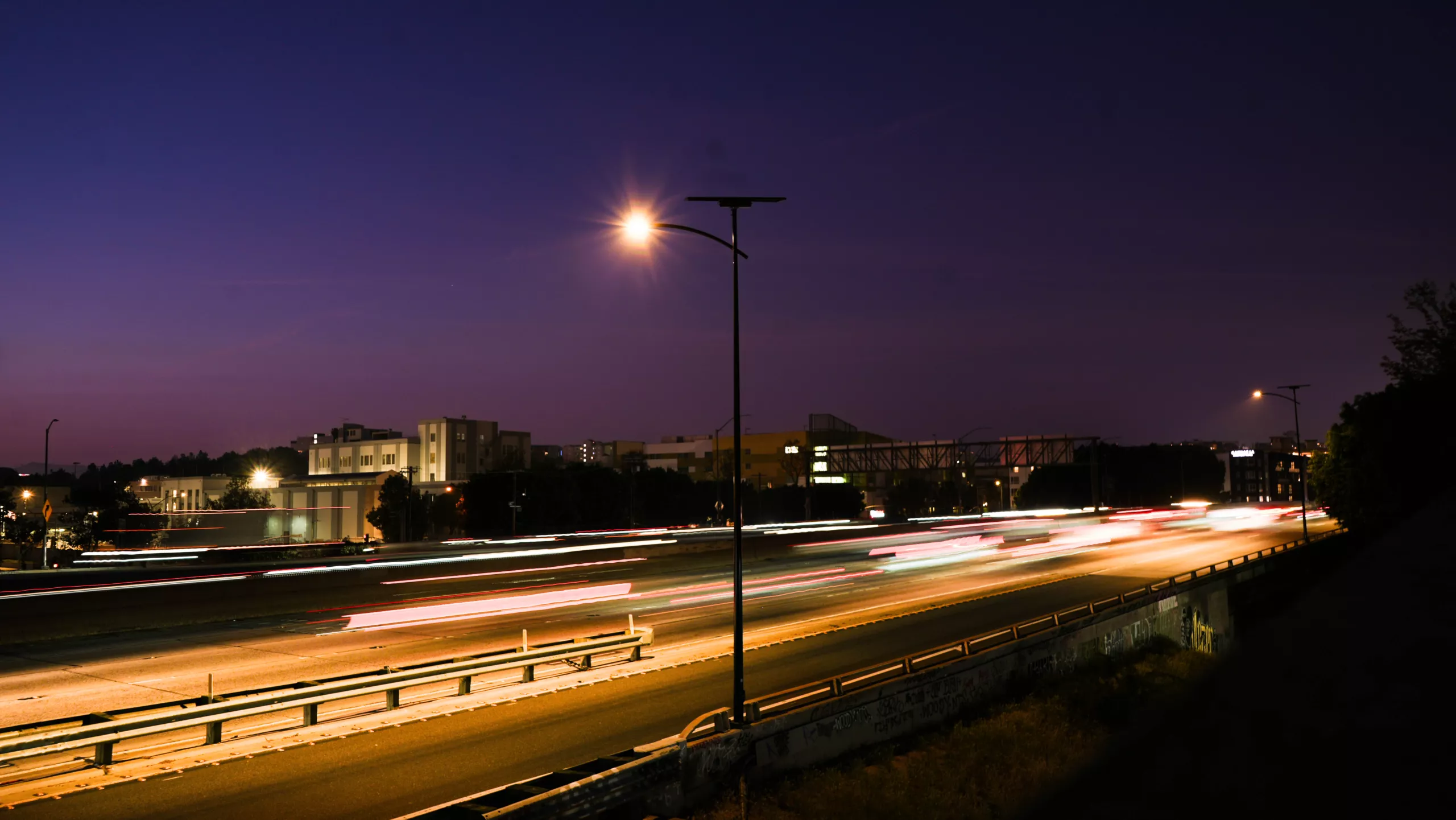
Shorter Days Do Not Mean Solar Streetlights Stop Working
Shorter winter days do not mean solar streetlights stop generating power. Solar modules continue producing electricity when solar energy is available, but the amount generated depends on the solar irradiance reaching the system rather than temperature alone. With fewer daylight hours, there may be less time available to collect the energy needed for nighttime operations.
For project planners, this makes seasonal solar availability an important part of system design. The solar array, battery storage, lighting demand, and operating schedule should be evaluated together, so the system is sized around the conditions expected at the specific installation site throughout the year.
Why Battery Storage Matters for Winter Performance
Solar streetlights collect energy during daylight hours, but nighttime performance depends on how effectively that energy is stored and managed. During winter, shorter days can change the amount of energy available for charging, while longer nights may extend the required operating period.
That makes battery storage an important part of the overall energy balance. The battery must support the energy demand of the solar LED streetlight, but simply increasing battery capacity does not guarantee reliable performance. Solar generation, storage capacity, lighting output, and the operating profile must work as one system. For winter operation, these elements should be sized together using the site’s seasonal solar availability and actual nighttime lighting requirements.
System Sizing Is More Important Than Simply Adding a Larger Solar Panel
Reliable winter performance is not achieved by simply increasing the size of the solar panel. A professional solar streetlighting system must balance how much energy can be generated, how much can be stored, and how much the luminaire will consume during the required nighttime operating period.
That balance starts with the project’s illumination requirements and available solar resources. Battery capacity, LED energy demand, operating profiles, and seasonal changes in solar availability must then be considered as part of the same system. Changing one component can affect the requirements of the others. For municipal projects, proper system sizing means engineering the complete energy cycle around the site and required lighting performance, not selecting individual components in isolation.
When Winter Conditions May Make a Site More Challenging
Solar streetlighting is not automatically suitable for every site. Significant seasonal shading with limited solar exposure, or poor solar-module placement, can reduce the energy available to the system, while demanding nighttime operating requirements may increase energy needs.
Site-specific environmental conditions must also be considered during system design. If the available solar resource cannot support the required lighting performance through appropriate system sizing and energy management, project planners may need to evaluate a different lighting approach for that location.
Frequently Asked Questions
Yes. Properly engineered solar streetlights can operate during winter when solar generation, battery storage, lighting demand, and operating schedules are sized around the seasonal conditions of the project site.
Yes. Solar modules can still generate electricity under cloudy conditions, although available solar energy may be reduced. System design should account for expected seasonal conditions rather than assuming ideal sunlight every day.
Yes. Shorter daylight periods can reduce the time available for energy collection, while longer nights may increase operating demand. Proper system sizing helps account for this seasonal energy balance.
Not necessarily. Performance depends on the specifications and operating limits of the complete system, including the battery, luminaire, energy management, and the environmental conditions considered during system design.
Winter design considers site-specific solar availability, seasonal shading, required illumination, operating schedules, energy demand, solar generation, and battery storage to appropriately size the complete lighting system.
Design for the Location, Not the Season
Winter performance is ultimately an engineering question, not simply a weather question. A solar streetlighting system should be designed around the energy available at the project location and the lighting performance required throughout the year. When solar generation, battery storage, LED demand, and operating profiles are properly balanced, seasonal changes can be accounted for as part of the overall system design.
Planning Solar Street Lighting in California? Fonroche Lighting America can help evaluate your site conditions and lighting requirements to develop an autonomous solar lighting solution engineered for your project.