

Alabama’s Infrastructure Is at a Turning Point
Across Alabama, county leaders are facing mounting pressure as ageing infrastructure struggles to keep up with modern demands. Roads, public spaces, and especially local lighting systems are experiencing increased wear, while maintenance budgets remain tight. Add population growth, expanding rural corridors, and outdated municipal systems, and it’s clear why Alabama infrastructure trends are shifting toward more resilient, low-maintenance solutions.
At the same time, severe weather continues to expose the vulnerabilities of traditional, grid-dependent infrastructure. Storm-related outages routinely knock out critical lighting, affecting safety and operations across counties large and small. These challenges are prompting many local governments in Alabama to explore renewable infrastructure solutions that lower long-term costs, improve reliability, and reduce the maintenance burden on county crews.
Infrastructure Pressures Facing Alabama Counties Today
Alabama counties are managing infrastructure that’s decades old, and in many areas, lighting and roadway systems were never designed to handle today’s traffic patterns or safety expectations. Routine maintenance costs continue to rise, stretching already limited budgets and forcing counties to prioritise only the most urgent fixes. This growing imbalance is one of the core infrastructure challenges that local leaders in Alabama are working to solve.
Weather disruptions add another layer of strain. Storms, tornadoes, and prolonged outages frequently damage grid-tied lighting and roadside electrical systems, especially in rural regions where repairs can take longer. At the same time, new residential and industrial developments are expanding faster than the electrical grid can support. These pressures are pushing counties to look for sustainable county infrastructure solutions; options that operate independently, require less maintenance, and can be deployed where grid access simply doesn’t exist.
Why Counties Are Shifting Toward Renewable Infrastructure
A. Long-Term Reliability with Lower Maintenance
- Many Alabama counties are actively seeking infrastructure systems that can reduce operational strain on limited public works teams. Renewable technologies offer a predictable, low-maintenance alternative to traditional electrical systems, helping counties cut down on outages and avoid ongoing repair cycles. This long-term performance is a driving force behind the rise of renewable infrastructure in Alabama.
B. Resilience in Storm-Prone Regions
- Tornadoes, hurricanes, and severe thunderstorms frequently disrupt county services across the state. When grid-dependent assets fail, critical areas are left without lighting or power until crews can respond. Renewable, self-sustaining systems provide resilient infrastructure for Alabama communities by continuing to operate even when the electrical grid goes down.
C. Faster Deployment for High-Need Areas
- Counties often need solutions that can be implemented quickly, without long construction timelines, trenching, or utility permitting. Renewable technologies such as solar lighting in Alabama allow for rapid deployment in safety zones, public spaces, and growing corridors. This flexibility supports municipal planning and fits seamlessly into broader municipal renewable solutions.
D. Reducing Dependence on Ageing Grid Infrastructure
- Many rural and fast-growing suburban areas still lack reliable grid access or face recurring outages from overloaded electrical systems. By adopting off-grid solutions in Alabama, counties gain the ability to expand services without waiting for utility upgrades or investing in costly electrical extensions.
Where Alabama Counties Are Applying Renewable Solutions
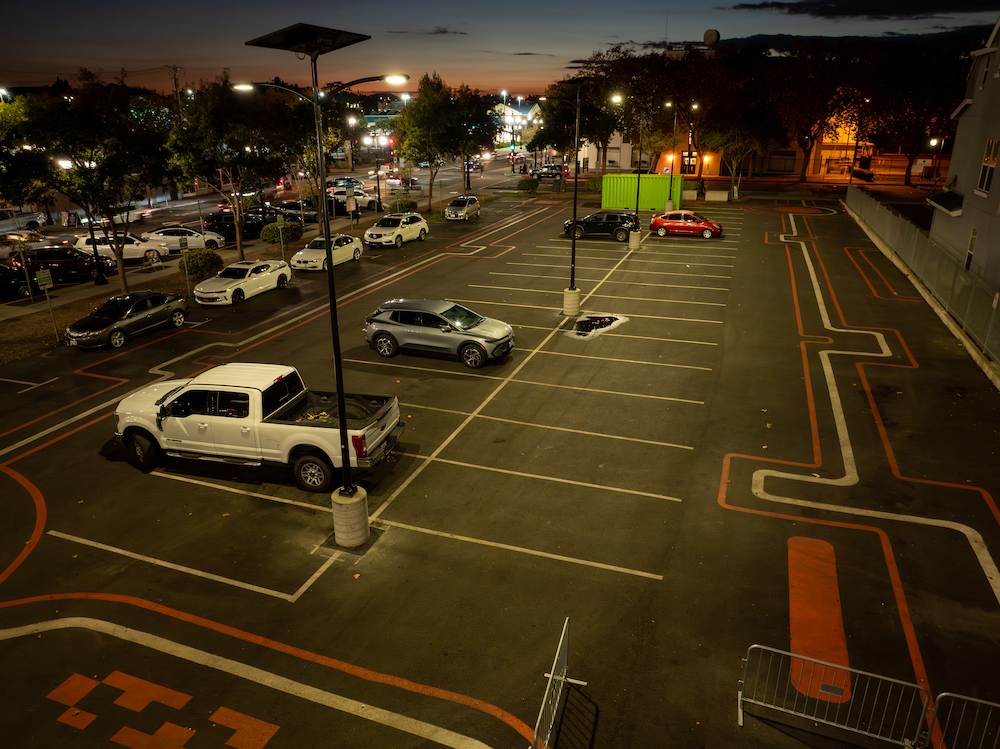
Alabama counties are increasingly turning to renewable systems to modernize essential public spaces without relying on ageing electrical infrastructure. One of the most common applications is roadway corridors and major county routes, where solar lighting in Alabama helps improve nighttime visibility and reduces long-term maintenance demands. These solutions allow counties to enhance safety on stretches of road that were previously too costly or difficult to illuminate with traditional grid-tied systems.
Renewable infrastructure is also being adopted in parks, trails, community gathering areas, and rural regions where electrical access is limited or unreliable. Counties are using sustainable lighting and off-grid technologies to improve visibility at intersections, public safety zones, and county facilities, areas that benefit from dependable, low-maintenance operation. As a result, these upgrades are becoming an important part of building sustainable county infrastructure across Alabama’s urban and rural communities.
Why Solar Lighting Is Emerging as a Top Renewable Choice for Alabama
Solar lighting has become one of the most practical renewable solutions for Alabama counties because it delivers reliability where traditional infrastructure struggles. With frequent storms and grid outages across the state, solar street lighting in Alabama offers dependable, off-grid operation that keeps critical areas illuminated even when electrical systems fail. County leaders value this stability, especially in regions where severe weather or ageing utility lines regularly disrupt service.
Solar lighting is also well-suited for rural roads, remote corridors, and expanding county footprints where electrical access is limited or costly to extend. By eliminating trenching, wiring, and utility dependency, counties can deploy lighting more efficiently while reducing long-term maintenance needs. Lower lifecycle costs and consistent performance make renewable lighting in Alabama an increasingly attractive option for both small towns and fast-growing suburban communities seeking sustainable, future-ready infrastructure.

County Leaders’ Top Questions
How durable are renewable systems in Alabama’s weather conditions?
Most renewable infrastructure systems are engineered to withstand Alabama’s heat, humidity, and severe-weather cycles. Off-grid technologies, especially solar lighting, perform reliably during storms because they are not dependent on vulnerable electrical lines. This durability makes them a strong fit for renewable infrastructure in Alabama.
Can solar lighting support public safety needs at night?
Yes. Modern solar lighting in Alabama provides consistent brightness levels suitable for intersections, county roads, parks, and public facilities. Because the systems stay illuminated during grid outages, they often improve nighttime safety compared to traditional lighting.
How do renewable infrastructure options reduce long-term costs?
Renewable systems eliminate many of the recurring expenses associated with grid-tied infrastructure, such as wiring repairs, trenching, and rising utility costs. Counties benefit from reduced maintenance workloads and predictable operating budgets over the system’s lifespan.
Are renewable solutions reliable enough for rural county roads?
Absolutely, Off-grid renewable systems operate independently of the electrical grid, making them ideal for rural and underserved regions where utility access is limited. Counties can deploy lighting in areas that were previously too difficult or costly to service.
How do renewables compare to traditional infrastructure for maintenance?
Renewable systems generally require far less maintenance because they have fewer failure points and no underground cabling. This reduces strain on county crews and helps extend the life of county assets compared to traditional, grid-dependent infrastructure.
Alabama’s Infrastructure Future Is Renewable
Alabama counties are steadily moving toward infrastructure solutions that offer greater durability, lower maintenance, and long-term reliability. As traditional systems continue to age and weather-related outages persist, renewable technologies have become a practical and forward-looking option for county modernization.
From roadway corridors to community gathering spaces, the growing adoption of renewable infrastructure reflects a clear statewide trend: Alabama is investing in solutions that support safer communities, stronger resilience, and a more sustainable future.