
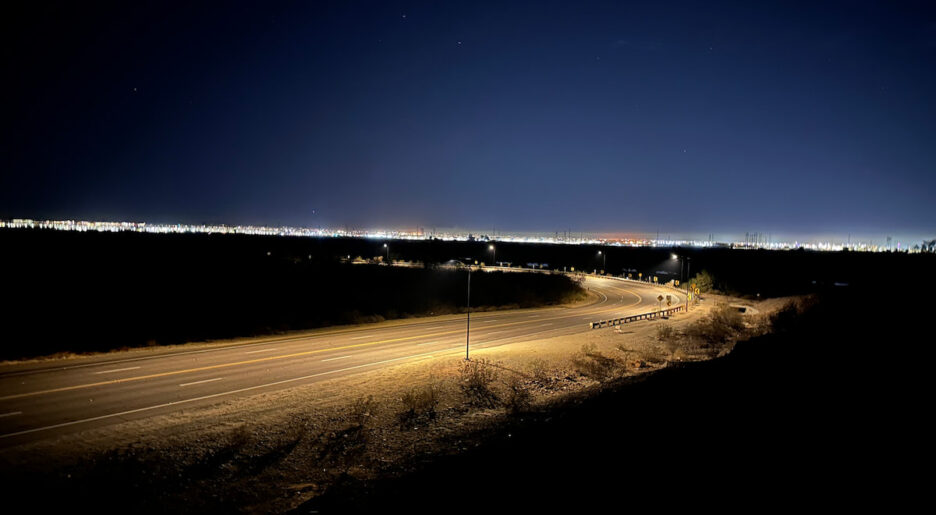
Lighting the Hard-to-Reach Places
Remote areas often face the same lighting needs as urban centers—safety, visibility, usability after dark—but without the infrastructure to support traditional wired systems. Whether it’s a trail in a nature preserve, a utility access road, or a community park miles from the nearest electrical connection, bringing light to these locations can be costly, complex, and disruptive.
That’s why municipalities are increasingly turning to off-grid solar lighting solutions. When designed properly, these systems offer reliable, maintenance-light performance without trenching, grid access, or utility coordination. But reliability in remote locations isn’t just about the presence of sunlight—it depends on smart engineering, durable components, and a deep understanding of local environmental conditions.
In this article, we’ll explore what makes solar lighting reliable in remote areas—and how systems like those from Fonroche have made year-round, autonomous operation possible in even the most isolated environments.
Table of Contents
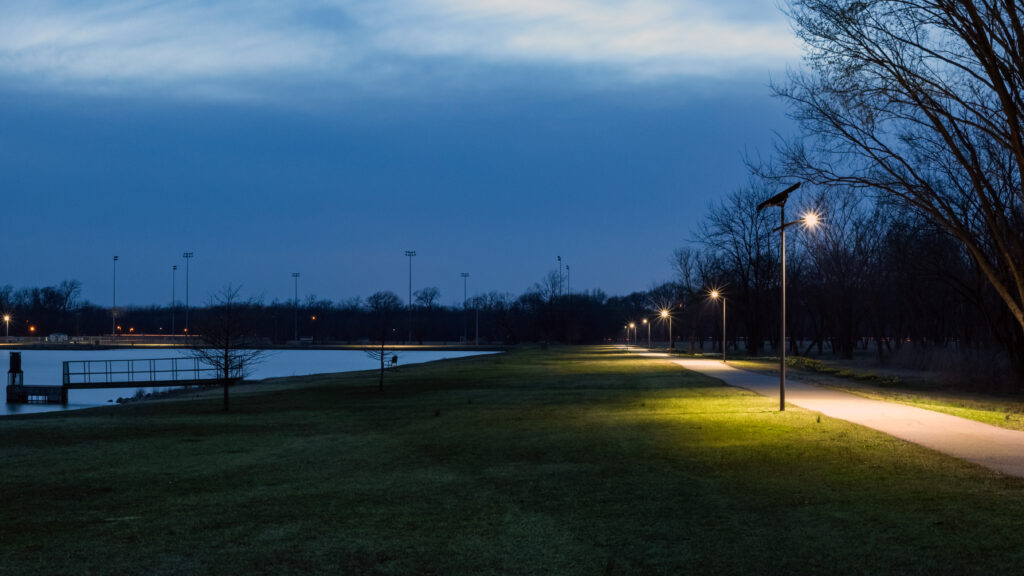
Challenges of Lighting Remote Locations
Remote environments come with their own set of obstacles—many of which make traditional lighting impractical or impossible. Without nearby electrical infrastructure, every additional foot of conduit, trenching, or grid extension adds time, cost, and environmental disturbance.
Common challenges include:
- Lack of utility access
Extending power lines to isolated sites can be cost-prohibitive—especially when the area is ecologically sensitive, like wetlands, preserves, or protected tribal lands. - Difficult terrain or soil conditions
Uneven ground, rocky soil, or flood zones can complicate trenching and increase the risk of installation delays or damage to underground infrastructure. - Limited service access
In areas without routine maintenance crews or vehicle access, lighting systems must be highly durable and operate independently for long periods. - Harsh weather conditions
Exposure to snow, heat, high winds, or salt air can degrade components faster if the system isn’t engineered to withstand it.
This is where remote-ready solar lighting systems—like Fonroche Lighting—become essential. By eliminating the need for trenching and utility coordination, and by using pre-sized, sealed, and climate-tested components, these systems enable safe, usable spaces where grid-based lighting simply isn’t feasible.
What Makes Solar Lighting Reliable Off the Grid?
For a solar lighting system to succeed in remote areas, it must do more than capture sunlight. True reliability comes from engineering every component to perform without intervention, across changing seasons, weather conditions, and usage patterns.
Core attributes of reliable off-grid lighting include:
- Accurate system sizing
Reliable systems are modeled using local solar irradiance, shading, and seasonal patterns. Fonroche uses 10-year weather datasets and PV simulation tools to ensure systems are sized to operate 365 nights a year—no guesswork involved. - High-capacity energy storage
In areas with limited sunlight during winter months or dense tree cover, systems need ample battery reserves. Fonroche’s use of long-life NiMH batteries ensures extended performance, even through multi-day low-sunlight periods. - Adaptive energy management
With smart controls like Fonroche’s Power 365, the system adjusts light output based on battery charge, ambient conditions, and time of night—helping prevent over-discharge and maximizing runtime. - Weather- and vandal-resistant construction
All components are sealed, corrosion-resistant, and tested for harsh conditions—minimizing damage from moisture, heat, or impact. - No dependency on the grid
Systems are fully autonomous. That means no delays from utility coordination and no outages tied to grid disruptions—critical for areas prone to storms, wildfires, or public safety shutoffs.
In remote settings, reliability isn’t just a nice-to-have—it’s a requirement. Fonroche systems are engineered to work where people can’t easily intervene, ensuring consistent performance in places where lighting is most needed, but hardest to maintain.
Off-Grid Lighting That Works When—and Where—You Need It
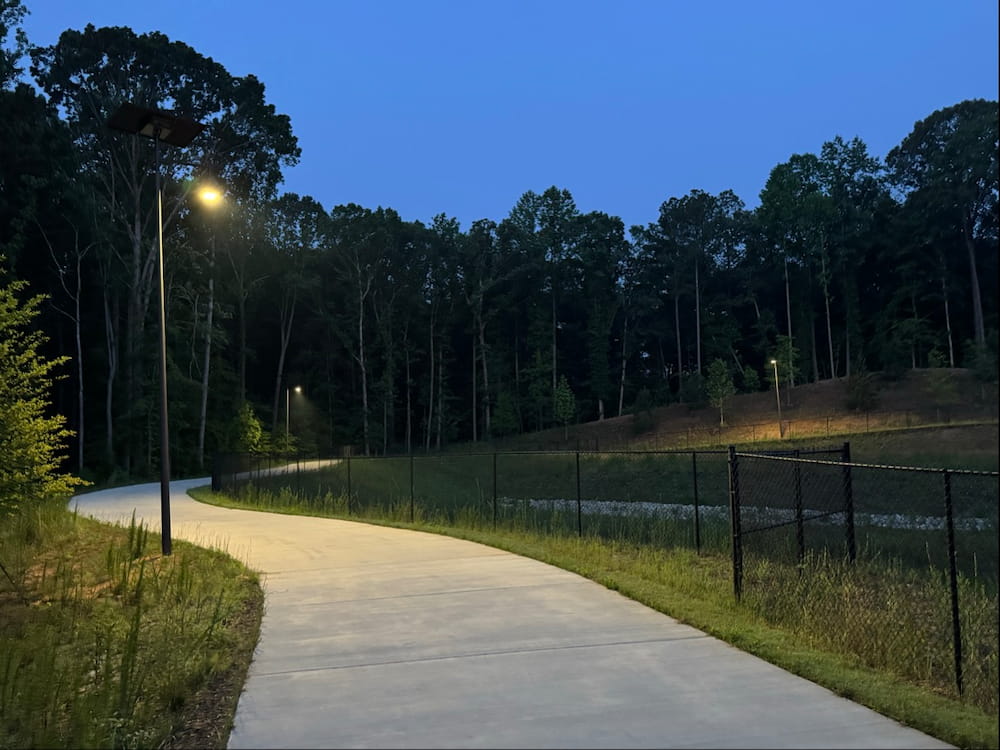
Lighting remote spaces shouldn’t require grid extensions, permits, or ongoing maintenance crews. With the right system design, solar lighting can deliver dependable, autonomous performance in even the most isolated or environmentally sensitive areas.
Fonroche systems are already supporting parks, trails, utility corridors, and tribal lands across the U.S.—places where trenching is unfeasible and the grid is out of reach. By combining smart controls, long-life batteries, and site-specific engineering, Fonroche offers a proven way to extend safe, usable lighting far beyond the limits of conventional infrastructure.
If you’re planning an off-grid project and need lighting that works without compromise, Fonroche Lighting can help model a solution built for distance, durability, and real-world reliability.