
How Off-Grid Solar Bypasses Trenching Issues in Historic Virginia Cities
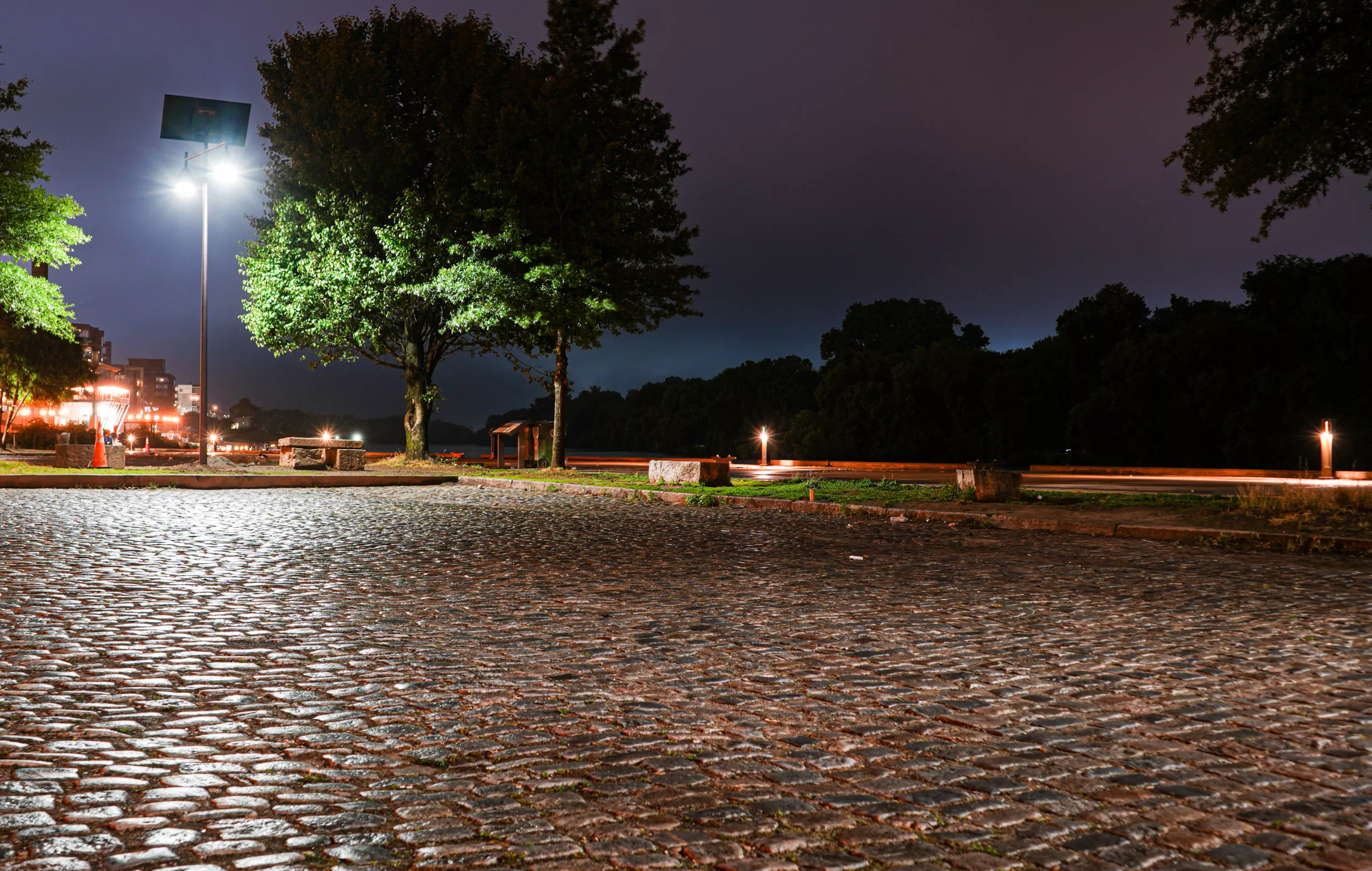
Installing new street lighting in historic Virginia cities is rarely simple. From preservation restrictions and dense underground utilities to prolonged permitting cycles, traditional grid-tied lighting projects often stall before they even begin. Trenching through brick streets, cobblestone sidewalks, or protected corridors in places like Alexandria, Richmond, or Williamsburg can add months of delays and high cost, while disrupting the very character that communities are trying to preserve.
Fonroche Lighting America offers a smarter alternative. Our off-grid solar street lighting systems require no trenching, no wiring, and no utility coordination, making them ideal for historic districts where excavation isn’t an option. Designed for reliability and installed with minimal site impact, Fonroche solar lighting allows Virginia cities to upgrade safety and visibility without compromising heritage, timelines, or budgets.
In this article, we’ll explore the real challenges historic Virginia communities face with traditional lighting, and how trench-free solar lighting solutions are helping cities move forward faster, cleaner, and independently.
Why Trenching is a No-Go in Virginia’s Historic Districts
For many historic cities across Virginia, trenching isn’t just inconvenient; it’s often impractical, restricted, or outright discouraged. Communities trying to modernize street lighting quickly run into a familiar set of challenges that slow projects down and drive costs up.
Common pain points include:
Preservation laws restrict underground work
- Historic districts are governed by strict preservation guidelines designed to protect original streetscapes, materials, and underground artefacts. Excavation is often limited or prohibited, making traditional grid-connected lighting difficult to approve.
Preservation laws restrict underground work
- Older cities frequently have undocumented or tightly packed underground utilities. Trenching increases the risk of damaging water, gas, or telecom lines, leading to unexpected repairs, liability concerns, and further delays.
Lighting aesthetics must match historic designs
- Streetlights in historic areas must align with approved architectural styles. Visible conduit, modern poles, or utility boxes often fail review, forcing redesigns and added costs.
Multi-agency permitting is slow and costly
- Projects may require approval from preservation boards, local planning departments, utilities, and state agencies. Coordinating these reviews can stretch timelines from weeks into months or longer.
Trenching disrupts pedestrian zones and tourism
- Sidewalk closures, street cuts, and construction zones negatively impact walkability, local businesses, and tourism, key concerns for downtown districts and heritage corridors.
Excavation costs can reach up to 3× higher in protected areas
- Specialised labour, restoration requirements, and limited work windows significantly increase trenching costs compared to standard installations.
How Off-Grid Solar Eliminates These Barriers
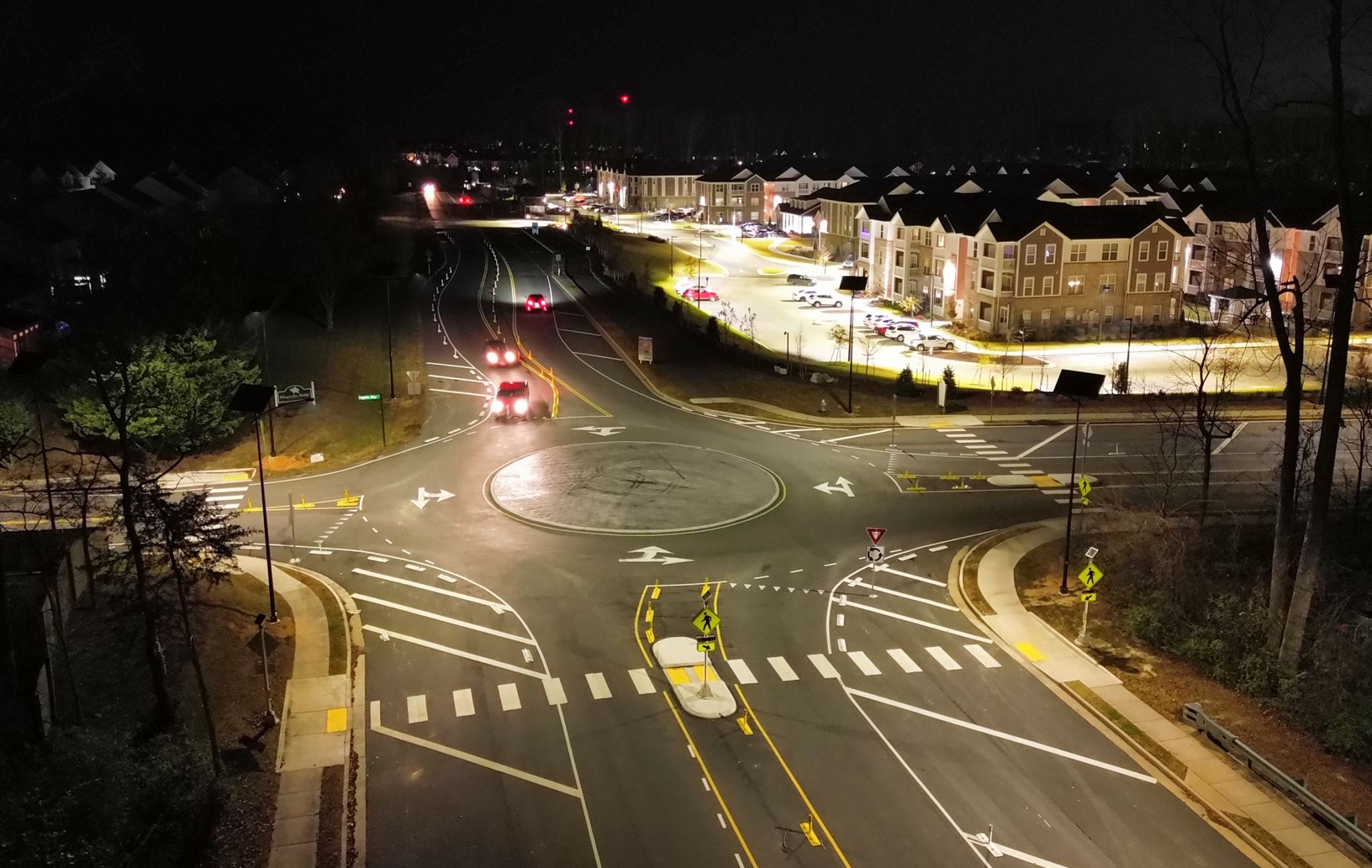
Off-grid solar lighting removes the most common obstacles that stall lighting projects in Virginia’s historic districts. Instead of working around trenching restrictions, utility conflicts, and extended approvals, cities can deploy reliable lighting with minimal site impact.
No trenching, wiring, or utility coordination
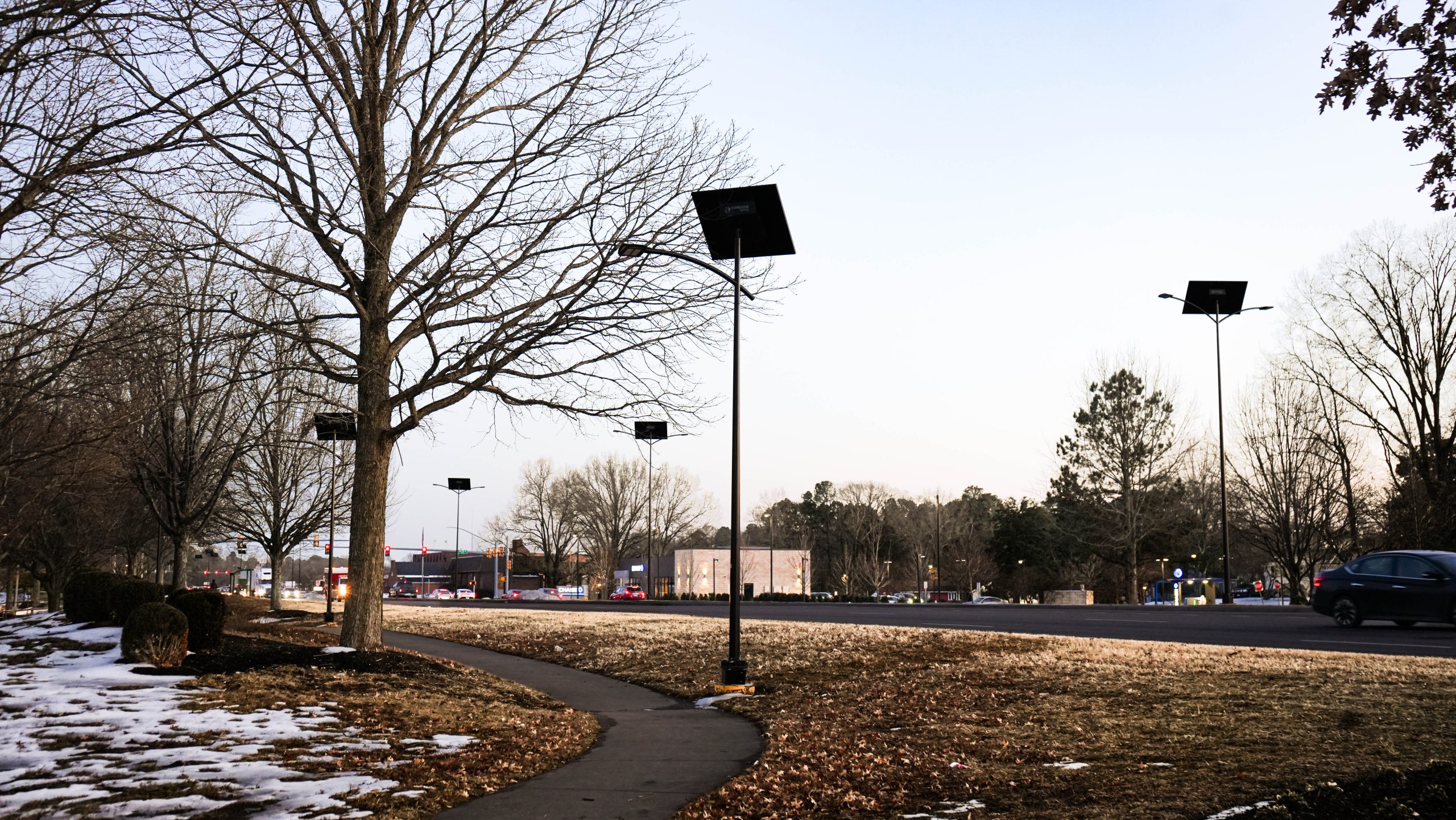
- Fonroche’s off-grid solar street lighting operates independently of the electrical grid. With no underground cabling required, cities avoid excavation, utility conflicts, and coordination with providers like Dominion, dramatically simplifying project planning.
Installs in under one hour, above ground
- Each solar pole is installed surface-mounted, typically in less than an hour. This rapid installation minimizes disruption to sidewalks, brick streets, and pedestrian corridors while allowing projects to move forward quickly.
Compliant pole design options for historic settings
- Fonroche offers pole and fixture designs that align with historic and architectural guidelines. Communities can meet preservation requirements without sacrificing modern lighting performance or safety.
Enables fast, phased deployment with no disruption
- Because solar lighting requires no trenching or grid access, cities can deploy systems in phases, lighting one block, pathway, or corridor at a time without shutting down streets or public spaces.
By eliminating the physical and regulatory hurdles associated with traditional lighting, trench-free solar lighting offers Virginia communities a practical way to modernise infrastructure while preserving the character that makes their historic districts unique.
What a Trench-Free Lighting Upgrade Looks Like in a Historic Virginia Downtown
Rather than starting with construction crews and excavation plans, a trench-free solar lighting project in a historic Virginia downtown begins with preservation in mind. City planners evaluate where lighting is needed, along pedestrian corridors, intersections, or public gathering spaces, without worrying about underground conflicts or street cuts.
Because off-grid solar lighting requires no wiring or trenching, projects move forward without disturbing brick sidewalks, cobblestone streets, or protected landscaping. Installations are planned above ground, allowing lighting upgrades to happen without closing streets, rerouting foot traffic, or disrupting local businesses.
Most importantly, communities maintain control. Lighting levels, pole styles, and placement are selected to align with historic guidelines while still improving visibility and public safety. The result is a modern lighting upgrade that blends into the streetscape, enhancing safety and walkability without altering the character that makes Virginia’s historic downtowns unique.
Reliable Lighting in Shaded, Storm-Prone Zones
One of the most common concerns in Virginia’s historic districts is whether solar lighting can be installed. It may be hard in narrow streets, tree-lined corridors, and areas with little direct sunlight. Between mature tree canopies, closely spaced buildings, and frequent cloud cover, traditional assumptions about solar simply don’t hold up.
Fonroche’s solar street lighting systems are engineered specifically for these conditions. Our proprietary Power 365™ energy management system captures, stores, and manages energy with smart controls. It delivers 365 nights of reliable illumination, even during long periods of rain and overcast weather in Virginia. Designed to withstand coastal storms, high winds, and seasonal weather swings, Fonroche lighting continues to operate when grid-tied systems fail. For Virginia communities, that means reliable off-grid lighting that works every day. It performs well on shaded historic streets, pedestrian corridors, and storm-prone areas. It does not reduce safety or visibility.
Less Red Tape, Faster Timelines
Off-grid solar lighting removes many of the approval hurdles that slow traditional streetlight projects in Virginia. With no trenching or grid connection required, cities can bypass Dominion coordination, electrical permits, and underground inspections.
Because installation is non-invasive, projects often require fewer reviews from historic preservation agencies. Combined with cooperative purchasing options like Sourcewell, communities can move from approval to installation in weeks, not months, while staying fully compliant.
Bring Light to Your City’s Legacy, Without Disruption
Historic Virginia communities don’t have to choose between preservation and progress. With off-grid solar lighting, cities can improve safety and visibility without trenching, wiring, or compromising historic character.
Fonroche Lighting America helps municipalities move faster, stay compliant, and deliver reliable lighting that works every night, quietly and independently. Ready to modernize your historic community without disrupting its character? Contact Fonroche Lighting America today to discuss your Virginia project or request a customized solar lighting consultation.