

Municipal Lighting in Virginia: Cutting Costs, Not Corners
Across Virginia, municipalities are under growing pressure to modernize street lighting while managing rising energy costs, ageing infrastructure, and increasingly tight budgets. Traditional grid-tied lighting systems bring ongoing utility fees, maintenance demands, and costly upgrades that strain public works and finance departments year after year.
At the same time, cities can’t afford to compromise on public safety, reliability, or compliance. Roads, parks, downtown corridors, and public facilities all require consistent lighting, especially during outages, storms, and emergencies.
Modern off-grid solar lighting offers Virginia municipalities a smarter path forward. By eliminating utility dependence and reducing long-term operating costs, solar lighting allows cities to cut expenses without cutting corners, delivering reliable performance, predictable budgets, and safer public spaces.
vir
The Rising Cost of Municipal Street Lighting in Virginia
For many Virginia cities and towns, street lighting represents a growing and often underestimated expense. While each fixture may seem easy to manage, the overall cost keeps going up each year. Powering grid-tied lighting costs more. Maintaining it costs more. Upgrading it costs more.
Ongoing utility fees and energy rate increases
- Municipalities pay recurring electricity charges for every grid-connected light, leaving budgets exposed to rate hikes and long-term utility dependency.
Maintenance costs for ageing grid-tied systems
- Older infrastructure requires frequent repairs, lamp replacements, and service calls, driving labour and operational costs for public works departments.
Budget pressure on public works and finance departments
- Rising lighting expenses compete with other essential services, forcing difficult trade-offs and limiting the capital available for modernisation.
Long-term lifecycle costs often overlooked
- Trenching, electrical upgrades, outages, and ongoing maintenance can make traditional lighting far more expensive over its lifespan than initial budgets anticipate.
As municipalities seek to control spending without compromising safety or performance, understanding the true cost of traditional lighting is the first step toward smarter infrastructure decisions.
Why “Cheaper” Lighting Solutions Often Cost More Long-Term
When budgets are tight, it’s tempting to choose the lowest upfront lighting option. But for many Virginia municipalities, those “cheaper” solutions often lead to higher costs and greater risk over time.
Short-term savings vs. long-term operational costs
- Low initial pricing rarely accounts for energy consumption, maintenance, and replacement costs that accumulate year after year.
Maintenance-heavy fixtures and utility dependence
- Grid-tied systems and lower-quality fixtures require ongoing servicing, lamp replacements, and utility coordination, adding recurring labor and operational expenses.
Hidden costs: trenching, repairs, outages, and replacements
- Electrical trenching, infrastructure repairs, and storm-related outages introduce costs that are often excluded from initial estimates but significantly impact lifecycle budgets.
Risk of cutting corners on reliability and safety
- Choosing lower-cost systems can compromise performance during outages or emergencies, creating safety concerns and increasing liability for municipalities.
For Virginia cities, true cost savings come from solutions that reduce long-term expenses while maintaining reliability, safety, and compliance, not from cutting corners at installation.
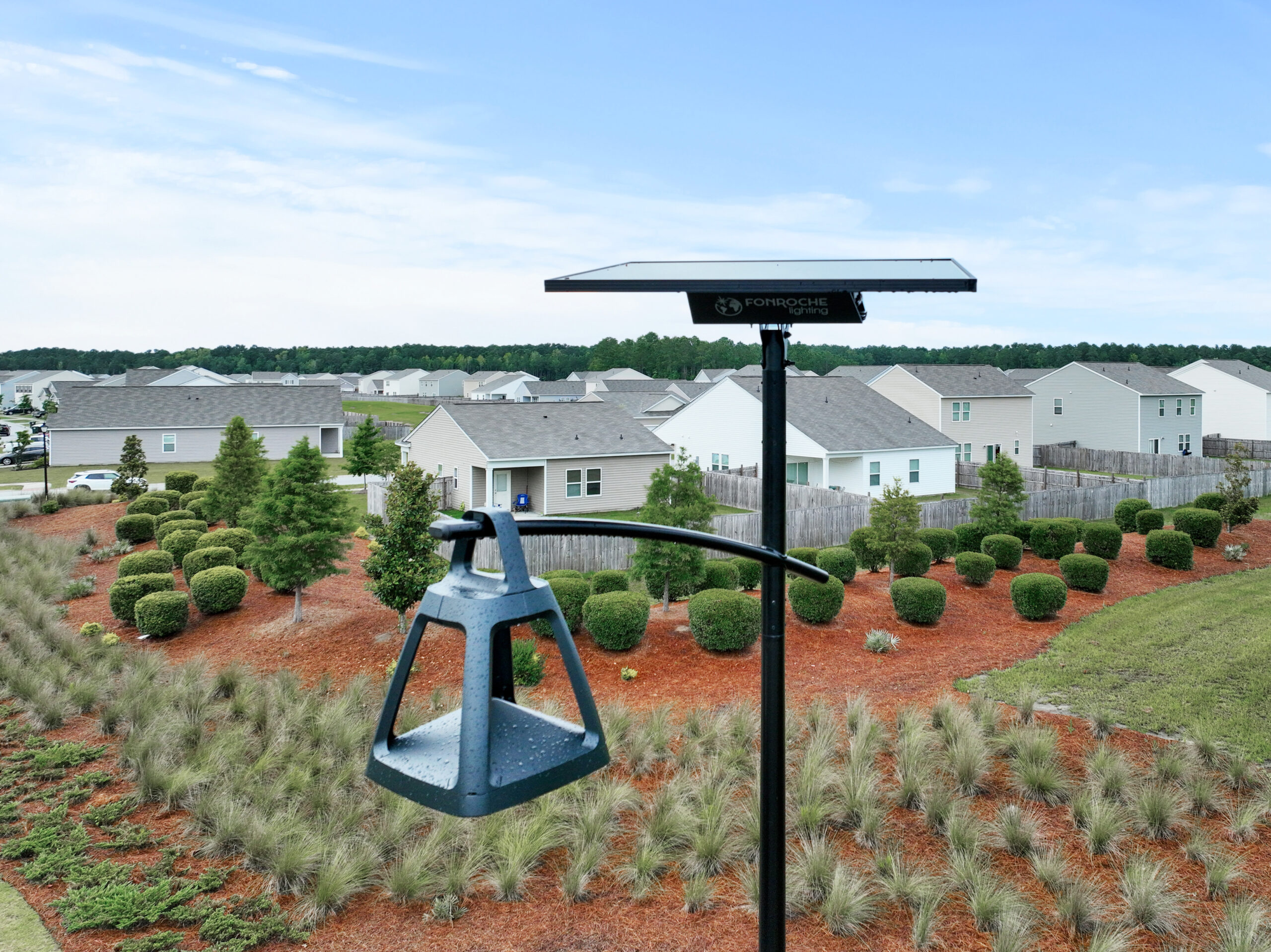
How Smart Solar Lighting Reduces Municipal Costs Without Compromise
Smart solar lighting allows Virginia municipalities to reduce long-term lighting costs without giving up performance or safety. By operating independently of the electrical grid, cities eliminate monthly utility bills, avoid costly trenching and underground electrical work, and significantly reduce ongoing maintenance and labor requirements. With fewer moving parts and no exposure to energy rate increases, solar lighting provides a predictable, long-term cost structure that supports better budgeting and infrastructure planning, making it a practical solution for cost-conscious municipal programs.
Key cost-saving advantages include:
- No recurring electricity or utility fees
- Minimal maintenance over the system’s lifespan
- No trenching, conduit, or electrical inspections
- Stable, predictable lifecycle costs
Where Virginia Cities Save the Most with Off-Grid Lighting
For Virginia municipalities, the financial impact of off-grid solar lighting goes beyond energy savings alone. By removing reliance on traditional utility infrastructure, cities reduce costs across multiple areas of installation, operation, and emergency response, creating measurable savings over the full lifecycle of a lighting system.
Key areas where cities see the greatest savings include:
- Energy and utility fees by eliminating recurring electricity charges and exposure to rate increases
- Installation and trenching costs through above-ground, trench-free deployment
- Maintenance and labor with sealed, autonomous systems that require fewer service calls
- Outage-related costs and emergency response by maintaining lighting during storms and power failures, reducing safety risks and response strain
These combined savings make grid lighting a strategic investment, not just a cost-cutting measure, for Virginia cities planning long-term infrastructure improvements.
Reliable Performance for Public Safety and Compliance
Municipal lighting plays a direct role in public safety, especially during storms, outages, and emergencies. Off-grid solar lighting provides consistent, dependable illumination when grid-tied systems fail, helping cities maintain visibility across roads, parks, and public spaces when it matters most.
Because solar lighting operates independently of the electrical grid, it continues functioning during power outages and severe weather events. Systems can also be specified to meet municipal requirements and applicable DOT standards, ensuring performance, spacing, and light levels align with safety and regulatory expectations.
For Virginia cities, this means reliable public lighting without added grid dependency, supporting safety, compliance, and operational continuity across all types of municipal environments.
Faster Deployment for Municipal Projects
Municipal lighting projects often slow down due to utility coordination, trenching schedules, and traffic management. Off-grid solar lighting removes many of these obstacles, allowing cities to move from approval to installation much faster.
By avoiding utility coordination and underground electrical work, installation timelines are significantly reduced. Projects can be deployed in phases across neighborhoods or corridors, minimizing disruption to residents, businesses, and traffic while keeping projects on schedule. For Virginia municipalities, faster deployment means safer streets sooner, without prolonged construction or community disruption.
Smarter Municipal Lighting Starts with Better Infrastructure Choices
Virginia municipalities don’t need to sacrifice safety or performance to control costs. Off-grid solar lighting offers a reliable, long-term infrastructure solution that reduces operating expenses, improves resilience, and supports public safety—without added grid dependency.
By choosing smarter lighting systems today, cities can build more predictable budgets, faster project timelines, and safer public spaces for years to come. Ready to reduce costs while improving public safety? Contact Fonroche Lighting America today to learn how autonomous solar lighting can support your next Virginia infrastructure project.