
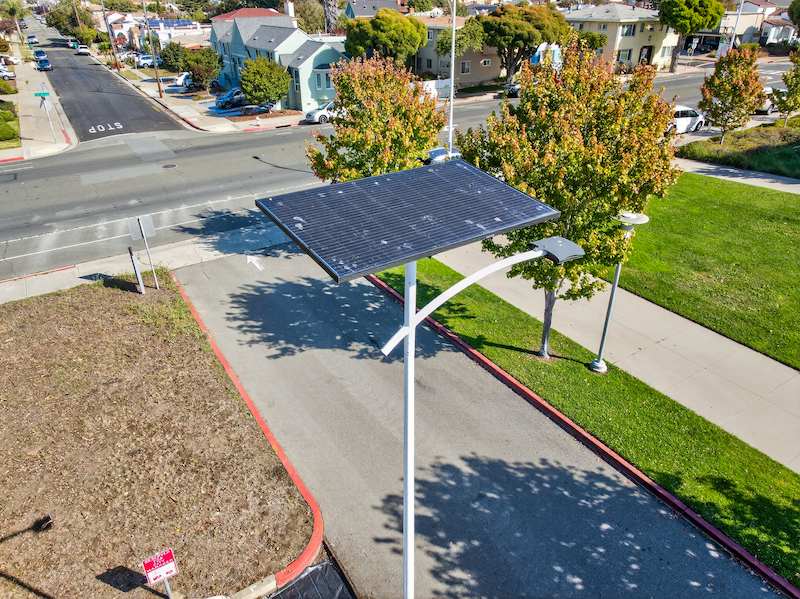
Georgia is growing faster than ever, with new mixed-use developments, logistics hubs, industrial corridors, and residential communities expanding from Atlanta to Savannah. As cities’ scale and new projects break ground, developers and suppliers are facing increasing pressure to deliver lighting solutions that are fast to deploy, cost-efficient, and resilient to the state’s demanding conditions. Traditional grid-tied lighting often slows projects down with utility delays, trenching requirements, and long permitting timelines, challenges that don’t align with Georgia’s rapid development pace.
Scalable, off-grid solar lighting is changing. By removing dependency on the utility grid, developers can install high-performance lighting earlier in the build process, reduce infrastructure costs, and keep projects moving without waiting on electrical hookups. For suppliers and municipal partners, solar provides a flexible, future-ready alternative that supports Georgia’s growth while aligning with long-term sustainability goals.
Why Georgia Developers Need Scalable Lighting Solutions
Georgia’s rapid expansion has created new growth corridors across metro Atlanta, Savannah, Augusta, Columbus, and the entire I-75 and I-16 development belts. As mixed-use districts, industrial parks, and new residential communities come online, developers are under pressure to deliver lighting quickly and meet rising infrastructure expectations. Many projects can’t wait months for utility coordination, transformer availability, or grid expansion, especially in fast-moving markets where schedule delays directly impact revenue and occupancy timelines.
Scalable solar lighting gives developers a way to bypass these constraints entirely. With no trenching, wiring, or utility approvals required, lighting can be deployed early in the construction cycle to improve site safety, accelerate inspections, and keep buildouts on schedule. As Georgia cities continue to grow outward, projects need flexible, grid-independent lighting that can scale with demand and adapt to evolving site plans, without adding pressure to the state’s already strained electrical infrastructure.
Challenges Developers Face with Traditional Grid-Tied Lighting
For developers working in Georgia’s fastest-growing corridors, traditional grid-tied lighting often becomes a major roadblock. What should be a straightforward step turns into weeks, or months, of delays, unexpected costs, and scheduling conflicts that slow down projects and frustrate teams.
Here’s why grid-tied lighting keeps holding Georgia developers back:
- Lengthy permitting and utility coordination
Developers often wait on approvals from overwhelmed utility providers, stalling progress even when the rest of the site is ready to move forward.
- High trenching and cabling costs
Excavation, conduit installation, and wiring add significant expenses, especially for large sites, new roads, or uneven terrain.
- Unpredictable grid availability
In fast-growing areas, electrical infrastructure may not exist yet, forcing developers to pay for costly extensions or wait for the utility to catch up.
- Long lead times for transformers and power hookups
Supply chain delays, backlogged orders, and energisation scheduling can hold up project completion and inspection sign-offs.
- Construction disruption and safety risks
Open trenches, heavy equipment, and live wiring complicate job sites and add unnecessary hazards for workers and subcontractors.
This combination of cost, delay, and unpredictability makes traditional lighting one of the least developer-friendly parts of Georgia’s construction process, and one of the easiest to replace with scalable off-grid solar solutions.
How Solar Partnerships Speed Up Georgia Development Timelines
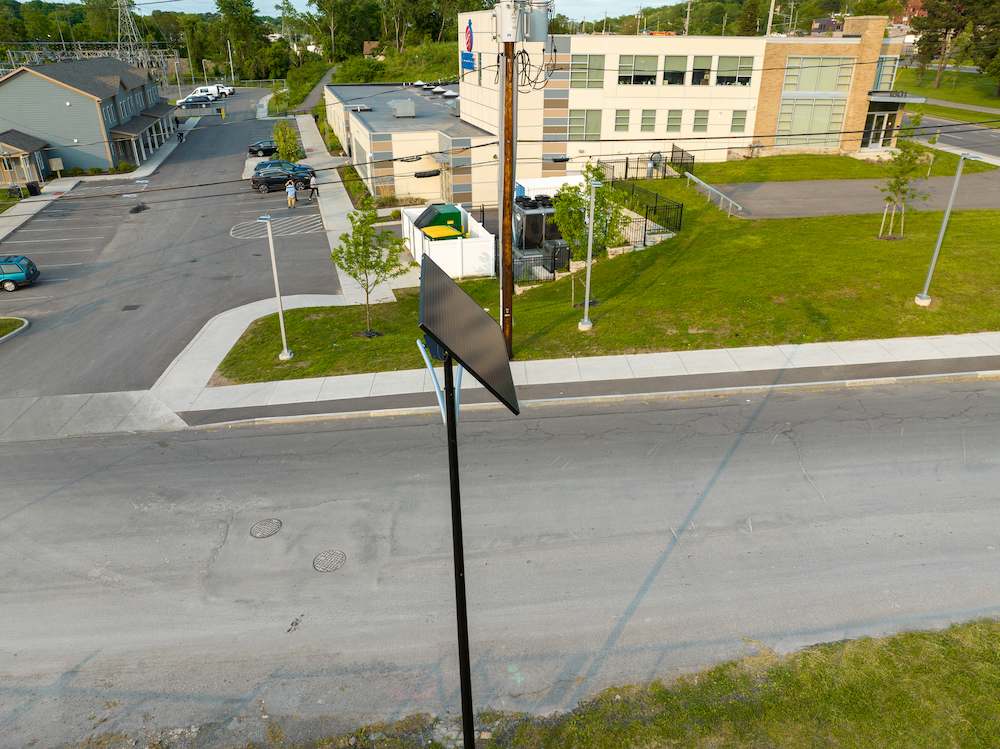
Strategic partnerships between developers and solar lighting suppliers are becoming essential in Georgia’s fast-moving construction environment. By collaborating early in the planning process, developers gain immediate access to photometric studies, site-specific recommendations, and lighting designs that don’t rely on utility infrastructure. This removes some of the biggest delays in traditional projects, including transformer shortages, long utility permitting cycles, and slow grid energization timelines. Because solar lighting installs quickly and operates independently from the grid, developers can add lighting at virtually any stage of construction, keeping schedules flexible and predictable.
These partnerships also reduce overall project costs. With no trenching, wiring, or conduit installation required, contractors avoid the labour-intensive steps that typically slow down roadway, commercial, and mixed-use development. Solar suppliers deliver ready-to-install systems, streamline coordination with general contractors, and minimize change orders that usually arise from electrical constraints. The result is a smoother buildout, faster site readiness, and the ability to bring projects online without waiting on utilities, a major advantage for Georgia’s rapidly expanding cities and counties.
Scalable Solar Lighting for Municipal & Private Projects
Georgia’s rapid growth has created demand for lighting solutions that can adapt to different project types without the complexity of traditional grid infrastructure. Scalable solar lighting offers developers, municipalities, and contractors the flexibility to deploy high-performance illumination across a wide range of environments, from dense urban districts to expanding suburban corridors. Because the systems operate independently from the grid, they can be installed early in the construction timeline, adjusted as site plans evolve, and expanded as new phases come online.
This flexibility makes solar an ideal fit for many of Georgia’s most active development categories. Mixed-use communities benefit from quick installation and consistent lighting before utilities are available. Roadway and highway expansions avoid trenching and utility delays, helping transportation projects stay on schedule. Parks, greenways, and multi-use trails gain safe, low-impact lighting without disturbing natural areas. Industrial and logistics corridors, especially around Savannah’s ports and the Atlanta metro, can illuminate work zones without tapping into strained electrical infrastructure. And new subdivisions and HOAs can add reliable, long-term lighting without maintenance-heavy electrical systems. In every application, scalable solar helps Georgia build smarter, faster, and more efficiently. For smaller Georgia counties, churches, and faith-based campuses, off-grid solar street lighting for small communities and ministries can deliver the same scalable benefits without heavy infrastructure costs.
Benefits for Suppliers, Contractors & City Stakeholders
Scalable solar lighting gives every project partner, from suppliers and contractors to city planners and DOT teams, a faster, simpler, and more predictable way to deliver lighting across Georgia’s expanding infrastructure.
Key benefits include:
Reduced labor requirements
- No trenching, wiring, or electrical crews needed, cutting installation hours and simplifying site coordination.
Faster, easier installations
- Most units are installed in under an hour, helping teams stay ahead of tight development schedules.
Predictable project timelines
- No waiting for utilities, transformer availability, or grid extensions; lighting can be installed at any time.
Universal compatibility
- Works for roadways, parks, trails, industrial sites, subdivisions, HOAs, and mixed-use developments without design restrictions.
Lower long-term maintenance for cities
- No underground cabling or electrical components that fail during storms or require costly repairs.
This bullet format makes the benefits immediately clear and keeps readers engaged.
Real Opportunities in Georgia’s Fast-Growing Cities
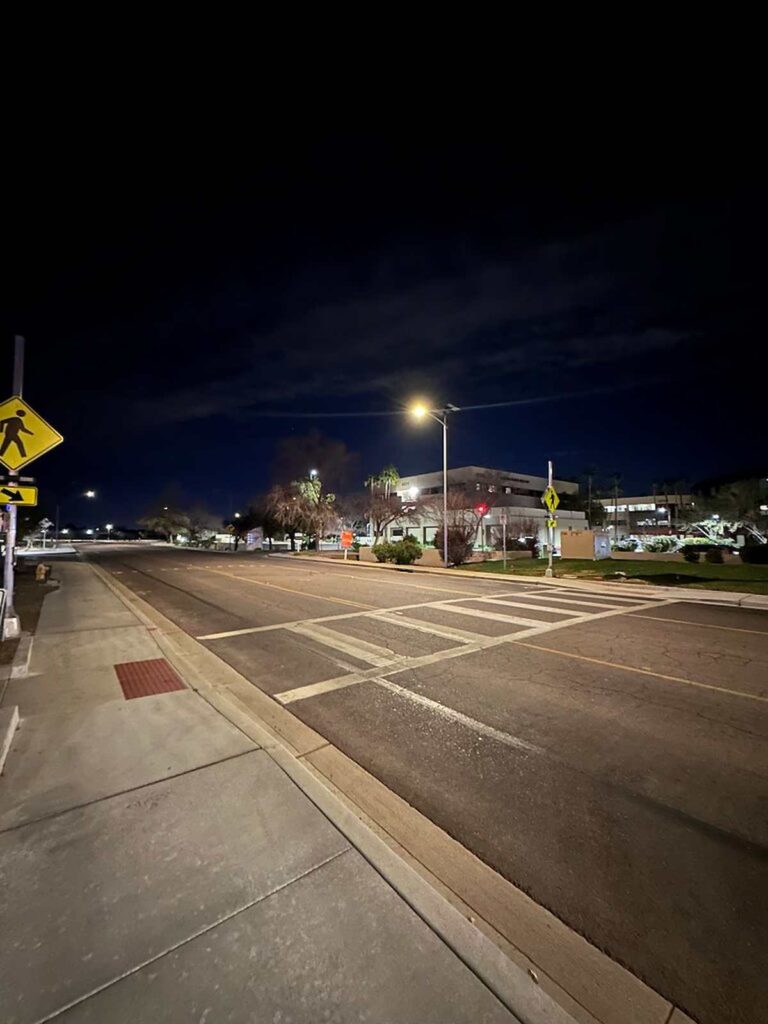
Across Georgia, rapid population growth and major infrastructure investments are creating prime opportunities for scalable solar lighting. In the Atlanta metro, continuous expansion of mixed-use districts, logistics hubs, and new residential communities has outpaced available electrical infrastructure, making grid lighting a practical solution for keeping development timelines on track. Savannah’s booming port activity, paired with coastal environmental challenges, makes solar an ideal fit for road improvements, industrial corridors, and waterfront projects where trenching and grid extensions are costly or impractical.
Other fast-growing cities such as Augusta, Columbus, and Macon are also seeing increased demand for flexible lighting solutions. Road widening projects, new subdivisions, downtown revitalization, and industrial park expansions all benefit from lighting that installs quickly and operates independently from the grid. As these cities continue to attract new residents and businesses, scalable solar lighting gives developers, municipalities, and suppliers a future-ready approach to supporting growth without adding strain to Georgia’s electrical infrastructure. For projects in coastal or storm-prone corridors, explore how storm-ready off-grid solar street lighting in Georgia keeps critical routes lit when the grid fails.
Frequently Asked Questions About Scalable Solar Lighting in Georgia
1. How scalable is solar lighting for multi-phase development projects?
Solar lighting can be deployed in phases without relying on grid expansion. Developers can install lighting early for site safety and continue adding units as each phase progresses, making it ideal for mixed-use, residential, and industrial growth in Georgia.
2. Are solar lighting systems cost-effective for large municipal or private projects?
Yes. Because there’s no trenching, wiring, conduit, or transformer coordination, total project costs are significantly lower. This is especially beneficial for long corridors, parks, and subdivisions where grid-tied installation would be expensive and time-consuming.
3. Do solar lights meet Georgia’s municipal standards and DOT expectations?
Absolutely, Commercial-grade solar lighting meets photometric requirements, durability standards, and lighting codes for many Georgia cities and counties. Municipal acceptance is increasing rapidly as cities look for faster, more resilient infrastructure options.
4. Are solar lighting systems compatible with different project types?
Yes. Solar lighting works across roads, trails, parking areas, logistics hubs, HOAs, industrial parks, and new subdivisions. Because the systems are off-grid, they adapt easily to changing site plans or expansions.
5. What specifications do developers and suppliers need to consider before deployment?
Critical specs include required light levels, pole height, site layout, environmental conditions, and traffic or pedestrian use. Providers typically deliver photometric studies and system sizing to ensure the lighting meets Georgia’s climate and performance expectations.
Build Georgia Faster with Scalable Solar Lighting
Georgia’s cities are growing quickly, and development timelines can’t slow down for utility delays or grid limitations. Scalable solar lighting gives developers, suppliers, and municipalities a faster, more flexible way to illuminate projects across every stage of construction. If your team is planning new corridors, mixed-use districts, subdivisions, or municipal upgrades, now is the time to explore how off-grid lighting can accelerate your buildout.
Partner with Fonroche Lighting America to get a lighting assessment tailored to your Georgia project. Our team supports developers and city stakeholders with photometrics, system sizing, and deployment strategies that keep projects on schedule and keep communities moving forward.