
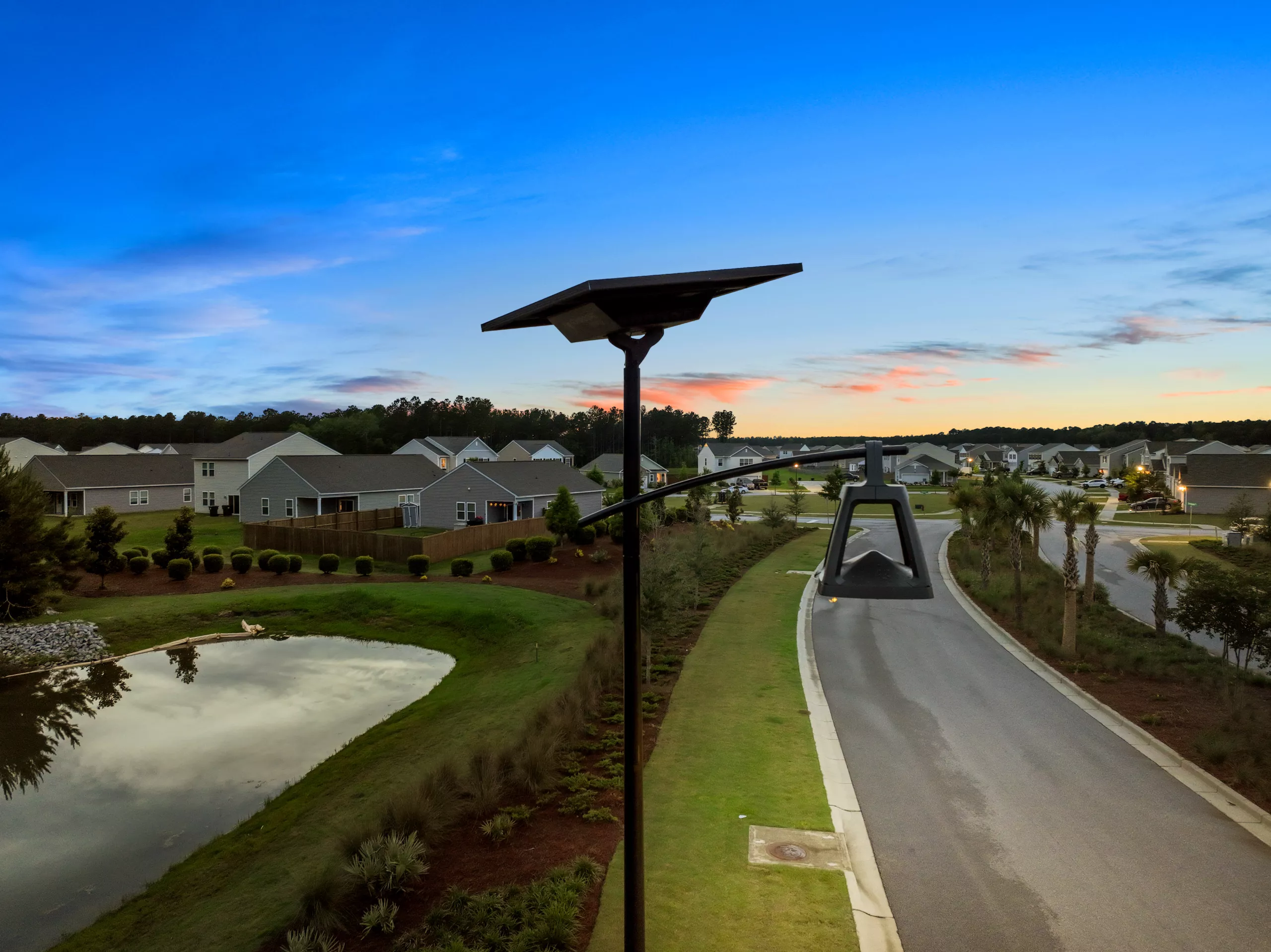
Power Outages and Storm Resilience: Solar Lighting in Rural Virginia
In rural Virginia, power outages are a familiar challenge. Seasonal storms, high winds, heavy rain, and ageing utility infrastructure regularly leave roads, intersections, and public spaces without light, sometimes for hours or even days. For counties and small communities spread across large geographic areas, restoration times are often longer, creating serious safety risks on unlit roads and delaying emergency response when visibility matters most.
Off-grid solar lighting for rural Virginia offers a resilient alternative. Unlike traditional grid-tied streetlights that fail when utility power goes down, solar street lighting operates independently, continuing to provide reliable illumination during outages, storms, and emergency events. With no reliance on the electrical grid, these systems are designed to keep communities lit when the grid can’t.
In this article, we’ll explore why rural Virginia is especially vulnerable to power disruptions, how off-grid solar street lighting improves storm resilience, and how counties and communities can maintain safe, reliable lighting even when the grid goes dark
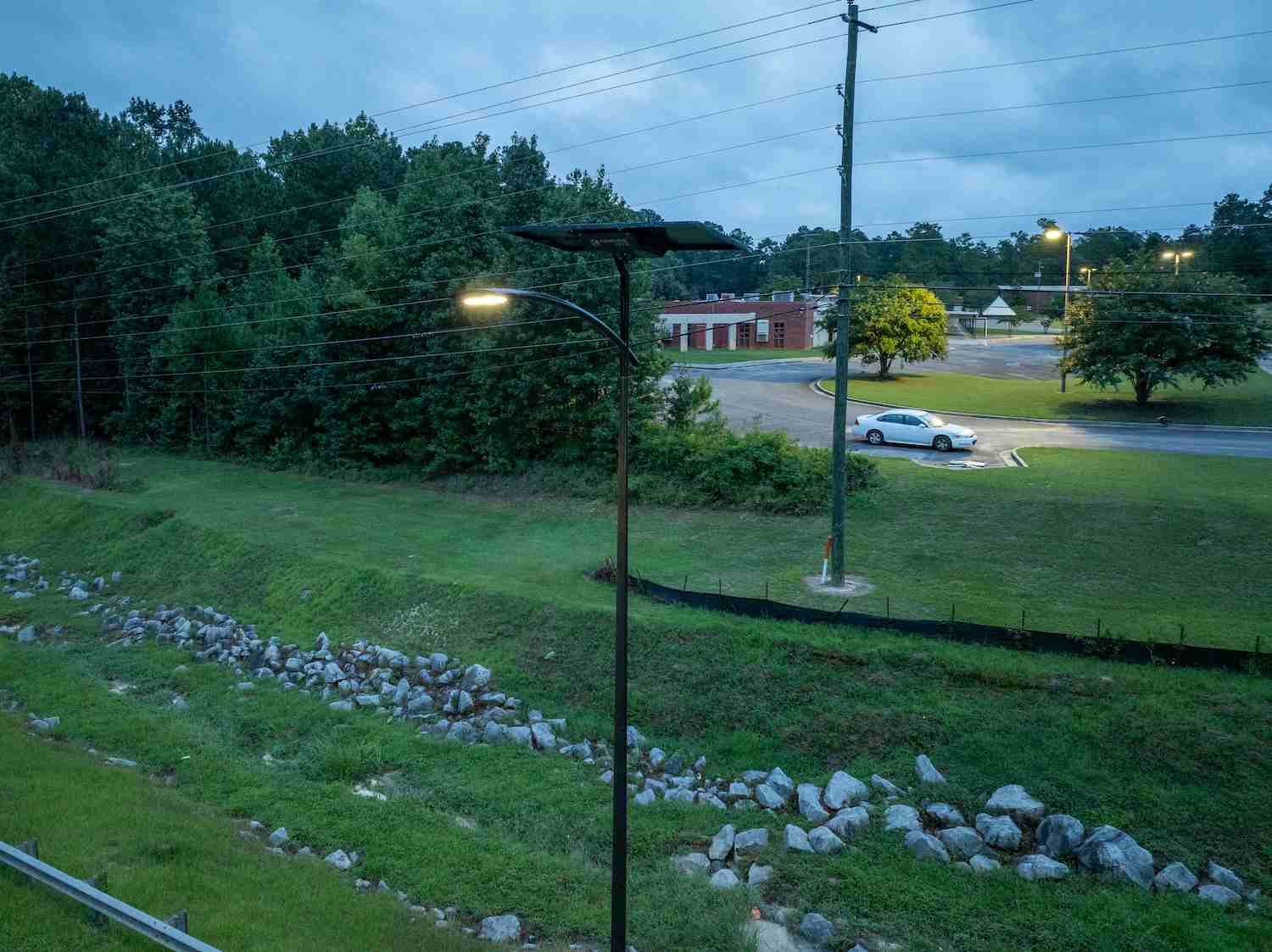
Why Power Outages Are Common in Rural Virginia
Power outages are not an occasional inconvenience in rural Virginia; they’re a recurring reality shaped by geography, weather, and infrastructure limitations. Communities outside major metro areas face a unique combination of risks that make reliable lighting harder to maintain during and after storm events.
Key challenges include:
Storm-related outages from wind, rain, hurricanes, and ice
- Remnants of coastal storms, heavy rainfall, winter ice, and high winds frequently damage overhead lines, knocking out power across wide rural areas.
Long restoration timelines due to remote locations
- With fewer customers spread over larger distances, rural communities are often a lower priority for utility restoration, leaving roads and intersections dark for extended periods.
Ageing and overstretched utility infrastructure
- Much of Virginia’s rural grid relies on older lines and equipment that are more vulnerable to failure during severe weather.
Limited grid redundancy outside metro areas
- Unlike urban centers, rural regions often lack backup feeds or alternate circuits, meaning a single failure can impact entire corridors.
Safety concerns on unlit rural roads and intersections
- When the lighting goes out, visibility drops immediately, raising the risk of accidents, slowing emergency response, and creating unsafe conditions for residents and first responders.
These conditions make rural Virginia especially vulnerable to lightning failures, highlighting the need for solutions that don’t depend on the grid to function.
How Off-Grid Solar Lighting Performs During Power Outages
Off-grid solar lighting is built to keep working when the utility grid fails, making it ideal for rural Virginia communities affected by frequent outages.
Because each system generates and stores its own energy, solar lights operate independently of utility power and do not rely on electrical restoration. Even during storms, disasters, or extended outages, lighting continues to function normally.
This grid-free reliability makes off-grid solar lighting well-suited for emergency routes, rural intersections, and public spaces where consistent illumination is critical for safety and response efforts.
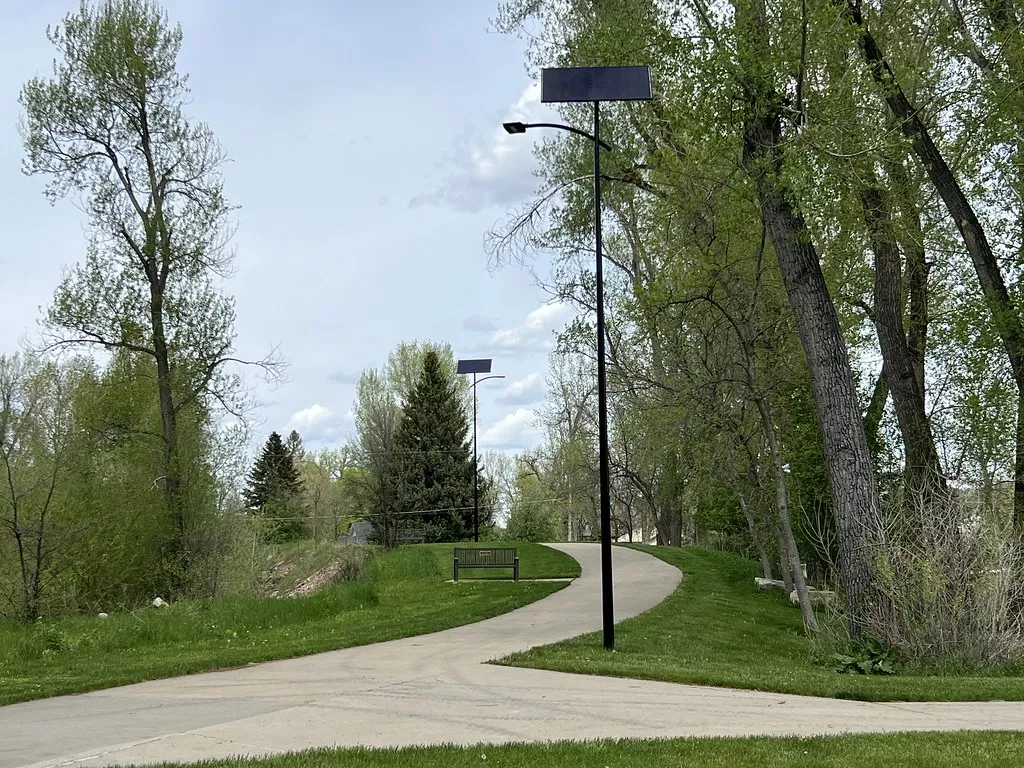
Built for Virginia’s Storms, Wind, and Rural Terrain
Rural Virginia lighting systems must withstand more than everyday conditions. From high winds and heavy rain to prolonged humidity and cloud cover, infrastructure needs to perform reliably across changing weather and wide-open terrain.
Fonroche’s off-grid solar lighting systems are wind-rated and fully weather-sealed, designed to operate through storms and seasonal extremes. They perform consistently along open roads, rural corridors, and remote sites where grid infrastructure is limited or unreliable.
With no trenching or grid extension required, these systems need minimal supporting infrastructure, making them well-suited for low-density areas where traditional lighting is difficult or costly to deploy.
Faster Deployment Where the Grid Can’t Reach
In many rural parts of Virginia, extending the electrical grid is costly, time-consuming, or simply not feasible. Off-grid solar lighting removes that barrier entirely.
With no trenching or grid extension required, solar lights can be installed quickly along county roads, rural intersections, and public facilities. Installation is rapid and minimally disruptive, allowing communities to deploy lighting where it’s needed most.
Because systems are modular and self-contained, rural projects can be scaled or phased over time, making off-grid solar lighting a practical solution for long corridors and dispersed communities. If you’re planning a rural lighting project in Virginia, contact Fonroche Lighting America to explore an off-grid solar solution designed for your site’s unique infrastructure and budget requirements.