
Across Alabama, residents are becoming more vocal about the need for safer, better-lit neighborhoods, not as a luxury, but as a basic expectation for community wellbeing. Families want clearer visibility when pulling into their driveways; seniors want safer evening walks, and local leaders are hearing repeated requests for lighting that actually works during outages. These everyday concerns are shaping a broader conversation about Alabama neighborhood safety, and why so many communities are pushing for solutions that improve visibility without placing more strain on ageing electrical infrastructure.
At the same time, neighborhoods across the state are dealing with inconsistent lighting, grid-related outages, and outdated fixtures that no longer meet modern safety needs. With community lighting needs in Alabama becoming more urgent, many residents are turning to long-lasting, sustainable lighting options that provide dependable illumination year-round. The shift reflects a growing desire for lighting systems that enhance safety, support community activity, and remain reliable even when the power grid doesn’t, a trend becoming increasingly important in neighborhoods of all sizes across the state.
What Alabama Residents Say They Want Most
Across neighborhoods in Alabama, residents consistently mention the same priorities when discussing community safety: brighter, more reliable lighting in areas where families gather, kids walk after school, and daily activity continues well into the evening. Parents want residential outdoor lighting that makes driveways, cul-de-sacs, and bus stops easier to see. Seniors want pathways illuminated enough to prevent falls. And communities as a whole want lighting that supports Alabama community safety without depending on systems that go dark every time a storm rolls through.
Many residents also express concern about low-visibility areas where poor lighting can contribute to petty crime, break-ins, or unsafe conditions for nighttime travel. In rural and suburban neighborhoods alike, people want lighting that stays on during outages, something traditional grid-tied fixtures often fail to do. These collective community expectations are shaping a stronger push toward modern, resilient solutions that provide consistent illumination and help neighborhoods feel safer and more connected after dark.
Why Residents Trust Solar as a Safer Option
A. Lighting That Stays on When the Grid Fails
Across Alabama, power outages are common during tornado season and severe thunderstorms, leaving many neighborhoods in complete darkness. Residents are increasingly turning to off-grid solar lights in Alabama because these systems continue operating even when the electrical grid goes down. That reliability reassures families that essential walkways, driveways, and shared community spaces will remain safely illuminated during emergencies.
Why it matters to residents:
- Tornado- and storm-related outages no longer plunge neighborhoods into darkness
- Solar lighting keeps visibility high when traditional systems fail
B. Lighting Where It’s Needed, Without Waiting on Utilities
One of the biggest advantages residents appreciate is how quickly solar lighting in Alabama can be installed. Older neighborhoods often can’t accommodate trenching or new wiring, and many communities don’t want lengthy utility delays. Solar-powered neighborhood lighting allows cities and HOAs to add illumination exactly where residents need it, without heavy construction or long permitting waits.
Community benefits:
- No trenching or disruptive electrical work
- Fast upgrades in parks, sidewalks, cul-de-sacs, and gathering areas
C. A Cleaner, Quieter Lighting Upgrade
Homeowners and community groups also value solar lighting to offer a modern, low-impact upgrade. Unlike traditional electrical projects, renewable lighting in Alabama installs without generators, noise, or major disturbances. Residents see it as a cleaner, more sustainable improvement to their neighborhood environment.
What residents like:
- Quiet, non-intrusive upgrades
- Eco-friendly systems that support long-term sustainability
D. Improved Safety and Peace of Mind
Better visibility is one of the most repeated reasons Alabama residents support solar lighting. When walkways, intersections, and shared spaces are consistently lit, people feel safer leaving their homes after dark. Solar streetlights in Alabama also help reduce nighttime blind spots, supporting community policing, and lowering the risk of accidents or crime. For many neighborhoods, this level of public safety lighting in Alabama has become a clear priority.
Safety advantages:
- Stronger visibility for families and drivers
- Fewer dark zones where crime tends to occur
Where Alabama Neighborhoods Are Already Seeing Solar Improvements
Across Alabama, solar lighting isn’t a “future idea”; it’s already showing up in everyday community spaces where residents feel the difference most. As neighborhoods look for safer, brighter environments without relying on unstable grid power, solar has become one of the easiest upgrades counties and HOAs can make.
1. Suburban & Rural Residential Streets
- From Huntsville suburbs to small towns in the Wiregrass region, neighborhood solar lighting is helping residents feel safer during evening walks, late-night arrivals, and early-morning commutes. Rural areas where grid access is limited are seeing some of the biggest gains.
2. Community Centers & Local Parks
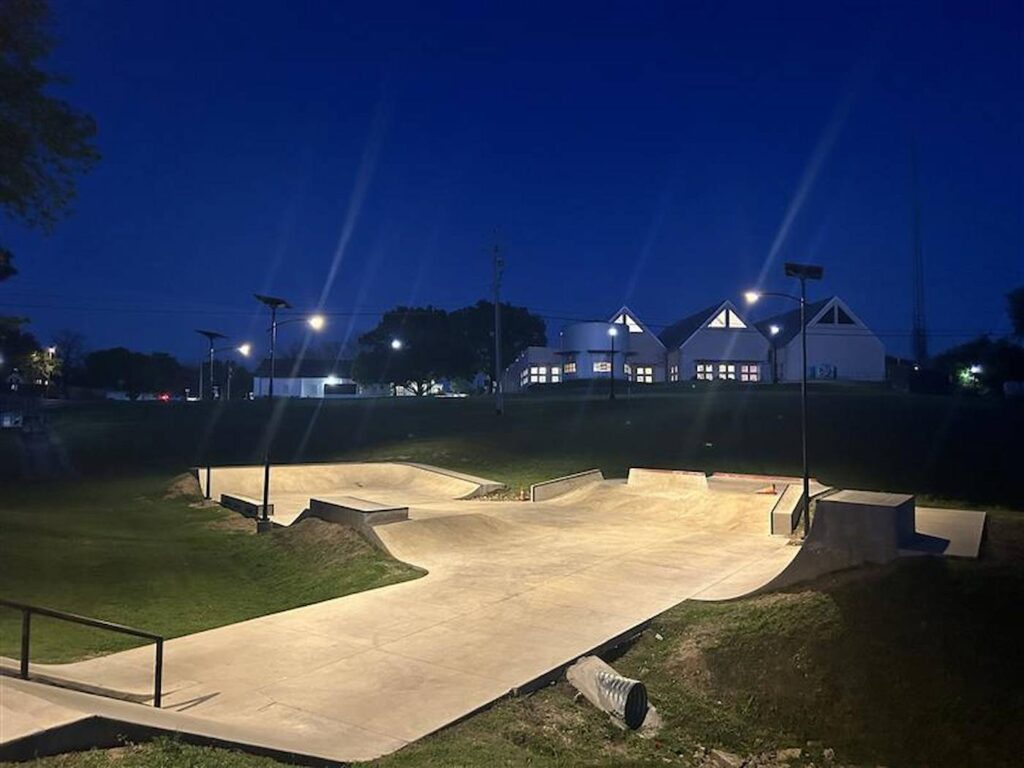
- Solar is now lighting up parks, ballfields, and community centers where families gather after dark. These improvements make it easier for children’s programs, outdoor events, and weekend activities to continue safely, even when storms cause grid outages.
3. School-Adjacent Walking Routes
- Parents across Alabama have pushed for better lighting near bus stops and school walking paths. Solar makes these upgrades possible without long construction timelines, giving students brighter, safer routes during early mornings and late afternoon extracurriculars.
4. Trails, Sidewalks & Recreation Paths
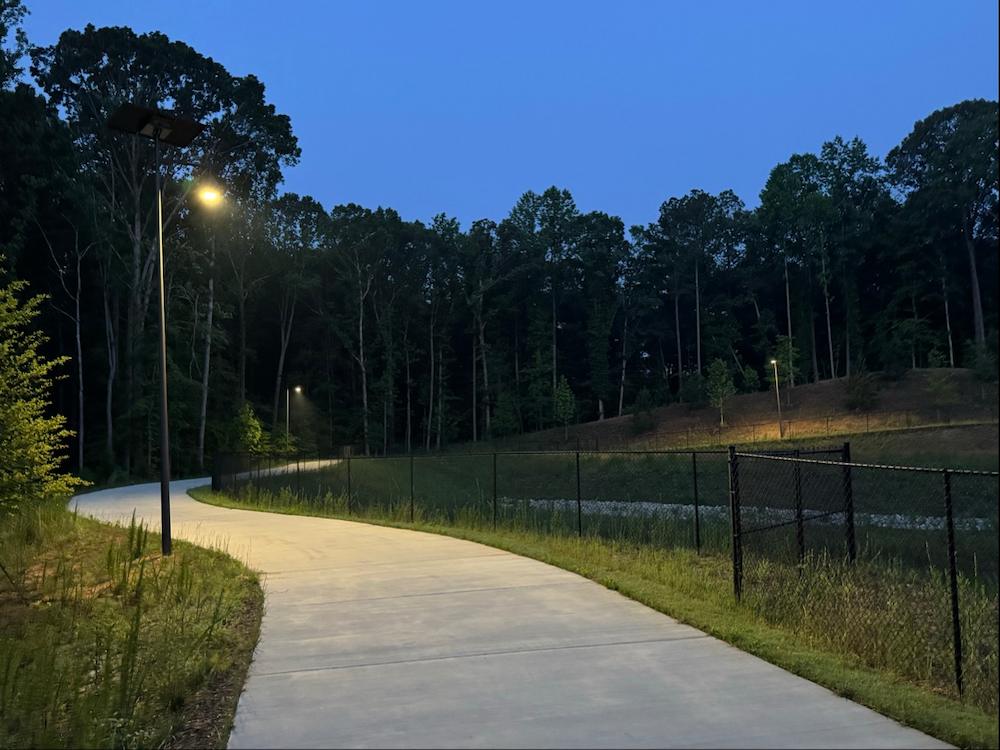
- Greenways in places like Hoover, Auburn, and Madison are turning to Alabama solar pathways to illuminate trails and sidewalks. These low-impact, off-grid lights make recreational areas safer for joggers, dog-walkers, and families enjoying evening strolls.
How Counties Use Resident Feedback to Prioritize Solar Projects
Across Alabama, county leaders are increasingly relying on community-led infrastructure planning to guide where new lighting upgrades are needed most. During town halls, safety forums, and local planning meetings, residents consistently voice the same concerns: dark streets, unlit walking paths, and neighborhoods that feel unsafe after sunset. Counties are using this feedback to identify high-priority zones where lighting improvements will have the greatest impact.
Public input also plays a major role in how counties pursue grants and funding. When residents highlight safety gaps, county officials can align those needs with federal, state, and community development programs that support county solar projects in Alabama. This ensures that the projects selected not only improve visibility and safety but also directly reflect what families, seniors, and neighborhood groups have asked for. Through this approach, solar lighting becomes part of a larger, resident-driven effort to build safer, more connected Alabama communities.
The Questions Residents Ask Most
Does solar lighting really stay on during Alabama storms?
Yes. Modern systems used in Alabama neighborhood lighting are designed for severe weather, including tornado seasons and heavy thunderstorms. Because the lights operate completely off grid, they stay on even when the power goes out.
Is the light bright enough for residential safety?
Absolutely, Today’s solar lighting in Alabama delivers strong, consistent illumination that meets safety expectations for neighborhoods, walkways, parks, and community spaces, often brighter and more reliable than older grid-tied fixtures.
What does maintenance look like?
Very minimal. Solar streetlights are built with sealed, long-lasting components. Aside from occasional panel cleaning in dusty areas, they run independently without wiring repairs or electrical servicing.
Will solar lights reduce dark spots and potential crime areas?
Yes. Residents often report fewer blind spots and better visibility around homes, sidewalks, and community areas. Consistent lighting helps support community policing and improves nighttime safety.
Can they be installed in older neighborhoods without digging?
Yes. Off-grid systems require no trenching or wiring, making them ideal for older Alabama neighborhoods where electrical upgrades are costly or disruptive. Installation is fast, clean, and community-friendly.
Communities Are Asking for Change and Solar Delivers
Alabama communities are calling for safer, brighter streets and solar delivers. With no reliance on the grid and proven durability through storms, Fonroche SmartLights provide the visibility, peace of mind, and long-term value residents expect.