
How Snowy Climates Shape Solar Lighting Performance
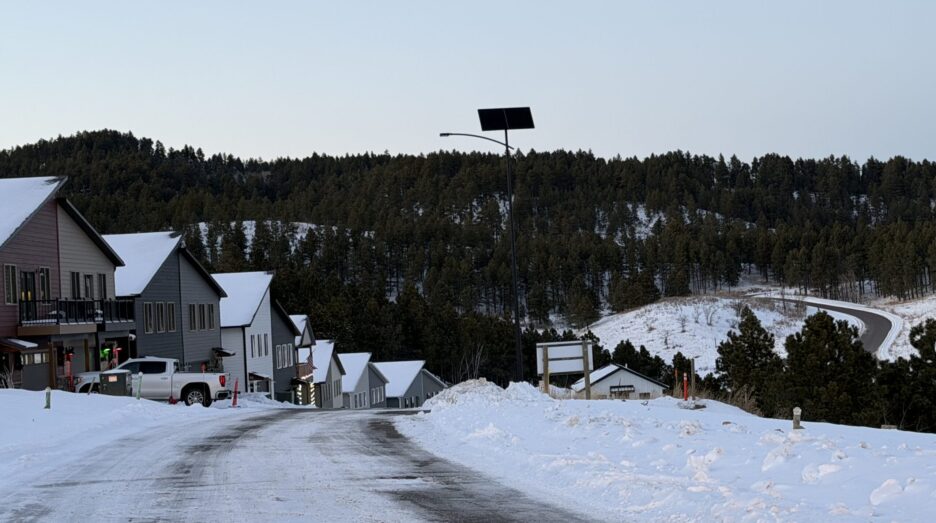
Snowy climates introduce several conditions that can influence how solar lighting systems operate. Heavy snowfall, shorter days, low winter sun angles, and freezing temperatures all change the amount of light available for energy collection. These factors often raise questions about how well solar lights function in snow and whether performance can be maintained throughout long winter seasons.
In snowy regions, solar lights may encounter:
- Snow buildup that can temporarily cover panels
- A shorter solar charging window during winter days
- Sunlight arriving at a lower angle than in summer
- Persistent cloud cover during storms or overcast periods
These are valid considerations, especially for communities that rely on dependable lighting for roads, public spaces and residential areas. The science behind winter performance shows that solar lighting can still operate effectively in these conditions when the system is designed for cold climates.
Fonroche Lighting addresses the challenges of snow and winter sunlight. By focusing on the factors that influence solar lighting performance in snowy environments, Fonroche ensures each installation can continue operating even when winter weather becomes severe.
Table of Contents
How Solar Panels Collect Energy in Winter Conditions
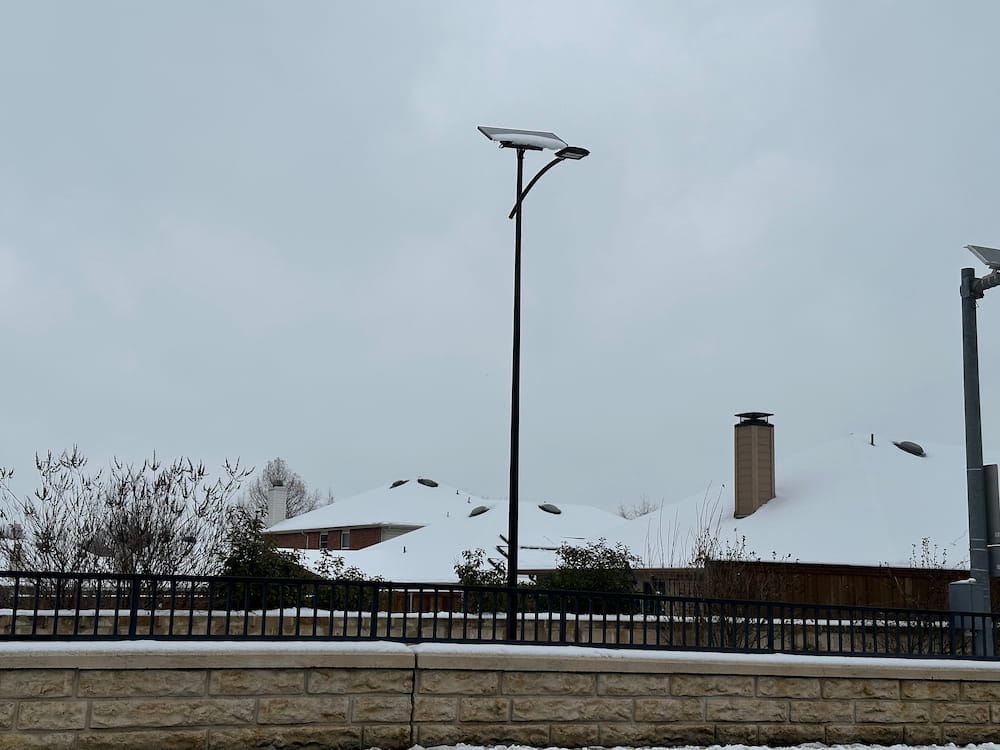
Even in snowy climates, solar panels continue to generate energy. The science behind winter solar performance is often misunderstood, but several factors help explain why solar lights can function effectively during cold seasons. In many cases, winter conditions can even support efficient operation when the system is designed correctly.
Solar panels in winter benefit from several natural effects:
- Cold temperatures help improve photovoltaic efficiency
- Snow reflects sunlight, increasing the amount of light that reaches the panels
- Diffused light from cloudy skies can still be converted into energy
- Panels angled for winter sun exposure collect more light during shorter days
Although winter days are shorter, the panels do not need direct summer sunlight to produce energy. Light reflected from snow and light diffused through clouds continue to support charging. These scientific principles allow solar panels to function through a variety of winter conditions, including overcast weather.
Fonroche Lighting systems are designed with winter solar performance in mind. Each installation considers local seasonal sunlight levels, helping the panels collect enough energy even when winter conditions limit the amount of available daylight.
Snow Shedding and Panel Design
A key part of solar lighting performance in snowy climates is how quickly panels can clear snow. Snow coverage can temporarily limit charging, but well-designed panels allow snow to slide off or melt naturally. The science behind this process plays an important role in keeping solar lights operating throughout the winter season.
Snow shedding is supported by several design features:
- Tilted panels encourage snow to slide down as it accumulates
- Smooth glass surfaces reduce the chance of snow sticking
- Absorbed sunlight warms the panel slightly, helping snow melt faster
- Proper orientation maximizes exposure to low winter sun angles
These features work together to help panels return to full charging more quickly after snowfall. Even light warming from low levels of sunlight can be enough to loosen snow and allow it to move off the surface.
Fonroche Lighting incorporates these principles into each system. Panel tilt and placement are selected based on local climate patterns, ensuring that snow shedding happens efficiently in regions with heavy or frequent snowfall. By pairing thoughtful design with an understanding of winter solar behavior, Fonroche systems maintain charging capability even in snowy environments.
Battery Chemistry and Energy Management in Snowy Climates
Reliable solar lighting in snowy regions depends heavily on how well the battery performs during cold weather. Many battery types lose capacity or become damaged when temperatures fall below freezing, which affects their ability to store and deliver energy during long winter nights. This makes battery chemistry one of the most important elements of winter solar technology.
Key factors that influence battery performance in snowy climates include:
- The ability to charge safely in freezing temperatures
- How much capacity is retained at low temperatures
- The efficiency of storing energy collected during short winter days
- How the system manages energy during long periods of low sunlight
Industrial NiMH batteries used by Fonroche Lighting are engineered for cold climates. They maintain performance at temperatures far below freezing and avoid the damage common in other chemistries when charging in cold environments. This ensures the system can continue storing energy even after several days of severe winter weather.
Energy management also plays a critical role. Smart controls help regulate power use during extended cloudy conditions, allowing the lights to stay illuminated through longer nights. By combining winter-ready battery chemistry with efficient energy distribution, Fonroche systems support steady operation throughout snowy seasons.
Conclusion
Snowy climates create conditions that test the reliability of outdoor lighting, but the science behind winter solar performance shows that well-designed systems can operate effectively throughout the season. From panel tilt and snow shedding to cold-ready battery chemistry and smart energy management, each part of the system plays a role in maintaining steady illumination even when weather conditions limit sunlight.
Fonroche Lighting applies these principles to create systems that support consistent performance in regions with long winters and frequent snowfall. By understanding how sunlight behaves in winter and designing technology that responds to those conditions, Fonroche provides solar lighting that remains dependable when communities need it most.
Connect with a Fonroche Team Member to explore winter-ready solar solutions that offer reliable performance and improve visibility throughout the coldest months.