
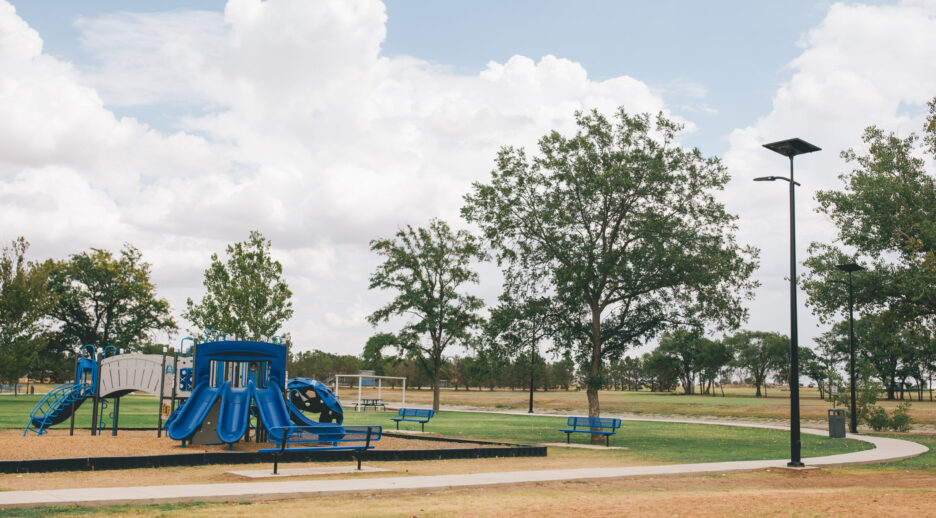
Lighting as a Tool for Safer Parks
Park safety is one of the most visible indicators of a city’s commitment to public well-being. When green spaces are well-lit, people use them. When they’re dark or poorly maintained, they’re often avoided—especially after sunset. This perception gap can impact everything from community trust to property values, active transportation, and youth programming.
While cameras and patrols play a role in park security, lighting remains one of the most effective and affordable tools for crime prevention and public reassurance. And for cities aiming to expand access without expanding utility infrastructure, solar lighting has become a powerful solution.
But how exactly does solar lighting improve safety? And what should municipalities consider when deploying it in parks, trails, or recreation areas?
Table of Contents
Why Lighting Matters for Park Safety
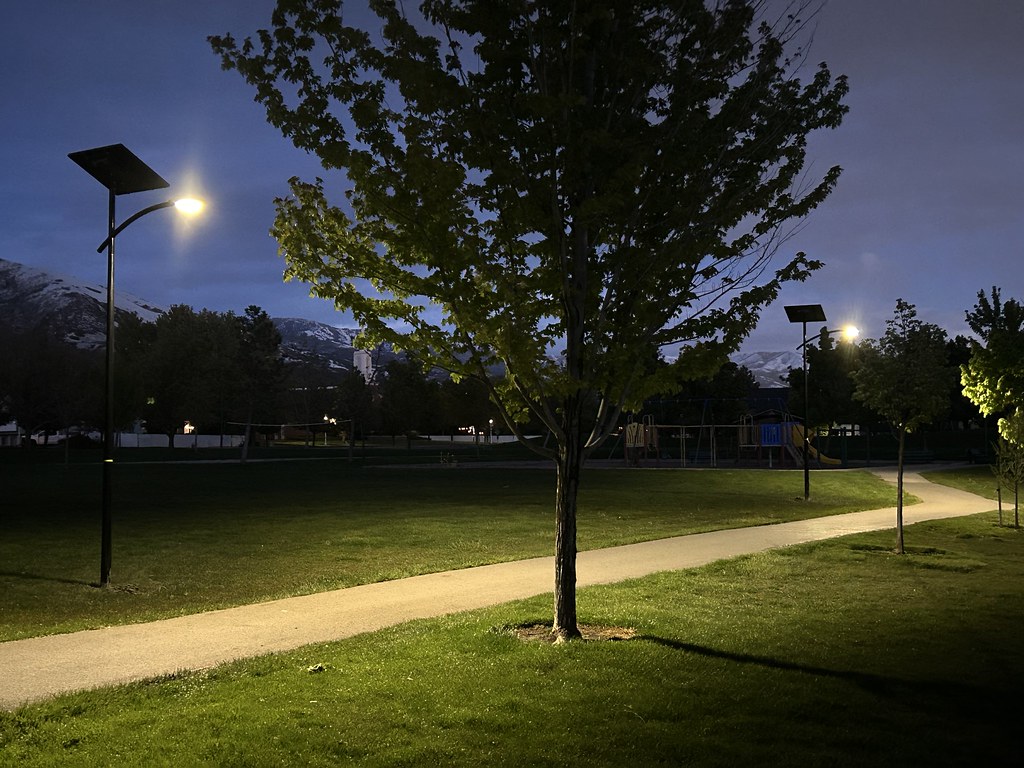
When residents avoid parks after dark, it’s often not because of crime—it’s because of the perception of risk. Poor or absent lighting sends a message that a space is unmonitored, under-prioritized, or unsafe. In contrast, well-lit parks signal care, visibility, and belonging—especially for communities that have historically lacked investment.
Lighting is one of the few safety measures that’s both preventative and inclusive:
- It deters unwanted activity by increasing visibility.
- It helps visitors feel more confident using the space—whether walking a dog, exercising, or commuting.
- It supports neighborhood oversight, allowing community members to safely watch over shared space.
Cities working to rebuild trust in public areas—especially through Vision Zero, youth engagement, or equitable access programs—recognize that lighting isn’t just about infrastructure. It’s about how people feel.
Fonroche systems are often used in exactly these contexts: trails that connect disconnected neighborhoods, small parks that see after-school activity, or community centers that serve as evening gathering spaces. By delivering reliable, off-grid illumination without disrupting natural areas or existing landscapes, they allow safety improvements to happen quickly and without heavy construction—a key factor when time and budgets are limited.
Designing Solar Lighting for Security and Visibility
Not all lighting improves safety. In fact, poorly placed or overly bright fixtures can create glare, deep shadows, or a false sense of security. When designing lighting for parks and trails, the goal isn’t just brightness—it’s clarity, comfort, and coverage.
Smart lighting design for public safety should consider:
- Pedestrian-scale illumination that focuses light where people walk, not where vehicles drive
- Warm, low-glare color temperatures that enhance visibility without disrupting wildlife or creating harsh contrast
- Even spacing and light levels to avoid dark patches where visibility drops off
- Strategic placement at trailheads, rest areas, signage, and path intersections
Because Fonroche solar lighting systems are self-contained and trench-free, they can be deployed exactly where visibility is needed—without waiting for utility connections or altering park topography. This allows cities to address safety concerns in stages or target specific high-use areas, rather than overhauling entire systems at once.
Each Fonroche system also includes a custom photometric layout as part of the planning process, helping cities meet illumination standards for walkways and reduce the risk of under- or over-lighting. This ensures that safety improvements align with both environmental and community goals.
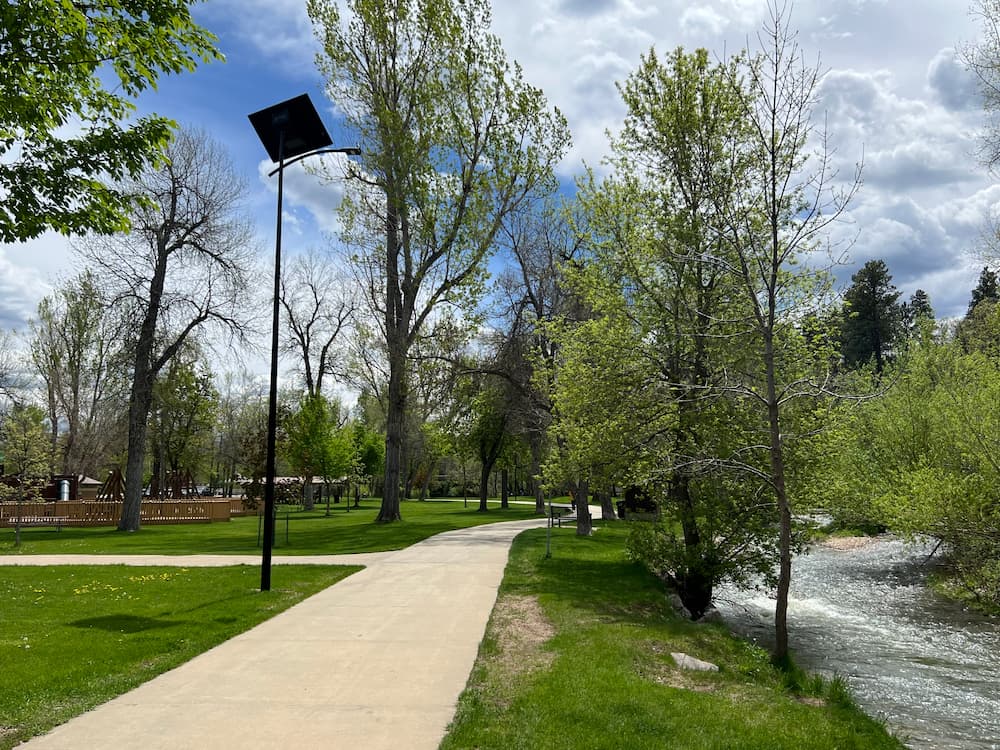
Safer Parks Start with Smarter Lighting
Lighting alone won’t solve every safety challenge in public spaces—but it can change how those spaces feel, function, and are used. When designed with intention, solar lighting improves visibility, reduces barriers to access, and supports the community’s sense of safety—without adding complexity or ongoing costs.
Fonroche systems are helping cities take that step—whether illuminating a connector trail, bringing light to an underserved neighborhood park, or making a central plaza feel more welcoming after sunset. By combining solar autonomy with lighting strategies rooted in equity and design, they give cities the flexibility to act quickly and responsibly.
If your city is exploring lighting as a tool for safer, more inclusive parks, Fonroche Lighting America can help assess your goals, model lighting layouts, and support public space planning—without the limitations of the grid.
