
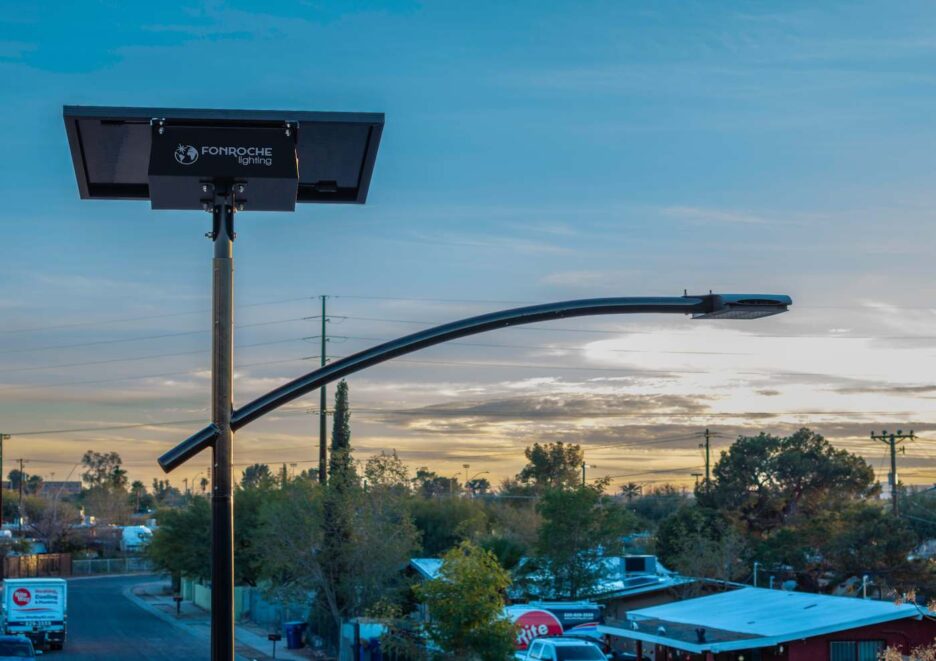
Alabama cities are putting a renewed focus on community safety, especially when it comes to visibility after dark. From busy urban centres to rapidly growing small towns, residents rely on consistent lighting to safely navigate streets, parks, school zones, and public walkways. But many communities still depend on outdated, grid-tied fixtures that struggle to keep up with modern safety needs. When lights flicker or fail, visibility drops, and risks rise.
Storm-related outages only make the challenge more urgent. Severe thunderstorms, high winds, and tornado activity frequently disrupt the electrical grid, leaving major corridors unlit when they’re needed most. As grid instability becomes more common, cities across the state are turning toward solar street lighting, Alabama solutions that operate fully off-grid. With the ability to deliver reliable public safety lighting during outages and severe weather, modern municipal street lighting powered by solar is emerging as a practical, resilient way for Alabama communities to protect residents and improve nighttime safety.
Why Alabama Leaders Are Turning to Solar Street Lighting
A. Reliability Off-Grid During Storms & Outages
Alabama’s cities face frequent tornadoes, severe thunderstorms, and hurricane remnants that regularly disrupt the electrical grid. Traditional lighting often fails during these events, creating visibility risks across key corridors. Off-grid solar systems eliminate this vulnerability because each off-grid solar-powered streetlight Alabama community installs works independently from the grid.
Benefits:
- Stays illuminated during grid failures
- Resilient in tornado- and hurricane-prone regions
- No dependency on transformers or overhead wiring
- Consistent performance from each solar streetlight and solar energy streetlight
B. No Trenching or Electrical Costs
Many Alabama municipalities, particularly older downtown areas and rural counties, struggle with the cost of expanding their electrical infrastructure. Solar-powered street lighting bypasses this issue entirely.
Benefits:
- No trenching or wiring required
- No transformer upgrades or utility coordination
- Lower upfront costs for municipalities
- Scalable solar street lighting solutions that reduce CapEx
Fast Deployment for High-Priority Safety Zones
When safety issues arise, cities can’t wait months for utility approvals. Solar provides near-immediate deployment where lighting is urgently needed.
Ideal locations for rapid deployment:
- Intersections
- School zones
- Parks, trails, and greenways
- Downtown corridors and pedestrian routes
Systems like solar pathway lighting and commercial solar streetlights install quickly and deliver immediate improvements in visibility.
Improved Crime Prevention & Traffic Safety
Consistent nighttime illumination is essential for reducing accidents and supporting community policing. Modern solar streetlights provide bright, uniform light without relying on fragile electrical systems.
Public-safety advantages:
- Fewer dark spots in high-risk areas
- Better visibility for drivers and pedestrians
- Enhances local policing efforts
- Long-term upgrades to municipal solar streetlights

Where Alabama Cities Are Using Solar Lighting
Alabama municipalities are deploying solar lighting across a wide range of environments, using it to strengthen safety, improve visibility, and reduce long-term infrastructure costs. Because the systems operate independently from the grid, cities can illuminate areas that were previously too expensive or too remote to serve with conventional electrical lighting.
1. City Streets & Intersections
Urban corridors and busy intersections are among the first places cities upgrade. Modern municipal streetlight systems and street solar light installations provide consistent brightness that improves traffic safety and reduces dark zones where incidents are more likely to occur.
2. Parks, Trails & Pedestrian Pathways
- For Alabama’s growing network of greenways and public parks, solar offers a low-impact, environmentally friendly way to improve nighttime visibility. Communities are installing solar pathway lighting and durable solar street lanterns along pedestrian routes to enhance walkability and support evening recreation.
3. Public Safety Facilities & City Campuses
- Police departments, fire stations, and municipal campuses benefit from off-grid illumination that stays operational during storms or outages. With dependable solar power for streetlights and high-performance solar energy street light systems, safety facilities maintain clear visibility around entrances, parking areas, and perimeter roads.
4. Military Bases & Federal Sites in Alabama
- Alabama’s military bases and federal installations are increasingly turning to solar lighting to enhance energy resilience and mitigate electrical vulnerabilities. Off-grid lighting reduces dependence on the utility grid and supports mission-critical operations even during emergencies.
5. Parking Lots, Community Centers & Event Spaces
- Many cities are lighting public gathering areas with solar parking lot lighting and other off-grid solar lighting solutions to improve safety for residents attending events, community meetings, or evening programs. These systems lower installation costs and eliminate the risks associated with underground wiring.
6. Rural County Roads & Underserved Areas
- Counties with long stretches of unlit roads or distant rural communities benefit heavily from solar deployments. With solar power streetlights and weather-resistant solar streetlamps, local governments can illuminate remote corridors without relying on grid expansion or high electrical costs.
Funding & Grant Opportunities for Alabama Municipalities
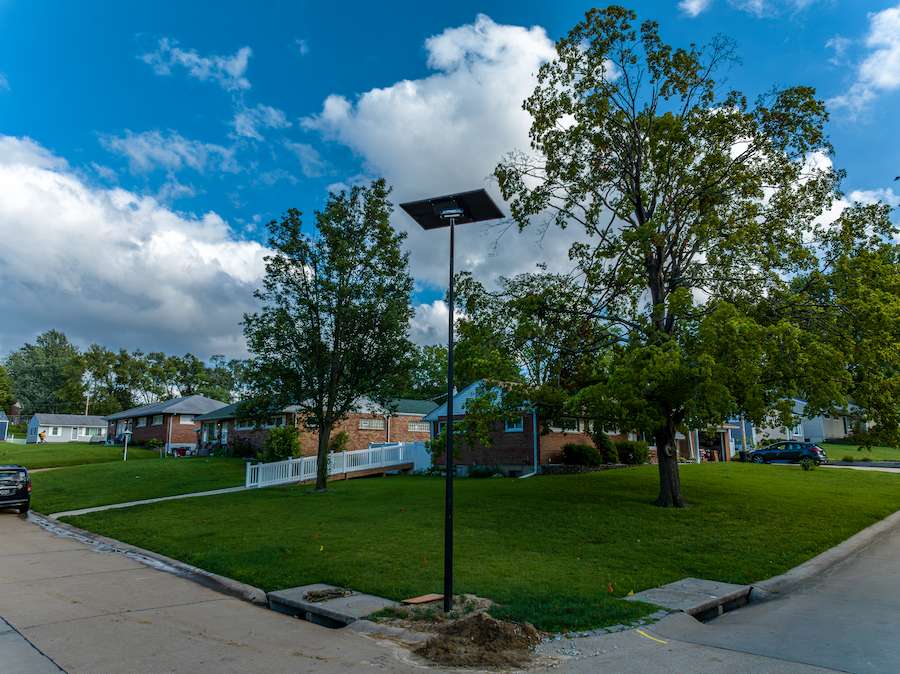
Many Alabama communities choose solar lighting because it aligns with key federal and state funding priorities like safety, resilience, and energy efficiency. Agencies such as USDA, FEMA, and the Department of Energy often support projects that improve visibility and reduce long-term costs, making solar street lighting an ideal fit. With no trenching or wiring required, solar reduces project expenses and makes grant matching easier. By working with trusted solar lighting manufacturers and municipal suppliers, cities can secure funding and deploy lighting faster in the areas that need it most.
Frequently Asked Questions for Alabama Communities
Are solar streetlights reliable during Alabama storms and outages?
Yes. Modern solar energy streetlights are built to withstand Alabama’s severe weather. Because they operate off grids, they stay illuminated even when traditional municipal lights fail during storms or power outages.
How long can off-grid solar-powered streetlights operate without sunlight?
High-quality off-grid solar lighting systems store enough energy to run for several nights, ensuring consistent performance through cloudy weather, rain, or extended storm cycles.
Are solar street lighting solutions bright enough for public safety needs?
Absolutely, Today’s solar-powered street lighting meets or exceeds illumination standards for intersections, walkways, school zones, and high-traffic areas, providing strong and uniform visibility.
Can small Alabama cities and rural counties afford municipal solar streetlighting?
Yes. With no trenching, wiring, or monthly electric bills, solar is often more cost-effective than traditional lighting. Grants and federal programs make upgrades even more accessible for smaller municipalities.
What maintenance is required for solar streetlights in Alabama?
Very little. Modern systems use long-lasting, sealed components with minimal upkeep—typically just occasional cleaning. Unlike wired municipal streetlights, they require no electrical service.
Why Solar Is Becoming Alabama’s Public Safety Upgrade
Solar lighting is quickly becoming a practical choice for Alabama cities looking to improve safety without relying on fragile grid infrastructure. With resilience during storms, lower installation costs, and fast deployment, solar helps communities address lighting needs more efficiently. As more municipalities adopt sustainable solutions, solar street lighting in Alabama communities is proving to be a reliable, long-term upgrade for safer streets and public spaces.