
A Year Defined by Climate and Infrastructure Stress
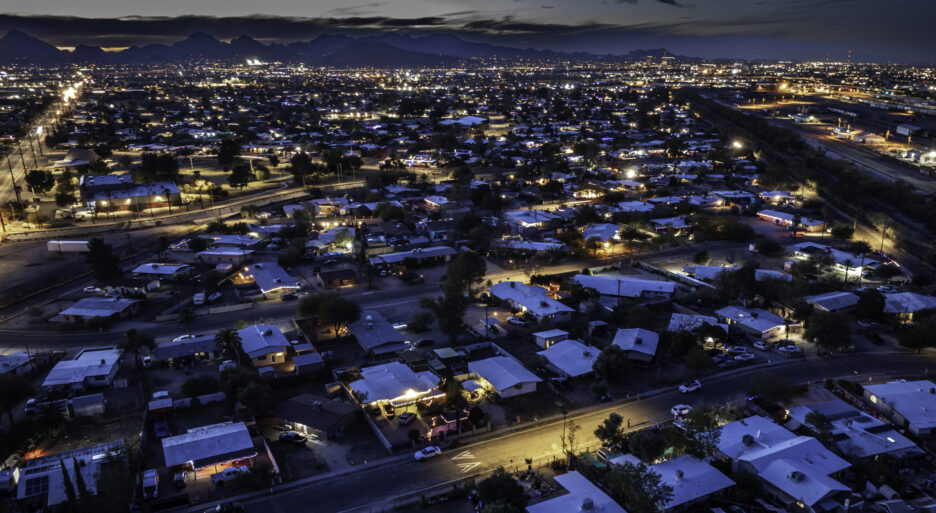
In 2025, cities faced another year of heat waves, severe storms, and grid instability—events that repeatedly exposed the limits of traditional, grid-tied street lighting. Many communities experienced dark roadways, unlit pathways, and extended outages at the exact moments when visibility and safety were most critical.
These disruptions pushed municipalities to reassess how essential services stay operational during emergencies. Lighting, once assumed to be grid-dependent, proved far more vulnerable than expected.
Against this backdrop, solar street lighting stood out as a dependable resilience tool. Because it operates independently from the electrical grid, solar lighting remained functional during outages, peak-load failures, and weather-related disruptions. Cities using systems designed for long-duration storage and autonomous performance—such as Fonroche Solar Lighting—saw consistent illumination even when nearby grid infrastructure went offline.
Table of Contents
Reliable Lighting During Grid Outages
One of the most visible resilience lessons of 2025 was how quickly lighting can fail when it depends on the electrical grid. Heat-related transformer issues, storm damage, and equipment faults left many communities without nighttime illumination for hours or even days. Grid-tied streetlights often went dark not because the fixtures failed—but because the power supporting them did.
Fonroche Lighting offered a different outcome. Each solar unit operates autonomously with:
- Its own power source
- Dedicated battery storage
- Smart controls
- Zero reliance on grid infrastructure
Because of this design, lighting stayed on even as surrounding electrical systems struggled. Systems engineered for long-duration storage and advanced energy management—such as Fonroche—performed especially well by maintaining illumination through multi-day events.
In 2025, many cities saw that off-grid lighting can serve as a stable backbone for essential nighttime visibility during outages, ensuring public spaces remain safe and usable regardless of electrical disruptions.
Climate Resilience — Performance Through Extreme Weather
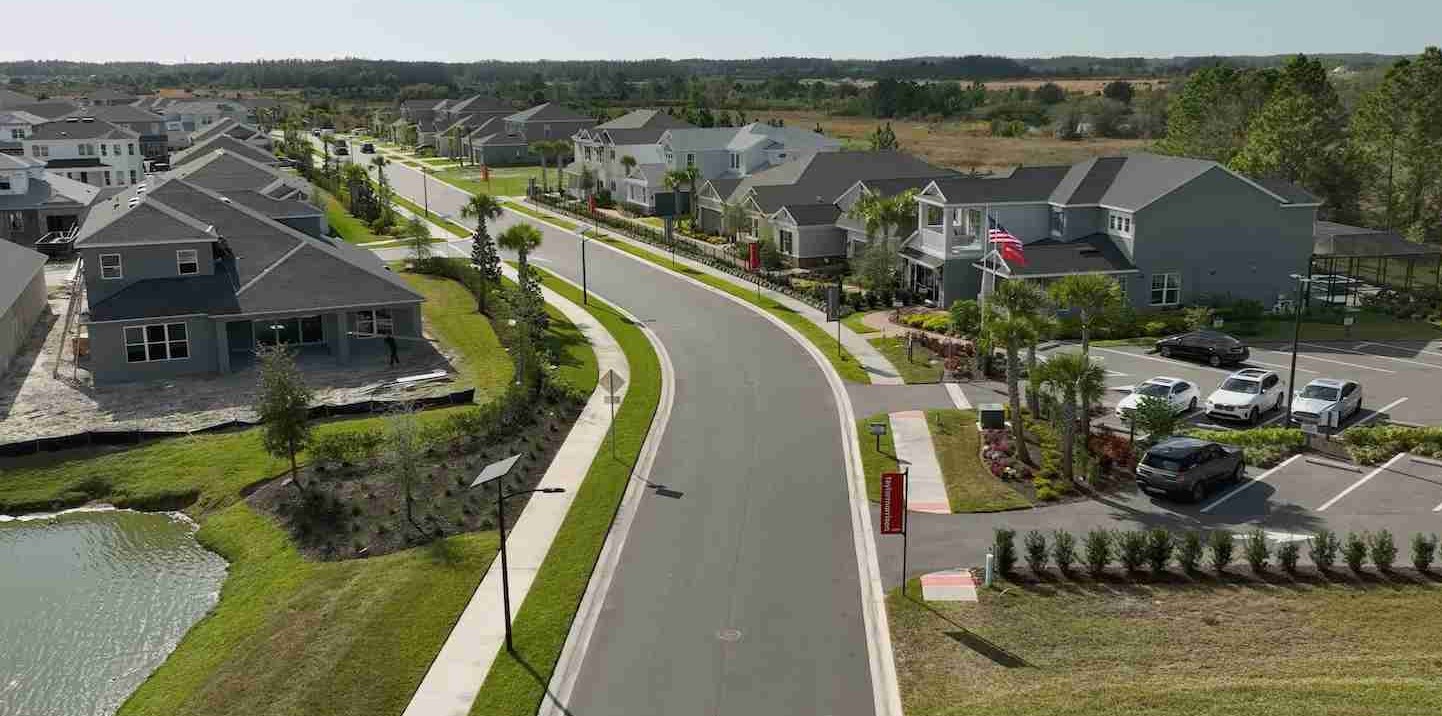
Extreme weather tested every part of urban infrastructure in 2025. Multi-day cloud cover, intense storms, and prolonged heat placed pressure on electrical systems that were never designed for such variability. Grid-tied lighting, dependent on centralized power and vulnerable distribution networks, often dimmed or failed during these conditions.
Solar street lighting performed differently. Built as self-contained systems, they continued operating through fluctuating weather patterns, sustained overcast periods, and high temperatures. Modern energy management technology allowed solar units to balance generation and storage automatically—maximizing available energy during challenging conditions.
Structural durability also played a role. Wind-resistant poles, sealed components, and long-life batteries helped solar lighting withstand the environmental stresses that caused outages in grid-tied networks.
Fonroche solar systems are designed specifically for year-round conditions, engineered for multi-day autonomy and variable climates. This showed that reliable illumination is achievable even during prolonged weather events. For many cities, this resilience proved essential to maintaining safe pathways, roads, and public spaces when other infrastructure was under strain.
Expanding Light to Underserved or Remote Areas
Another key insight from 2025 was how solar lighting strengthened resilience by expanding illumination into places the grid could not easily reach. Many underserved neighborhoods, rural corridors, and remote park areas continued to face slow or inconsistent grid service—conditions that became more visible during outages and peak-demand periods.
Because solar lighting requires no trenching, wiring, or grid connection, cities were able to deploy reliable illumination in locations that traditionally remained unlit due to cost or logistical barriers. This provided immediate safety benefits, but it also supported broader resilience goals by reducing dependence on centralized electrical infrastructure.
Areas without robust grid support remained lit during disruptions, creating safer routes for walking, cycling, and community activity even when surrounding systems were offline. Fonroche solar systems, designed for autonomous operation and uniform light distribution, enabled cities to extend lighting coverage equitably while strengthening overall system redundancy.
Sustainability and Resilience Converge
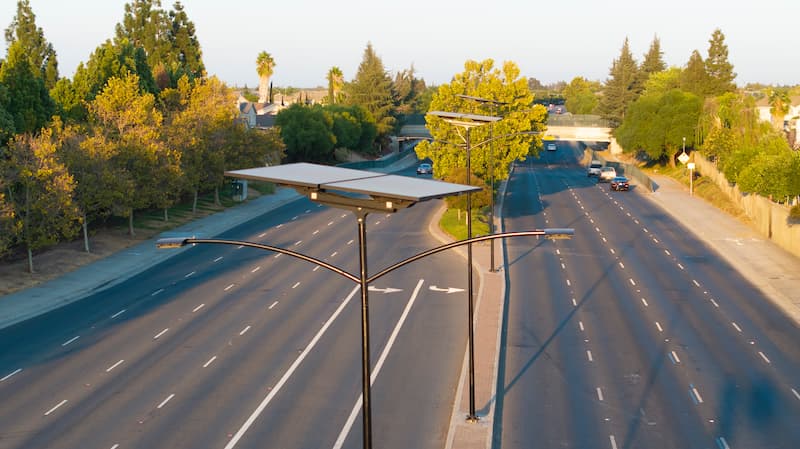
One of the clearest takeaways from 2025 was that sustainability and resilience are no longer separate goals—they increasingly reinforce each other. Solar street lighting is a strong example of this overlap. Because it operates with zero emissions, zero grid dependence, and minimal environmental disruption during installation, it supports sustainability targets while strengthening overall infrastructure reliability.
Cities working toward carbon reduction, climate adaptation, and Vision Zero safety goals found that solar lighting checked multiple boxes at once. Off-grid systems reduced electricity consumption, avoided construction impacts associated with trenching, and provided dependable nighttime visibility during outages—benefits traditionally addressed by separate initiatives.
Systems built for long-term autonomy, such as Fonroche Lighting, aligned especially well with municipal climate strategies. They offered a way to increase public safety and reduce emissions while providing infrastructure that continues operating through weather extremes and grid instability.
Resilient Lighting for the Future
If 2025 demonstrated anything, it’s that resilient lighting cannot rely solely on the electrical grid. With climate pressures intensifying and outages becoming more frequent, cities need illumination that performs consistently regardless of external conditions.
Across outages, severe weather, and underserved areas, solar systems offered a dependable alternative to traditional infrastructure. Municipalities saw that grid independence, long-duration energy storage, and adaptable controls are essential to keeping public spaces safe and accessible.
As communities plan ahead, the lessons from 2025 are clear:
- Resilient lighting requires diversified power sources.
- Off-grid systems strengthen citywide reliability.
- Solar street lighting is now a core part of resilience planning.
Fonroche’s performance throughout 2025 illustrated how off-grid systems support both resilience and long-term sustainability goals. Reach out to a Team Member to kickstart your next solar project today.