
Solar Street Lighting for Florida Parks, Trails and Public Spaces
From waterfront walkways and community parks to trails, greenways, and recreation areas, Florida public spaces need lighting designed around how people actually move through and use them after dark.
Florida parks and public spaces can include parking areas, entrances, walking paths, recreation facilities, waterfronts, and gathering spaces within a single site. Each area serves a different purpose and may require a different approach to nighttime visibility.
Solar pedestrian lighting allows planners to address these spaces according to how people move through them, using illumination or route guidance where it is actually needed. For solar park lighting, the goal is not simply to add more light across the property, but to match the lighting scale, placement, and function to each part of the public space.
Start With How People Use the Space After Dark
The right lighting approach begins with understanding where people walk, gather, enter, cross, and move between different parts of a public space.
Before selecting a lighting system, Florida parks departments and planners should identify the areas that remain active after dark. Entrances and crossings may need clear visibility; walking routes may require continuous guidance, and recreation or gathering areas can have different illumination needs.
This is where solar pedestrian lighting becomes more than simply placing lights along a path. The location, scale, and purpose of each light should respond to how people actually use the space. For solar park lighting, defining these activity zones first helps determine where illumination is needed, where wayfinding is more important, and which type of lighting is appropriate for each area.
Pathways, Trails and Greenways Need a Different Lighting Scale
Lighting designed for vehicles is not always the right approach for pedestrian routes.
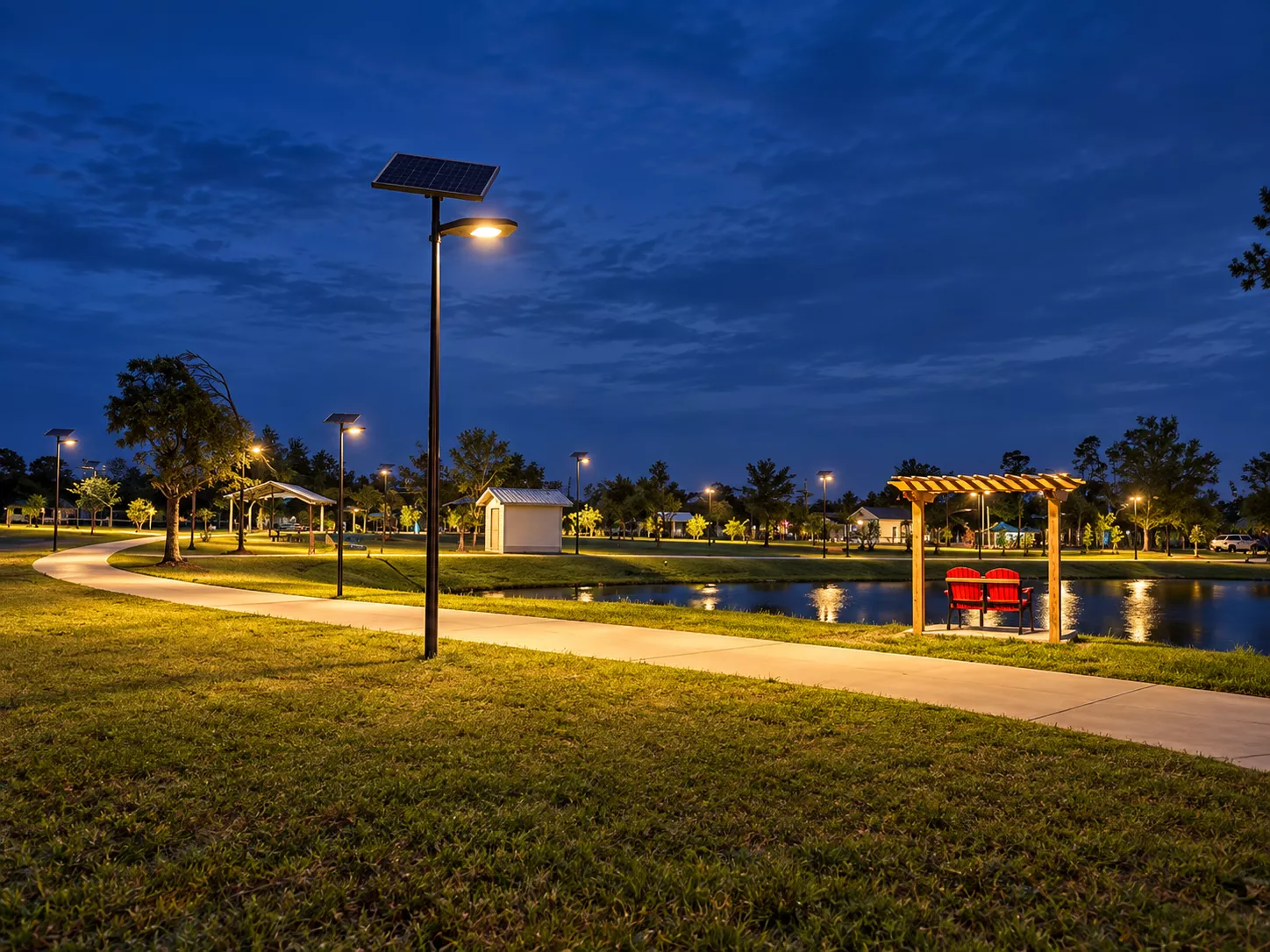
Walking paths, trails, greenways, and recreational routes are experienced at a pedestrian scale, so lighting should respond to how people move through these spaces. Solar pathway lighting in Florida can support visibility and pathway continuity while allowing planners to consider existing vegetation, landscaping, and appropriate placement along the route.
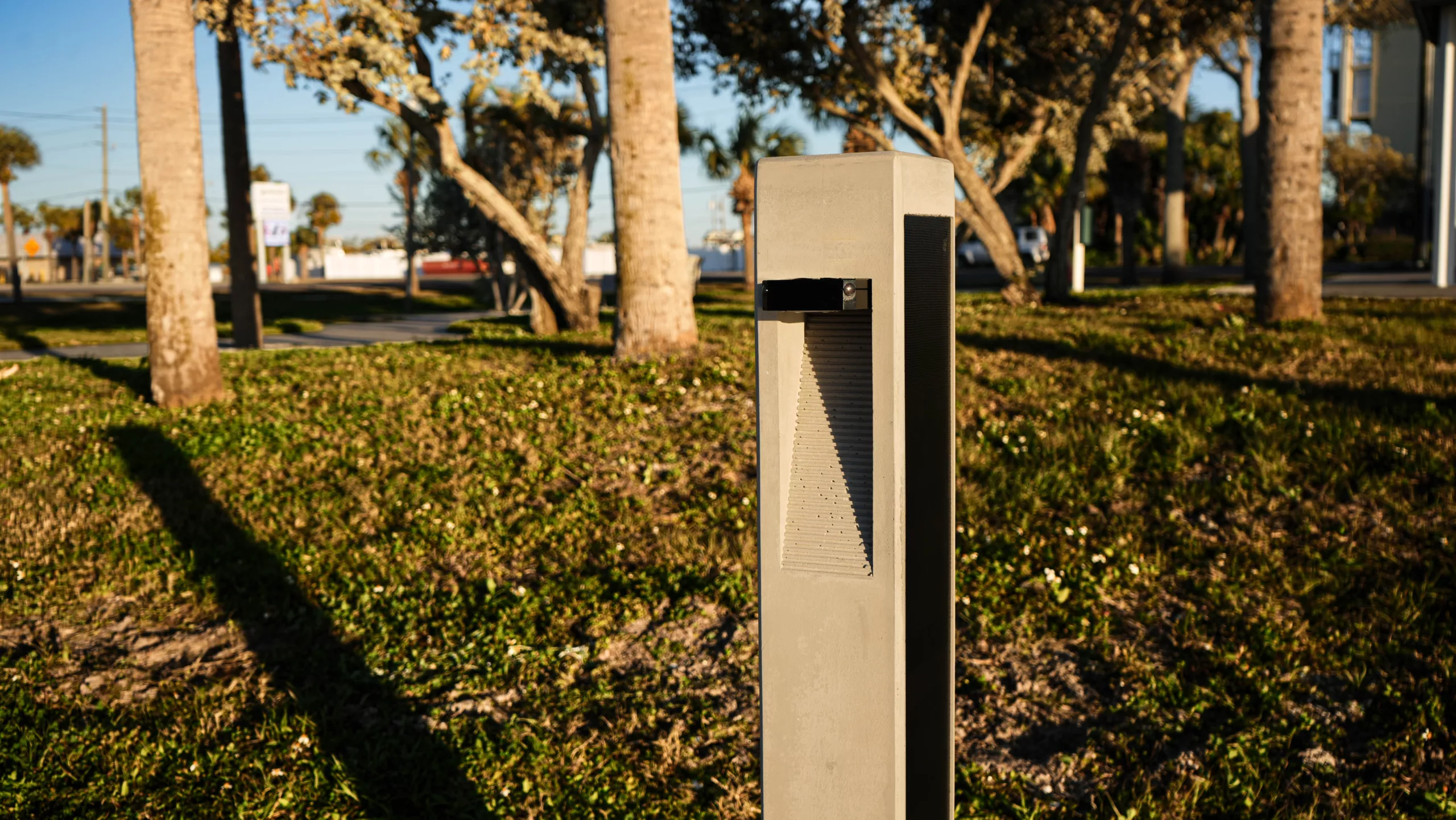
Rather than applying roadway-scale illumination everywhere, solar pedestrian lighting can concentrate on lighting where people need it most. NOWATT solar bollards provide pedestrian-scale illumination for pathways and surrounding areas, while thoughtful placement can help reduce unnecessary disruption to established landscapes. For planners evaluating solar footpath lights, the objective should be a clear, comfortable route that supports both visibility and wayfinding after dark.
Illumination and Wayfinding Are Not the Same Thing
Some spaces need illumination for visibility, while others may need clear guidance to help people follow a route after dark.
Understanding that difference helps planners choose the right solution for each part of a pedestrian space. NOWATT solar bollards provide pedestrian-scale illumination for pathways, entrances, gathering areas, and other locations where people need to see their surroundings.
Crystal studs serve a different purpose. They can help define path edges, mark route transitions, and guide pedestrians along designated connections after dark. They are not a replacement for illumination where lighting is required but can complement the overall pathway design. Using each solution according to its function creates a more intentional approach to visibility and wayfinding across public spaces.
One Park May Need More Than One Type of Solar Lighting
Parking areas, access to roads, pathways, and gathering spaces can require very different levels of illumination within the same property.
Effective solar park lighting starts by matching the lighting system for each application. A parking area or access road may require SmartLight solar LED lights designed for broader illumination, while walking paths may be better suited to NOWATT solar bollards for pedestrian-scale lighting. Crystal studs can support route guidance where pathway definition is the primary need.
Using different solutions within the same park allows planners to address each area according to its purpose rather than applying one type of light across the entire property. The application, required illumination, and way people use the space should ultimately determine the appropriate solar lighting solution.
Florida Waterfronts Add Another Layer to Public-Space Lighting
Waterfront parks and coastal pathways combine pedestrian needs with site conditions that require careful lighting and infrastructure planning.
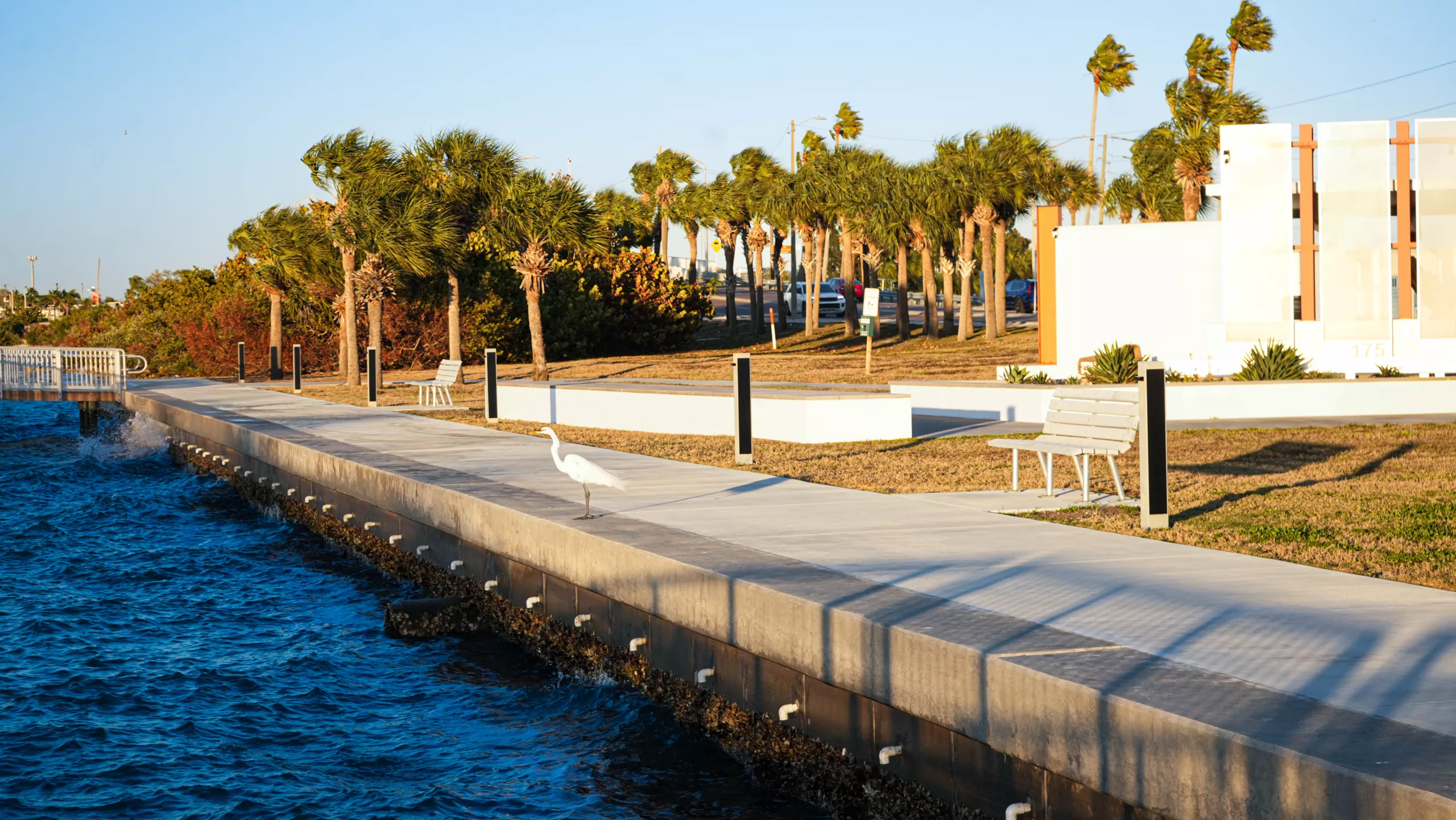
Waterfront walkways, seawalls, dock approaches, and coastal paths need lighting planned around both how people use the space and the conditions surrounding it. Coastal exposure, flood-prone areas, existing infrastructure, and available placement locations can all influence the lighting approach.
For pedestrian areas, distribution and shielding help direct light where it is needed, while color temperature may also be an important consideration depending on the location and project requirements. Rather than treating every waterfront the same, planners should evaluate the specific site, pedestrian routes, and surrounding environment. Florida projects in Madeira Beach and Safety Harbor show how solar lighting can be applied to real waterfront pathways and public spaces.
Frequently Asked Questions About Solar Lighting for Florida Public Spaces
Solar pedestrian lighting uses solar energy to support nighttime visibility in walking-focused spaces such as pathways, trails, park entrances, and public areas without relying on a direct electrical connection at each lighting location.
Yes. Solar pathway lighting in Florida can support trails, greenways, footpaths, and pedestrian connections when the system is designed around required illumination, route conditions, placement, vegetation, and available solar exposure.
Solar bollards provide pedestrian-scale illumination along pathways and public spaces. Solar streetlights are designed for larger areas such as roads, access routes, and parking areas where broader illumination is required.
Yes. Waterfront applications should be evaluated around pedestrian needs, coastal exposure, existing infrastructure, placement, lighting distribution, and any site-specific environmental requirements.
No. Some routes require illumination for visibility, while others may primarily need wayfinding or path definition. Crystal studs can support route guidance where appropriate, while bollards provide pedestrian-scale illumination.
Planning Solar Lighting for a Florida Park, Trail or Public Space?
Every public space has different lighting needs. Whether you’re planning improvements for a walking trail, waterfront, community park, recreation area, or a site with multiple activity zones, Fonroche Lighting America can help evaluate the site and identify the appropriate solar lighting approach for each area.