
Solar Street Lighting in Florida: What Municipalities Should Consider Before Choosing a System
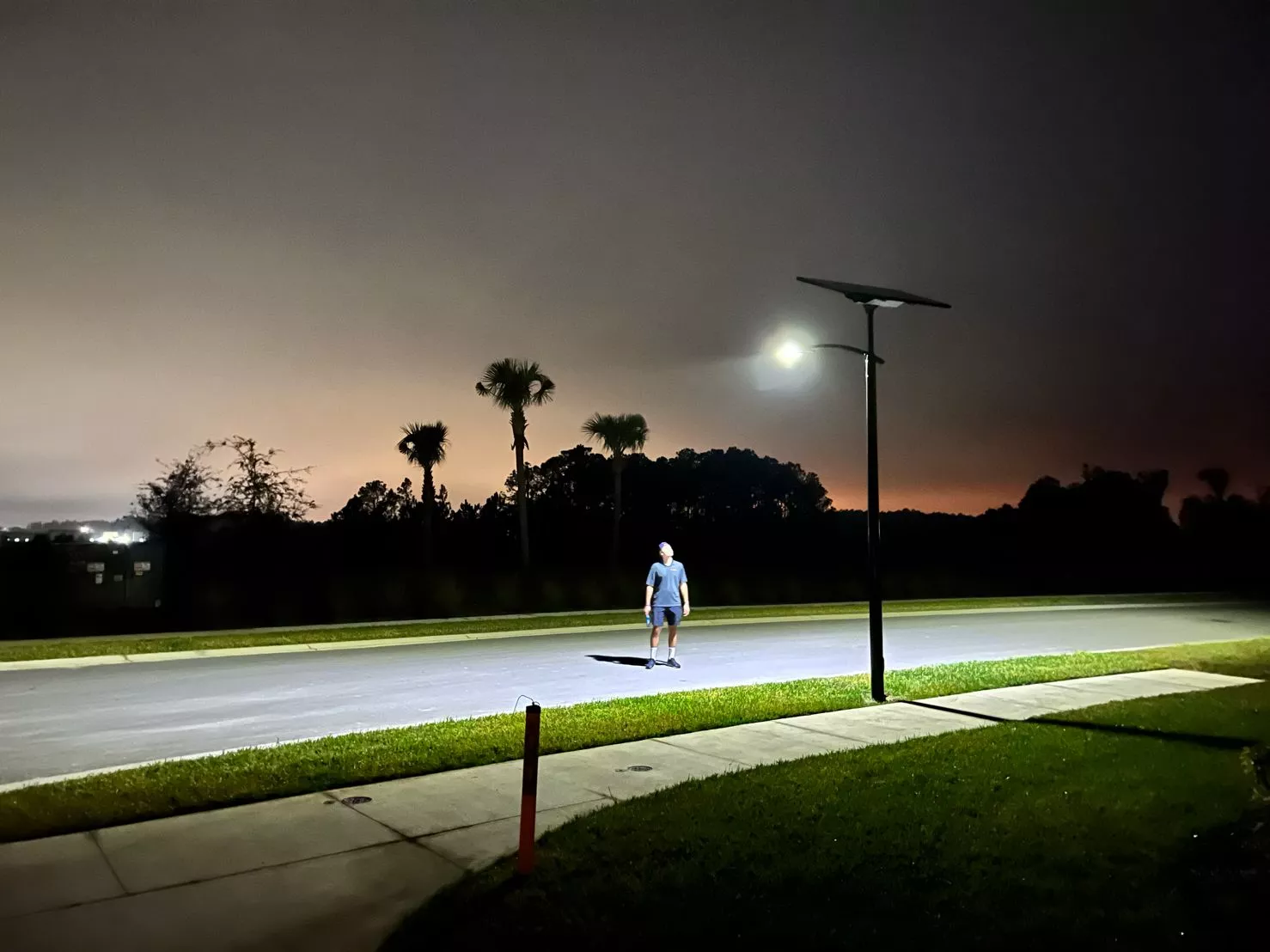
Building reliable public lighting in Florida starts with understanding the site, the climate, and the infrastructure behind every light.
From municipal roads and parking areas to parks and public spaces, Florida communities need outdoor lighting that can perform within the realities of the state’s environment and infrastructure. Severe weather, grid outages, flood-prone locations, coastal conditions, and utility access can all influence how a lighting project is planned.
Traditional grid-connected lighting can also require trenching, conduit, underground cabling, and utility coordination. Solar street lighting in Florida offers municipalities a grid-independent alternative, but choosing the right system requires more than selecting a solar fixture. Site conditions, lighting requirements, solar availability, energy storage, pole design, and operating schedules all shape a system built for long-term performance.
Start with the Site, Not the Solar Light
The right municipal solar lighting system begins with understanding where, and how, it needs to perform.
No two Florida lighting projects have the same requirements. A roadway in a growing community, a municipal parking lot, and a public park can differ significantly in layout, nighttime activity, available sunlight, and required illumination.
Before comparing fixtures, municipalities should evaluate the exact project location, road or site geometry, pole placement and spacing, surrounding trees or buildings, solar exposure, and desired operating schedule. Local solar and weather data also matter because available energy can vary by location and season. Rather than selecting municipal solar streetlights based on a generic wattage, the complete system should be engineered around the conditions and lighting requirements of the actual site.
Plan for Florida’s Weather and for Life Beyond the Grid
Grid independence can strengthen lighting resilience, but reliable performance still starts with engineering for the conditions of the site.
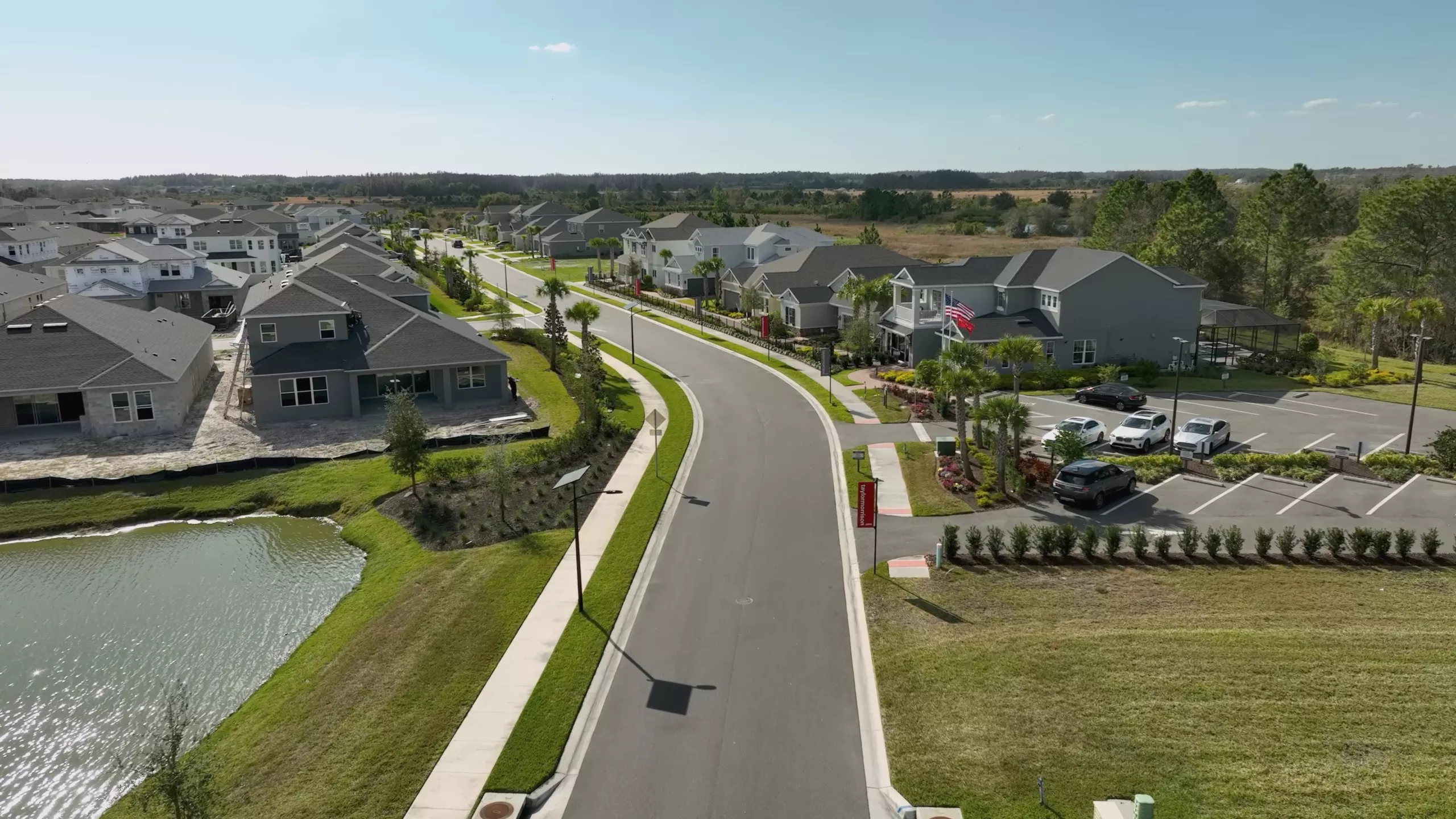
Florida’s hurricanes, severe storms, heavy rainfall, and grid outages can disrupt electrical infrastructure and leave public areas without conventional lighting. Flood-prone locations, coastal environments, wind conditions, and seasonal changes in available solar energy add another layer to municipal planning.
Autonomous solar lighting operates independently from the electrical grid, allowing each system to generate and store its own energy. But being off-grid is only part of the equation. Reliable performance depends on properly balancing solar collection, battery storage, lighting demand, operating schedules, and structural requirements. For Florida municipalities, these factors should be evaluated using the project’s location and local conditions rather than assuming one solar lighting configuration will perform the same everywhere.
Look Beyond the Light: Consider the Infrastructure Behind It
The true scope of a municipal lighting project includes everything required to bring power to each location, not just the cost of the fixture.
Traditional grid-connected street lighting can require trenching, conduit, underground cabling, electrical service, utility coordination, and restoration after installation. Those requirements can add complexity when lighting existing roads, developed neighborhoods, parking areas, parks, or established landscapes.
Autonomous solar lighting changes that infrastructure equation. Because each system generates and stores its own energy, there is no need to extend grid power between lighting locations. This can reduce dependence on underground electrical infrastructure and provide greater flexibility in remote or difficult-to-connect areas. For municipalities comparing off-grid and grid-connected street lighting, the complete installation requirements should be considered alongside the lighting equipment itself.
Match the Lighting to the Way the Space Is Used
Roads, parking areas, parks, and pathways each have different lighting needs, and the system should be designed accordingly.
Roads & Intersections: Road geometry, traffic patterns, visibility requirements, pole placement, and light distribution all influence system design.
Municipal Parking Areas: Lighting should account for both vehicles and pedestrians, along with parking layout, nighttime activity, and operating schedules.
Parks & Recreational Areas: Public spaces may require lighting around existing landscapes while supporting how residents use the area after dark.
Pathways & Public Spaces: Pedestrian-focused areas often require a different scale and distribution of light than roadways, particularly where conventional electrical infrastructure is limited.
Matching the technology to the application helps municipalities choose between roadway-focused SmartLight systems and pedestrian-scale NOWATT solutions rather than approaching every project as the same type of
installation.
Evaluate the Entire System, Not Just the Light
Reliable solar lighting depends on how every component works together; not simply how bright the luminaire is.
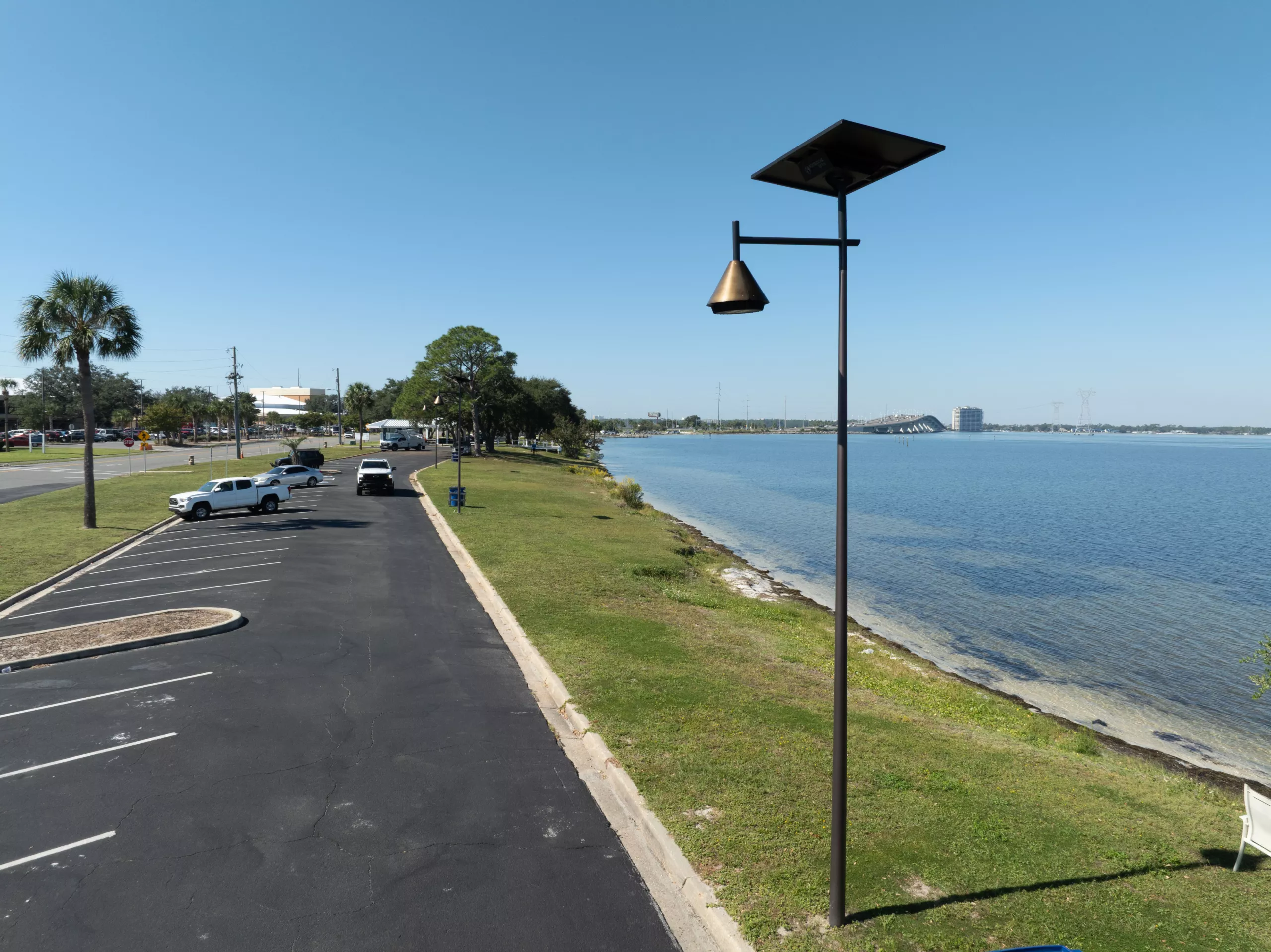
For municipalities, comparing solar lighting systems should go well beyond lumens or fixture wattage. The solar module must collect enough energy for the project location, while the battery must store and manage that energy to support the required operating schedule. The luminaire and optics must deliver light where the roadway or public space needs it, and the pole configuration should reflect the project’s structural requirements.
Most importantly, these components cannot be evaluated independently. Solar collection, battery capacity, lighting demand, operating profiles, and structural design need to function as one engineered system. Fonroche’s Power 365™ technology manages the relationship between energy generation, storage, and lighting operation, helping the system use available energy according to the requirements established for each project.
Choose a Manufacturer That Can Support the Entire Project
Municipal solar lighting is an infrastructure investment, so the manufacturer should provide more than equipment.
When evaluating a solar street lighting manufacturer in Florida, municipalities should look at the engineering and project support behind the system. Ask how local solar and weather conditions are analyzed, how battery capacity and lighting profiles are determined, whether photometric studies are available, and how pole and structural requirements are addressed. Comparable municipal projects can also provide useful insight into the manufacturer’s experience.
Procurement should be considered early as well. Depending on the project, municipalities may need specific engineering documentation, purchasing requirements, or federally funded project documentation. Cooperative purchasing programs can provide another procurement pathway where applicable, while projects involving federal funding may require additional BAA or BABA considerations. Addressing these requirements early can help align system design, documentation, and procurement from the beginning.
Florida Municipal Solar Lighting Evaluation Checklist
Before moving forward with a solar lighting project, municipalities should evaluate the complete system, not just the fixture or upfront equipment cost.
Use this checklist during early project planning:
- Project location: Has the exact installation location been evaluated?
- Solar availability: Has available solar energy been analysed for the site?
- Illumination: Are required light levels clearly established?
- Light distribution: Does the proposed optical design fit the application?
- Operating schedule: Is the required nighttime lighting profile defined?
- Energy storage: Is battery capacity sized around project requirements?
- Site conditions: Have wind, weather, shading, and surrounding conditions been considered?
- Infrastructure: Have trenching, wiring, and utility requirements been compared?
- Pole design: Have structural and placement requirements been evaluated?
- Documentation: Are the necessary engineering and project documents available?
- Procurement: Has the appropriate purchasing pathway been identified?
A well-designed municipal solar lighting project starts with these questions before a system is specified.
Frequently Asked Questions About Solar Street Lighting in Florida
Yes. Autonomous solar streetlights generate and store their own energy at each system rather than relying on grid electricity. This allows the lighting to continue operating independently when the electrical grid experiences an outage, provided the system has been properly sized for the project’s requirements.
Municipal solar streetlights should be sized using the specific project location, available solar energy, required illumination, operating schedule, and energy storage requirements. Local weather patterns, shading, site conditions, and seasonal solar availability should also be considered during system design.
Yes. Because autonomous solar lighting generates and stores energy at each system, it can eliminate the need to extend electrical wiring between lighting locations. This can significantly reduce trenching, conduit, cabling, and utility infrastructure compared with conventional grid-connected lighting.
Municipalities should look beyond the fixture itself. A solar street lighting manufacturer should demonstrate site-specific engineering, lighting design capabilities, energy-management expertise, structural considerations, project documentation, comparable municipal experience, and support throughout planning, procurement, installation, and long-term operation.
Planning a Solar Street Lighting Project in Florida?
Choosing the right solar lighting system starts with understanding the complete project, from site conditions and lighting requirements to local solar availability, energy storage, structural design, operating profiles, and procurement needs.
Fonroche Lighting America works with Florida municipalities and infrastructure planners to evaluate these factors and develop autonomous solar lighting systems engineered around the specific needs of each project.