
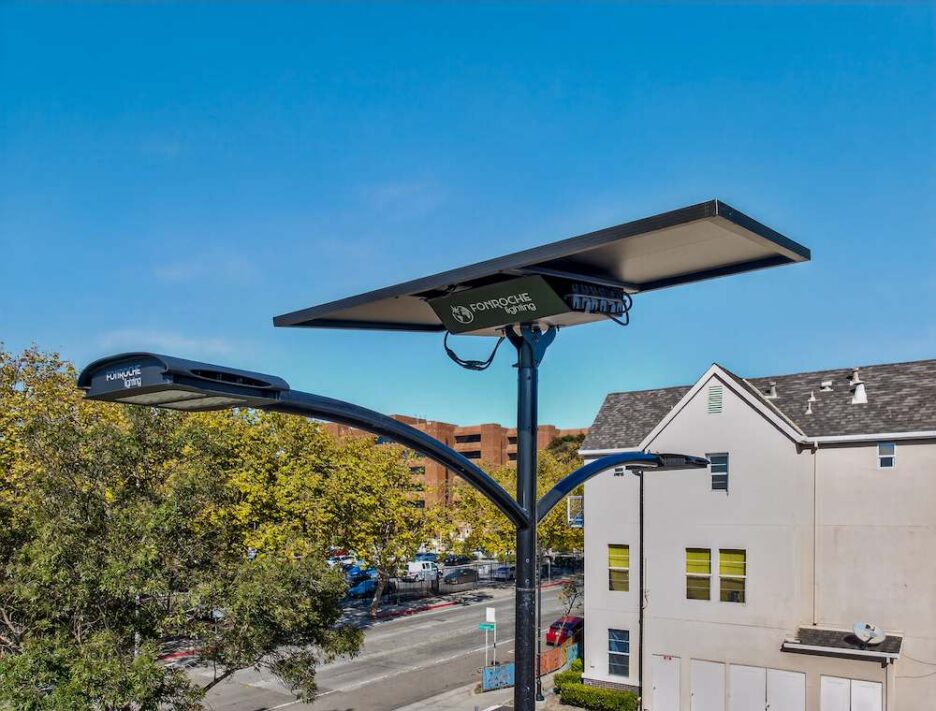
Georgia’s storm season brings more than heavy rain; it brings widespread outages, unsafe road conditions, and sudden darkness across both coastal and inland communities. From hurricanes sweeping into Savannah to fast-moving thunderstorms in Atlanta, Macon, and Augusta, lightning failures are a constant risk. When the grid goes down, streetlights, intersections, pathways, and public facilities often lose illumination instantly, creating dangerous conditions for drivers, pedestrians, and emergency responders.
This is why more Georgia municipalities, HOAs, and transportation departments are turning to off-grid solar street lighting. Built to operate independently from the utility grid, these systems deliver uninterrupted, weather-resilient lighting, even during severe storms, keeping communities safer when it matters most.
Georgia’s Weather Risks Call for Reliable Lighting
Georgia faces some of the most varied and aggressive weather patterns in the Southeast, and each one poses a direct threat to the state’s lighting infrastructure. Along the coast, hurricanes and tropical storms bring destructive winds, storm surge, and widespread flooding that easily knock out electrical lines. Inland, rapid-fire thunderstorm clusters and intense lightning bursts routinely strike transformers, leaving major corridors dark without warning. Even the Piedmont and mountain regions experience high winds and flash flooding that damage underground cabling and overhead utilities.
These recurring hazards don’t just disrupt power; they cripple the grid systems that traditional streetlights depend on. When a storm hits, lightning on highways, rural routes, campuses, and neighborhoods often fails first, creating unsafe conditions during the moment visibility is needed most. Georgia’s unpredictable, high-impact weather makes it clear: communities need lighting that can stay on even when the grid can’t.
Why Traditional Lighting Systems Fail During Storms
Traditional grid-connected lighting is one of the first systems to collapse when Georgia’s storms roll in. The state’s electrical infrastructure, much of it ageing or exposed, struggles to withstand high winds, lightning strikes, and flooding. When transformers blow, overhead lines snap, or underground wiring is compromised, entire corridors of streetlights go dark instantly.
Restoration isn’t quick, either. Utility crews often face blocked roads, hazardous conditions, and competing emergency priorities before they can begin repairs. In many cases, lighting remains offline long after the storm has passed, leaving intersections, evacuation routes, and public spaces vulnerable to hazards.
With fragile cabling, complex permitting, and lengthy repair cycles, traditional lighting is simply not built for Georgia’s storm environment. Communities need illumination that continues operating regardless of grid failures, and that’s where off-grid solar solutions stand apart.
Storm-Resilient Lighting with Power 365™
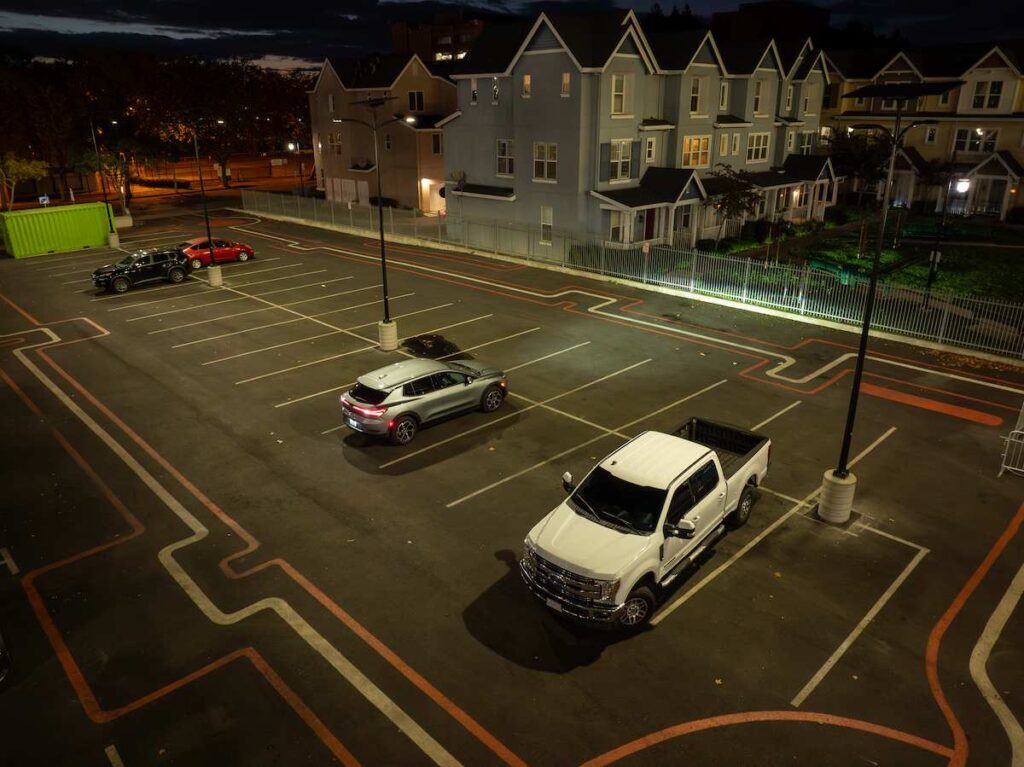
Georgia’s unpredictable storm cycles demand lighting that continues operating even when the grid collapses. Fonroche SmartLights, powered by the patented Power 365™ technology, are engineered to perform in the toughest weather conditions.
Why Power 365™ is built for Georgia storms:
- 365 nights of guaranteed lighting, even through extended cloud cover or rain
- Off-grid operation, no trenching, no wires, no transformer dependency
- Smart energy management that optimises battery storage automatically
- Sealed, elevated design protects components from flooding and moisture
- Wind-resistant poles and hardware, ideal for hurricane-prone corridors
Together, these features make Power 365™ one of the most reliable and weather-resilient lighting options for Georgia communities facing annual storm risks.
Safety Benefits During and After Grid Failures
When severe storms take down Georgia’s electrical grid, traditional streetlights fail instantly. Off-grid solar lighting avoids that vulnerability entirely. Because these systems operate independently from transformers, overhead lines, and buried cabling, they stay illuminated through lightning strikes, high winds, and flooding. This ensures that intersections, major corridors, and evacuation routes remain visible when the rest of the grid goes dark.
After the storm, off-grid lighting continues supporting recovery efforts by illuminating debris, downed lines, and roadway hazards that are difficult to see in low-light conditions. Public facilities, especially schools, shelters, and community centres, benefit from consistent nighttime visibility without relying on generators. In a state where outages can last hours or days, uninterrupted lighting isn’t optional; it’s essential for keeping Georgia communities safe and operational.
Key FAQs for Georgia’s Storm-Prone & Rural Communities
1. How long do off-grid solar streetlights run during cloudy or stormy weather?
Power 365™ systems are designed to operate for multiple nights without sunlight, storing enough energy to maintain consistent lighting through extended cloud cover, heavy rain, and Georgia’s frequent storm cycles.
2. Can solar streetlights withstand flooding in low-lying Georgia regions?
Yes. All critical components are sealed, elevated, and protected from water intrusion, making the systems ideal for coastal areas, river basins, and flood-prone counties where underground wiring often fails.
3. Are these solar lighting systems hurricane-rated?
Absolutely, Fonroche SmartLights are engineered to handle high winds and severe weather conditions typical of Georgia’s hurricane and tropical storm seasons, ensuring reliable lighting when wired systems are compromised.
4. Do solar streetlights still work after a transformer blowout or grid failure?
Yes. Because they are completely off-grid, the lights remain fully operational during transformer failures, utility outages, and electrical grid interruptions, a major advantage during Georgia thunderstorms and lightning events.
5. How do solar lights perform in rural areas or places without electrical infrastructure?
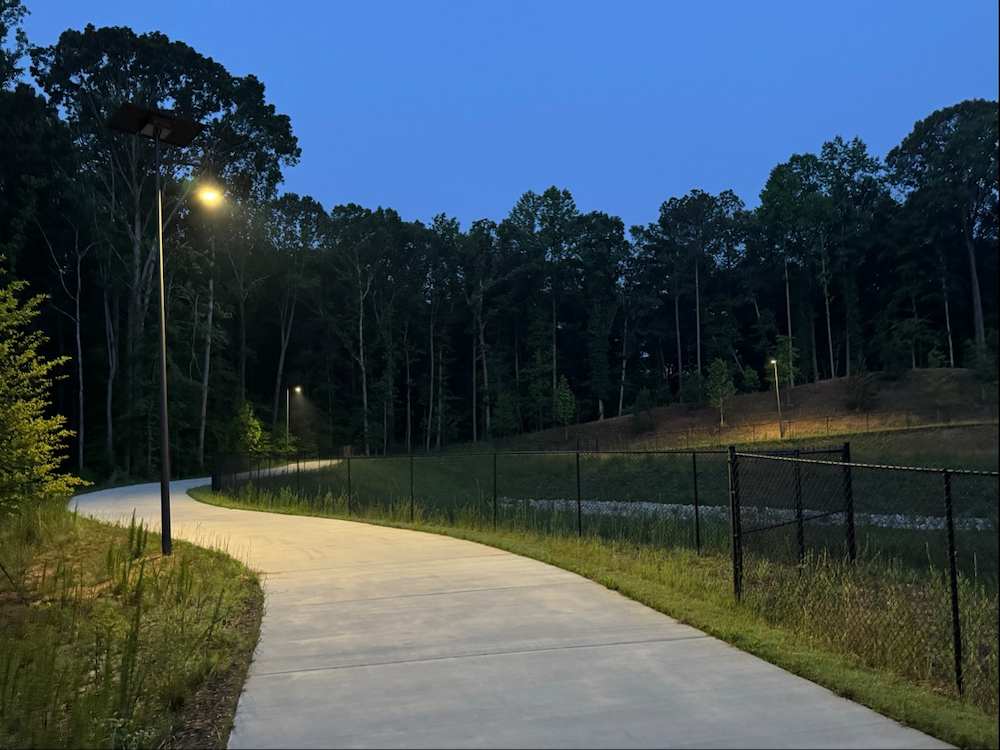
Off-grid systems are ideal for remote and rural Georgia locations. They require no trenching, no wiring, and no grid connection, making them perfect for county roads, agricultural corridors, and underserved communities.
Protect Georgia’s Infrastructure with Off-Grid Light
Storm-related outages will continue to challenge Georgia’s communities, but lighting doesn’t have to fail when the grid does. Off-grid solar street lighting offers a dependable, storm-resilient alternative that keeps roads, public spaces, and evacuation routes illuminated year-round. Take the next step toward a safer, more prepared community by scheduling a local lighting assessment and discovering how off-grid solutions can enhance your storm resilience strategy.