
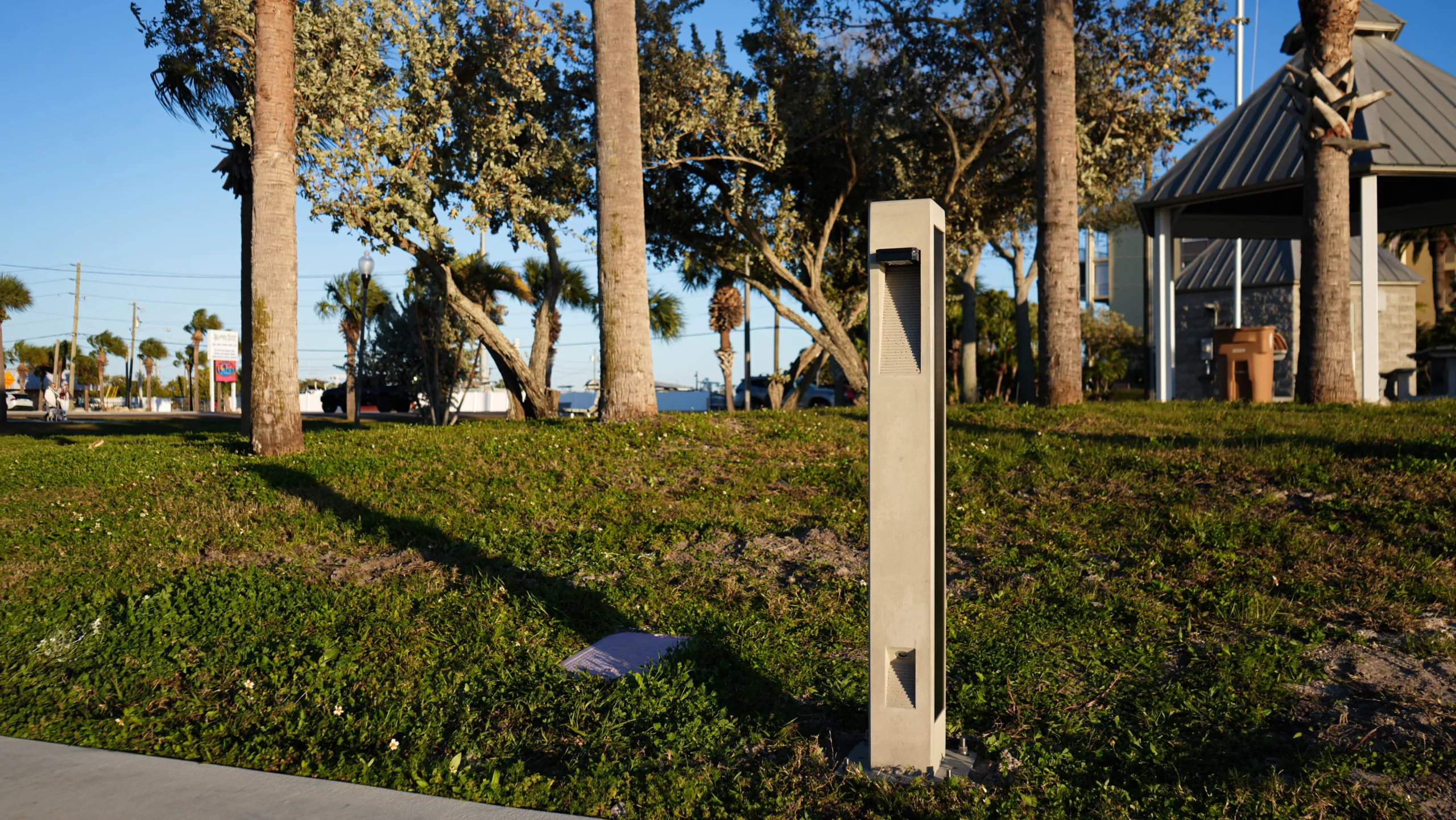
Understanding the infrastructure challenges shaping safer, more connected parks, pathways, campuses, and public spaces across Virginia.
Across Virginia, communities are investing in parks, greenways, downtown revitalization projects, school campuses, mixed-use developments, and public gathering spaces that encourage people to spend more time outdoors. As these spaces become more active, outdoor pathway lighting is no longer viewed as simply an aesthetic feature; it’s an important part of creating safe, accessible, and connected public environments.
At the same time, planning outdoor lighting projects has become increasingly complex. Many municipalities, developers, and public agencies face challenges such as utility connection delays, rising construction costs, extensive trenching requirements, and aging electrical infrastructure. In rural areas, extending grid power to trails, parks, and pedestrian corridors may not always be practical, while coastal communities and rapidly growing regions like Northern Virginia must balance new development with resilient infrastructure planning.
These challenges are prompting Virginia communities to look beyond traditional lighting methods and consider solutions that simplify installation while supporting long-term infrastructure goals. Off-grid outdoor lighting has become an increasingly practical option for projects where safety, flexibility, and preserving existing landscapes are just as important as reliable illumination.
Why Outdoor Lighting Has Become a Bigger Infrastructure Priority in Virginia
Across Virginia, communities are investing in parks, trails, downtown revitalization, school campuses, and mixed-use developments that encourage people to spend more time outdoors. As these public spaces continue to grow, outdoor lighting has become an essential part of creating safer, more accessible environments for residents and visitors alike.
Well-designed pathway lighting supports more than nighttime visibility. It helps improve walkability, enhances pedestrian safety, and extends the usability of parks, greenways, and public gathering spaces after dark. For municipalities and developers, it also plays an important role in creating welcoming communities that support recreation, tourism, and economic growth.
As Virginia continues to modernize its public infrastructure, outdoor lighting is increasingly being viewed as a long-term investment that contributes to safer, more connected, and more vibrant communities rather than simply providing illumination.
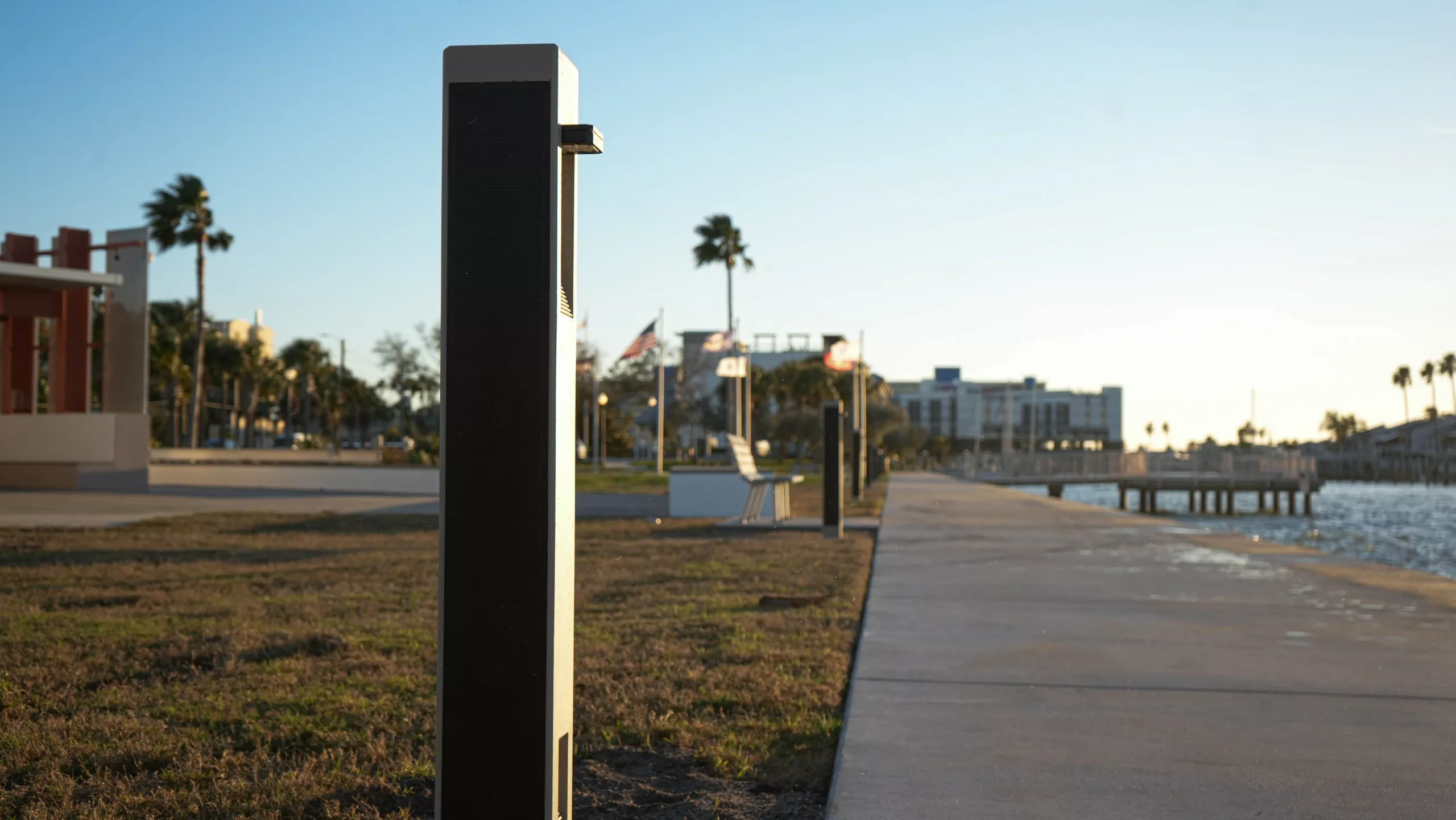
Five Outdoor Lighting Challenges Facing Virginia Projects
Utility Connection Delays
Coordinating with utility providers can significantly extend project timelines, particularly for new parks, public spaces, and commercial developments. Waiting for electrical service often delays construction schedules and increases overall project complexity.
High Trenching and Installation Costs
Installing traditional lighting typically requires trenching, underground conduit, and electrical cabling. These activities can increase construction costs, disrupt existing infrastructure, and add time to projects, especially in developed urban areas.
Rural Infrastructure Limitations
Many rural communities, county parks, trails, and pedestrian corridors are located far from existing electrical infrastructure. Extending grid power to these locations may be costly or impractical, making outdoor lighting projects more challenging to deliver.
Preserving Existing Landscapes
Virginia’s parks, historic districts, campuses, and public spaces often feature mature trees, established landscaping, and pedestrian pathways that communities want to preserve. Traditional electrical installation can disturb these environments during construction.
Coastal and Waterfront Environments
Communities throughout Hampton Roads and other waterfront areas must plan infrastructure that supports public access while accounting for coastal conditions. Outdoor lighting solutions should be selected with long-term site planning, durability, and ease of installation in mind.
Why Traditional Pathway Lighting Doesn’t Always Fit Modern Projects
Traditional pathway lighting has long been the standard for illuminating public spaces, but it isn’t always the most practical option for today’s infrastructure projects. Installing grid-connected lighting often requires extending electrical service, underground wiring, and trenching, adding time, cost, and disruption to construction.
For parks, trails, campuses, waterfronts, and existing public spaces, these requirements can impact landscaping, delay project schedules, and make future expansions more complicated. As communities continue to grow and invest in new outdoor spaces, planners are increasingly seeking lighting solutions that simplify installation and support long-term infrastructure goals without relying entirely on traditional electrical systems. 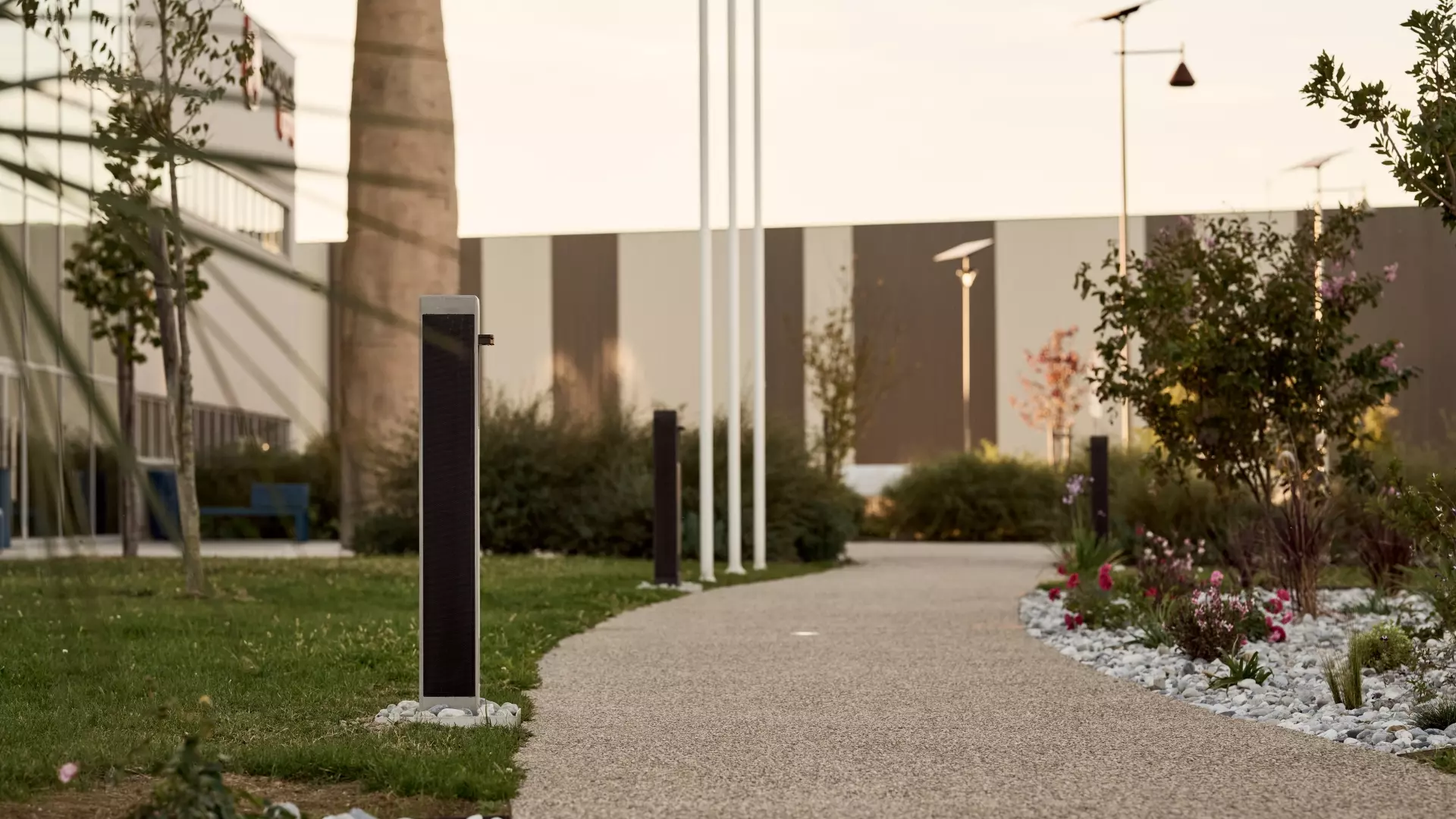
Where Virginia Communities Need Better Outdoor Lighting
Parks
-
- Parks rely on safe, welcoming pathways that remain accessible after sunset. Solar pathway lighting can help illuminate walking routes, gathering areas, playground connections, and recreational spaces without extensive disruption to the surrounding landscape.
Trails
-
- Whether connecting neighborhoods or supporting recreational greenways, trails benefit from lighting that improves visibility and wayfinding. Off-grid solutions are particularly useful where extending traditional electrical infrastructure is difficult or cost-prohibitive.
Universities
-
- University campuses often feature pedestrian corridors, courtyards, and open spaces that remain active well into the evening. Well-planned pathway lighting helps create safer, more connected environments for students, faculty, and visitors.
Healthcare Facilities
-
- Hospitals and healthcare campuses require clearly illuminated walkways for patients, staff, and emergency visitors. Pathway lighting supports safer navigation between parking areas, entrances, and surrounding facilities.
Commercial Campuses
-
- Office parks, business campuses, and corporate headquarters use pathway lighting to improve employee safety while enhancing the appearance and functionality of outdoor spaces. Lighting also helps connect parking areas, building entrances, and landscaped walkways.
HOAs and Residential Communities
-
- Homeowners’ associations and residential developments often install pathway lighting to improve visibility along sidewalks, in community parks, at clubhouses, and around shared outdoor amenities, while creating a more inviting neighbourhood environment.
Resorts and Hospitality
-
- Resorts, hotels, and recreation spots rely on attractive outdoor lighting. It guides guests safely between rooms, restaurants, pools, and other amenities. It also supports the property’s overall landscape design.
Waterfronts
-
- Boardwalks, riverwalks, marinas, and waterfront parks require dependable pathway lighting that improves pedestrian visibility without detracting from the surrounding environment. Off-grid lighting can simplify installation in areas where electrical infrastructure may be limited.
Mixed-Use Developments
-
- Modern mixed-use communities combine residential, retail, office, and public spaces that remain active throughout the day and evening. Pathway lighting helps connect these destinations, creating safer, more walkable environments that encourage community activity.
Solar vs. Traditional Pathway Lighting
Choosing between traditional and solar pathway lighting depends on the project’s location, infrastructure, budget, and long-term objectives. While both options improve pedestrian visibility, they differ significantly in how they’re installed, powered, and maintained. Understanding these differences can help municipalities, developers, and property owners select the most suitable solution for their outdoor spaces.
| Feature | Solar Pathway Lighting | Traditional Pathway Lighting |
| Power Source | Operates independently using integrated solar energy. | Requires connection to the electrical grid. |
| Installation | Typically avoids trenching and underground electrical cabling. | Requires trenching, conduit, wiring, and utility connections. |
| Project Timeline | Can simplify installation where utility access is limited. | May require utility coordination and additional construction work. |
| Landscape Impact | Helps minimize disruption to existing landscapes and hardscapes. | Installation may disturb lawns, sidewalks, trees, and paved areas. |
| Infrastructure Requirements | Suitable for locations where extending grid power is difficult. | Best suited for sites with existing electrical infrastructure. |
| Future Expansion | Additional fixtures can often be added without extending electrical infrastructure. | Expanding a system typically requires additional electrical work. |
Installation and Infrastructure
-
- Traditional pathway lighting often depends on electrical service, underground wiring, and utility coordination before installation can begin. In contrast, off-grid solar pathway lighting can reduce construction complexity in locations where extending electrical infrastructure would be difficult or disruptive.
Project Flexibility
-
- Many outdoor projects evolve as parks expand, new buildings are added, or pedestrian routes change. Lighting solutions that can be installed or expanded without major electrical work may offer greater flexibility during future development.
Site Preservation
-
- For parks, campuses, waterfronts, and landscaped public spaces, preserving existing trees, pathways, and hardscapes is often an important consideration. Reducing excavation and underground work can help minimise disruption during installation.
Choosing the Right Solar Lighting Solution
No single lighting solution is suitable for every outdoor project. The right choice depends on the site’s purpose, expected pedestrian activity, landscape design, and long-term infrastructure goals. Understanding these requirements early in the planning process helps ensure that the lighting system supports both functionality and overall user experience.
Pathway and Pedestrian Lighting
Ideal for sidewalks, parks, trails, campuses, and public walkways where consistent illumination improves visibility, accessibility, and wayfinding.
Bollard Lighting
Bollards are well suited for defining pedestrian routes, enhancing public plazas, landscaped areas, and shared outdoor spaces while blending with the surrounding environment.
Architectural Landscape Lighting
Designed for civic spaces, commercial developments, waterfronts, and public gathering areas where aesthetics and functionality are equally important.
Wayfinding and Guidance Lighting
Applications such as bicycle paths, pedestrian crossings, and trail networks may benefit from lighting solutions that clearly define routes and improve navigation while maintaining a clean, unobtrusive appearance.
Selecting the appropriate fixture type for each application helps create outdoor environments that are safe, visually appealing, and designed to meet the unique needs of the people using the space.
Frequently Asked Questions About Outdoor Pathway Lighting
The best lighting solution depends on the project’s purpose, pedestrian activity, site conditions, accessibility requirements, and long-term maintenance goals. Parks, campuses, trails, waterfronts, and commercial developments may each require a different lighting approach.
Many outdoor lighting projects must account for utility coordination, trenching, underground infrastructure, existing landscaping, construction timelines, and future expansion. These factors often influence which lighting solution is most appropriate.
Solar pathway lighting can be an effective option for parks, trails, public plazas, campuses, and pedestrian corridors where communities want to improve visibility while reducing dependence on traditional electrical infrastructure.
Solar bollards are commonly selected when the goal is to define pedestrian routes, enhance landscaped areas, or improve visibility in plazas, parks, campuses, and public gathering spaces while maintaining a low-profile architectural appearance.
While solar bollards provide vertical illumination for pathways and gathering areas, crystal studs are designed to define routes and improve guidance along trails, crossings, bicycle paths, and shared-use spaces using a lower-profile lighting approach.
Planning an Outdoor Lighting Project?
From public parks and pedestrian pathways to commercial campuses and community spaces, choosing the right lighting solution requires balancing safety, aesthetics, and long-term performance. Our team can help you identify the most suitable outdoor solar lighting solution for your project.