
Off-Grid vs. Grid-Connected Street Lighting in Florida: Cost, Installation and Resilience
For Florida communities, choosing how street lighting is powered can influence everything from installation and infrastructure requirements to resilience and long-term planning.
Reliable outdoor lighting supports roads, parking areas, parks, neighborhoods, campuses, and public spaces across Florida. But before selecting a fixture, project teams need to consider how that lighting will be powered.
Conventional street lighting relies on electrical infrastructure to deliver power to each location, while off-grid solar-powered streetlights in Florida generate and store energy directly at the lighting system. The right approach depends on more than the light itself. Electrical access, installation requirements, site conditions, potential disruption, outage dependence, operating needs, and long-term infrastructure plans can all shape the decision.
Start With the Biggest Difference: Where Does the Power Come From?
The key difference between grid-connected and off-grid street lighting begins with how each system receives and manages its energy.
Grid-connected street lighting draws electricity from utility or site electrical infrastructure, requiring each light to have access to a power source. Off-grid solar street lighting works differently: solar energy is collected during the day and stored locally for nighttime operation.
That difference affects the entire project. The power source can influence underground electrical infrastructure, installation requirements, utility coordination, and where lights can be placed. It also determines whether the lighting depends on the electrical grid during operation. For municipalities, understanding this distinction is an important first step before comparing costs, installation needs, and long-term infrastructure requirements.
Compare the Infrastructure Required Before Installation Begins
The infrastructure needed to deliver power can significantly affect the scope of a street lighting project.
Grid-connected lighting may require trenching, conduit, underground cabling, electrical service, utility connections, and additional electrical equipment before a light becomes operational. Projects can also require pavement, sidewalk, or landscaping restoration once underground work is complete.
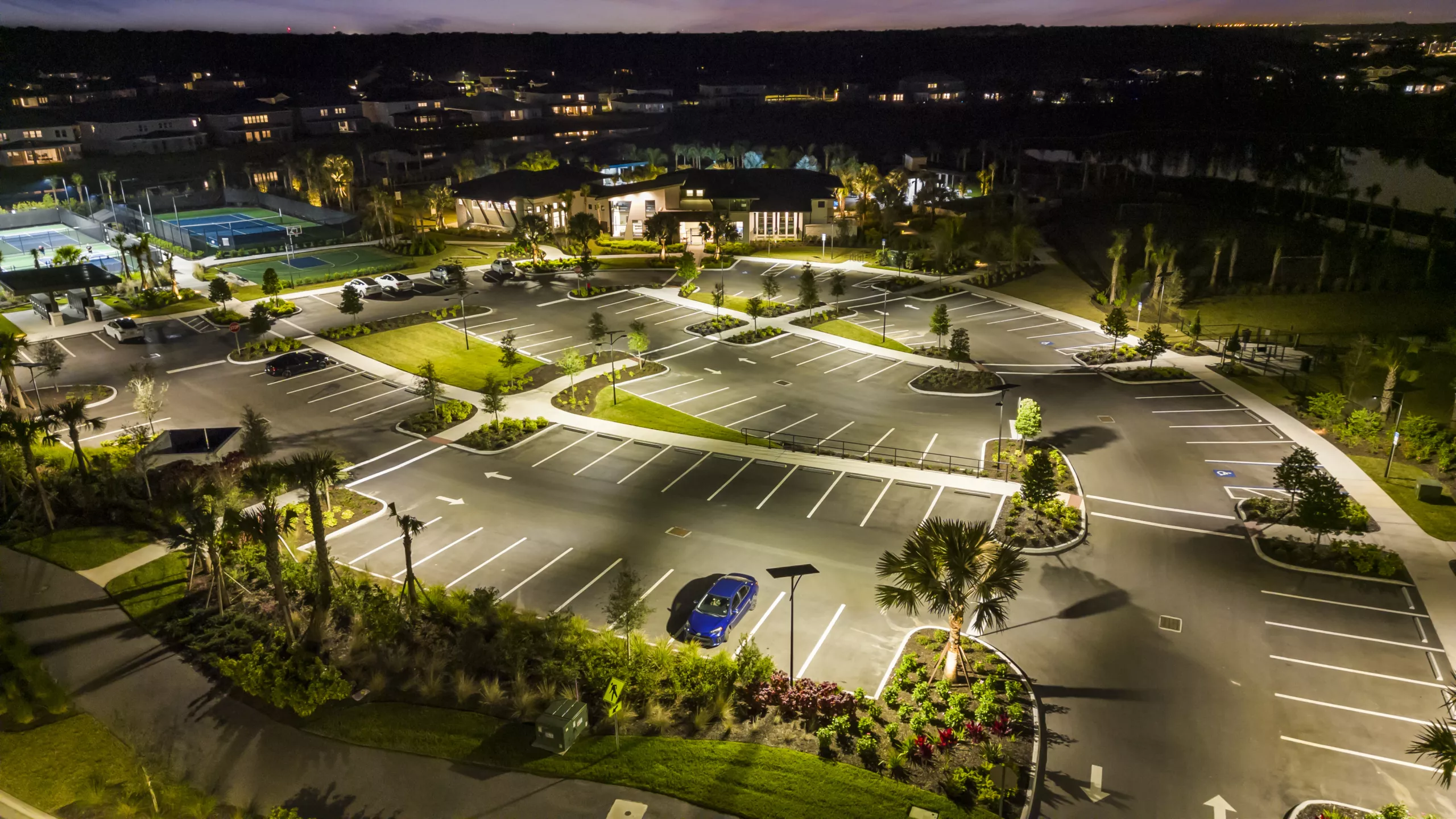
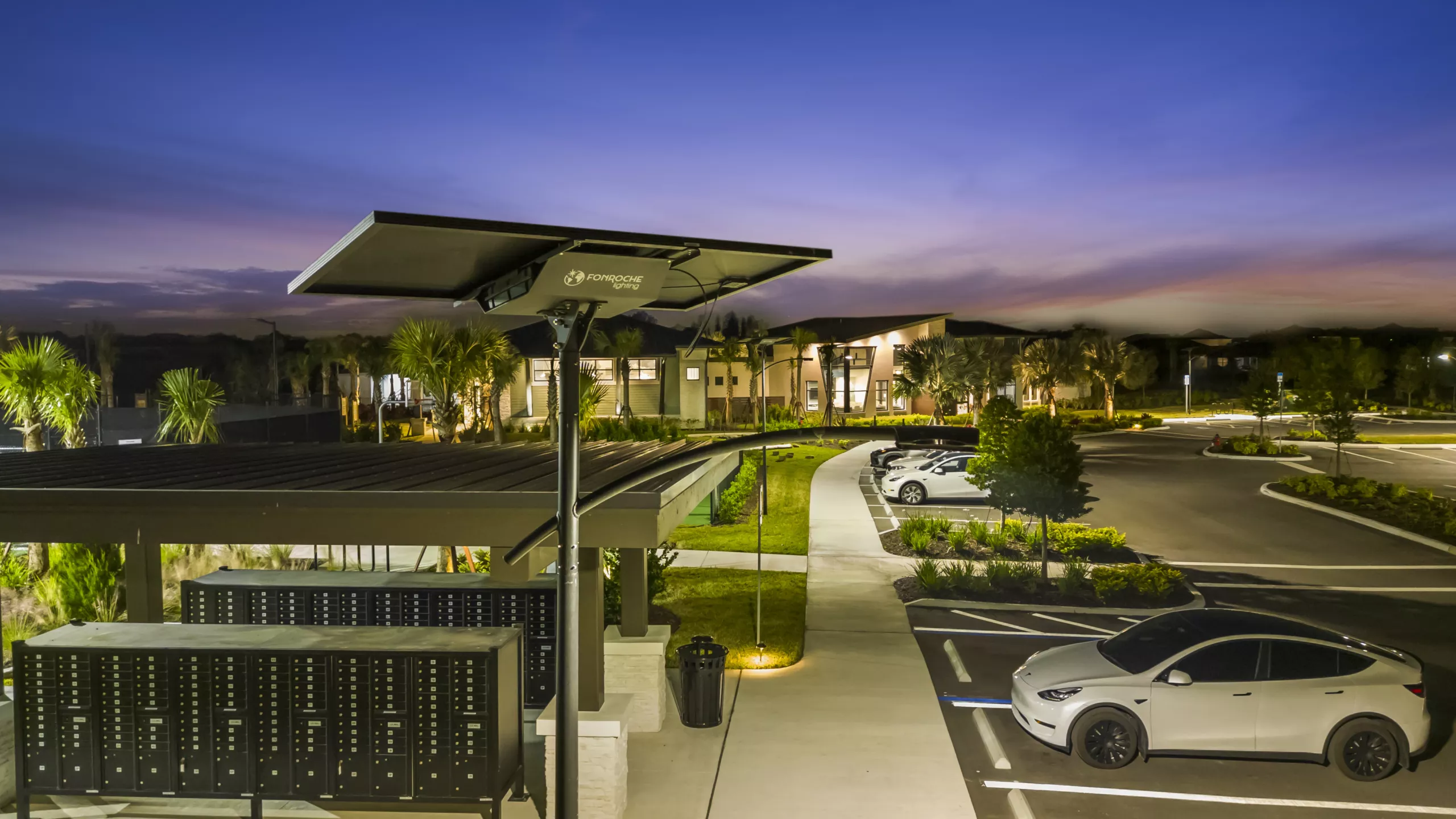
These requirements become especially important when adding lighting along existing Florida roads, developed neighborhoods, parking areas, parks, landscaped properties, or remote locations. Autonomous solar systems generate and store energy at each lighting location, reducing the need to extend electrical infrastructure from pole to pole. Solar installation still requires proper foundations, poles, equipment installation, and project-specific site work, but the electrical infrastructure behind the project can be substantially different.
Upfront Price Doesn't Tell You the Full Project Cost
A meaningful cost comparison should account for the complete infrastructure required to install, power, and operate the lighting system.
For grid-connected projects, the cost extends beyond the fixture and pole. Trenching, conduit, underground cabling, electrical service, utility coordination, site restoration, and ongoing electricity consumption can all contribute to the overall project cost.
Off-grid solar-powered streetlights have a different cost structure. Municipalities need to evaluate the complete autonomous system, including solar collection, energy storage, the luminaire and controls, pole and structural components, foundations, installation, and long-term maintenance requirements. Neither approach is automatically less expensive for every site. The more useful comparison is the total installed project and its long-term infrastructure requirements, rather than the purchase price of individual lighting equipment.
Installation Can Look Very Different on an Existing Site
Adding lighting to an established site can create challenges that go well beyond installing the poles themselves.
Grid-connected installations may require crews to work around existing pavement, roads, sidewalks, underground utilities, and established landscaping. Trenching and electrical work can also affect traffic or pedestrian access and may require coordination with utilities before installation can move forward.
Off-grid solar-powered streetlights can simplify this process where extending electrical service would be difficult or disruptive because power does not need to be distributed between lighting locations. This can be particularly useful when adding lights to already-developed sites. However, where electrical infrastructure is readily accessible near the proposed poles, grid-connected lighting may remain a practical option.
What Happens When Florida's Grid Goes Down?
Grid independence can provide an important advantage during outages, but resilience still depends on how the complete lighting system is engineered.
Hurricanes, severe storms, and flooding can disrupt Florida's electrical infrastructure, including in coastal and flood-prone communities. When electrical service is interrupted, conventional grid-connected streetlights may be affected along with the surrounding grid.
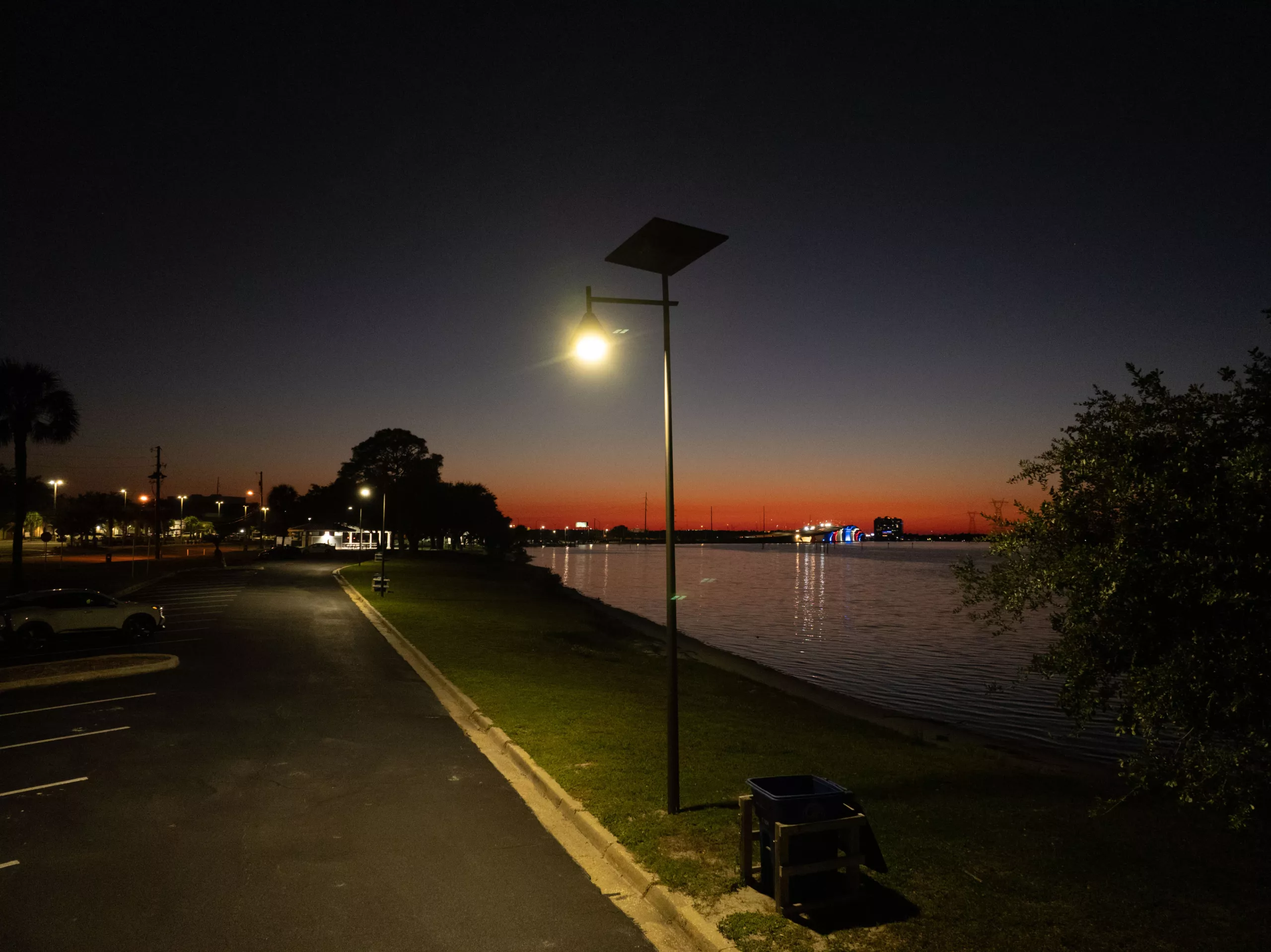
Autonomous solar streetlights generate and store energy independently, allowing lighting operations without relying on utility power. However, grid independence alone does not guarantee reliable performance. System design must account for local solar availability, energy storage capacity, lighting demand, operating schedules, structural requirements, and site-specific weather conditions. Fonroche's Power 365™ technology is designed to manage energy generation, storage, and lighting operation as part of the complete autonomous system.
Site Conditions Can Determine Which Approach Makes More Sense
The best power strategy depends on what already exists at the site and what it would take to support the proposed lighting.
Off-grid solar may be worth evaluating when electrical service is distant; trenching would disrupt roads or established landscapes, lighting locations are remote, or grid independence is a project priority. It can also reduce the complexity of extending electrical infrastructure into areas that are difficult to connect.
Grid-connected lighting, however, may remain practical where electrical service is already readily accessible near the proposed lighting locations. It may also be better suited to sites where buildings, trees, or other conditions significantly limit solar exposure. There is no single approach for every Florida project; site conditions, infrastructure availability, and performance requirements should guide the decision.
Frequently Asked Questions About Off-Grid Solar Street Lighting
An off-grid solar-powered streetlight is an autonomous lighting system that generates electricity from solar energy, stores it in a battery, and uses that stored energy for nighttime illumination. It operates without relying on a connection to the electrical grid.
Yes. Because autonomous solar streetlights generate and store their own energy, they can continue operating independently during grid outages. Reliable operation still depends on proper system sizing, sufficient energy storage, available solar energy, and the lighting schedule required for the project.
It depends on the project. Buyers should compare the complete installed costs, including electrical infrastructure, trenching, wiring, utility coordination, equipment, installation, energy consumption, and long-term maintenance requirements rather than comparing only the purchase price of individual fixtures.
Off-grid solar streetlights can reduce or eliminate the electrical trenching needed to connect multiple lighting locations to grid power. However, installation still requires foundations and may involve other site-specific construction depending on the pole design, location, and project requirements.
Choosing the Right Infrastructure for Your Florida Project
Choosing between grid-connected and autonomous solar lighting starts with the project itself. Electrical access, site conditions, lighting requirements, installation infrastructure, solar availability, energy storage, resilience goals, and long-term planning should all guide the decision.
Fonroche Lighting America helps Florida municipalities and project teams evaluate these factors to determine whether a complete autonomous solar lighting system is the right fit for their site and performance requirements.