
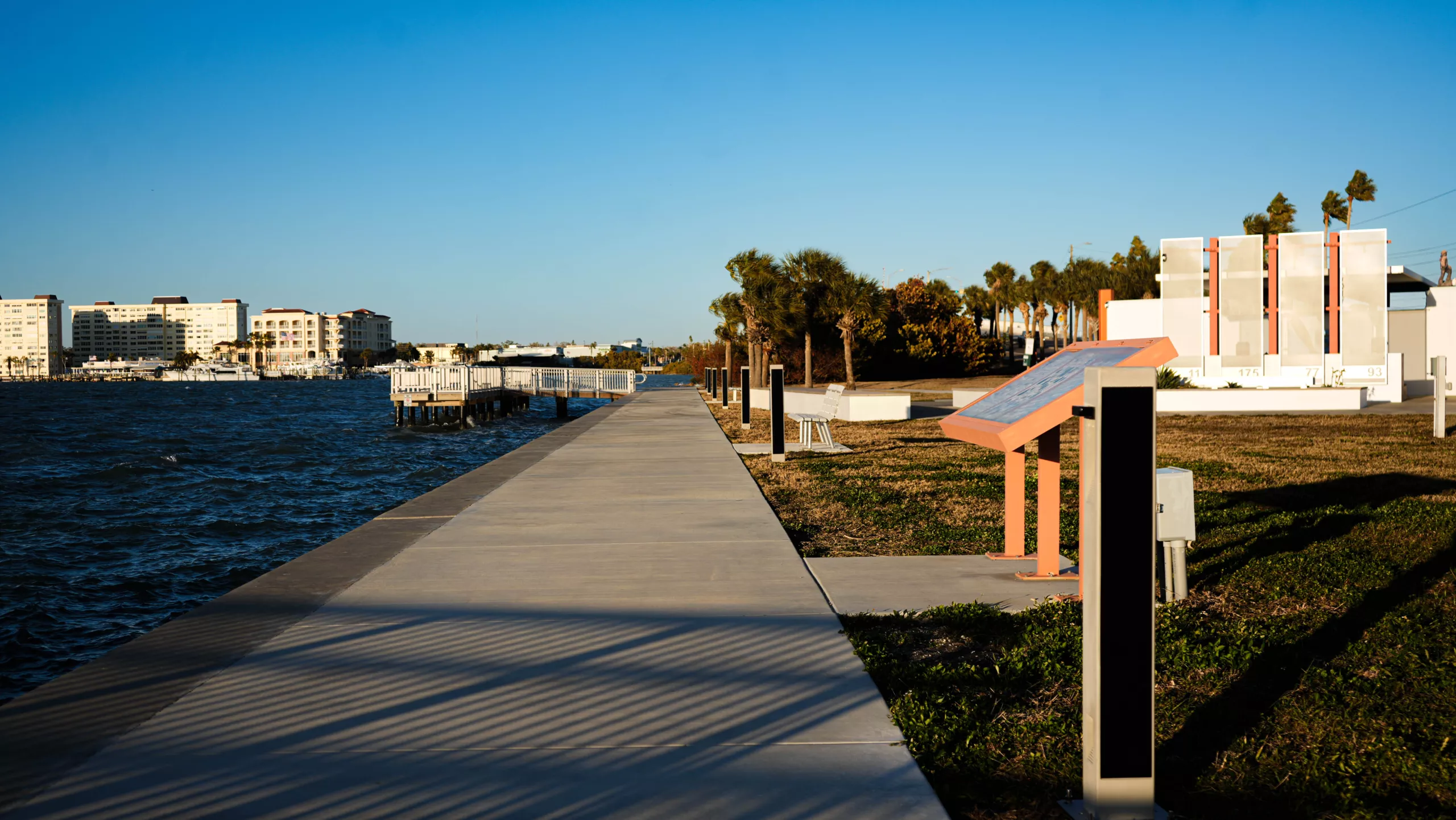
Explore how Florida communities are enhancing parks, trails, campuses, waterfronts, commercial landscapes, and pedestrian pathways with autonomous solar pathway lighting, solar bollards, and crystal studs that improve safety, simplify installation, and support sustainable outdoor infrastructure.
Florida continues to invest in parks, trails, campuses, waterfronts, and pedestrian-friendly public spaces that encourage outdoor recreation and community connectivity. As these projects grow, reliable outdoor lighting has become increasingly important for improving safety, accessibility, and the overall visitor experience. Autonomous solar pathway lighting, solar bollards, and crystal studs offer a practical solution by providing dependable illumination without extensive trenching or utility connections. As communities focus on sustainable infrastructure and preserving existing landscapes, more organizations are turning to solar lighting to enhance Florida’s outdoor environments. This growing demand is one reason why Florida communities are choosing solar pathway lighting.
Why Florida Communities Are Choosing Solar Pathway Lighting
Safe, sustainable, and low-impact lighting helps Florida communities improve parks, trails, campuses, and pedestrian spaces without extensive utility infrastructure.
Florida communities are increasingly choosing solar pathway lighting as they invest in parks, trails, campuses, boardwalks, and other pedestrian-focused spaces. With a growing population and year-round outdoor recreation, reliable pathway lighting has become essential for improving safety, accessibility, and the visitor experience. Autonomous solar pathway lighting simplifies installation by reducing the need for trenching and utility connections while minimizing disruption to existing landscapes. These benefits make it a practical solution for municipalities, developers, and property owners looking to create safe, sustainable outdoor environments across Florida.
Applications for Solar Pathway Lighting Across Florida
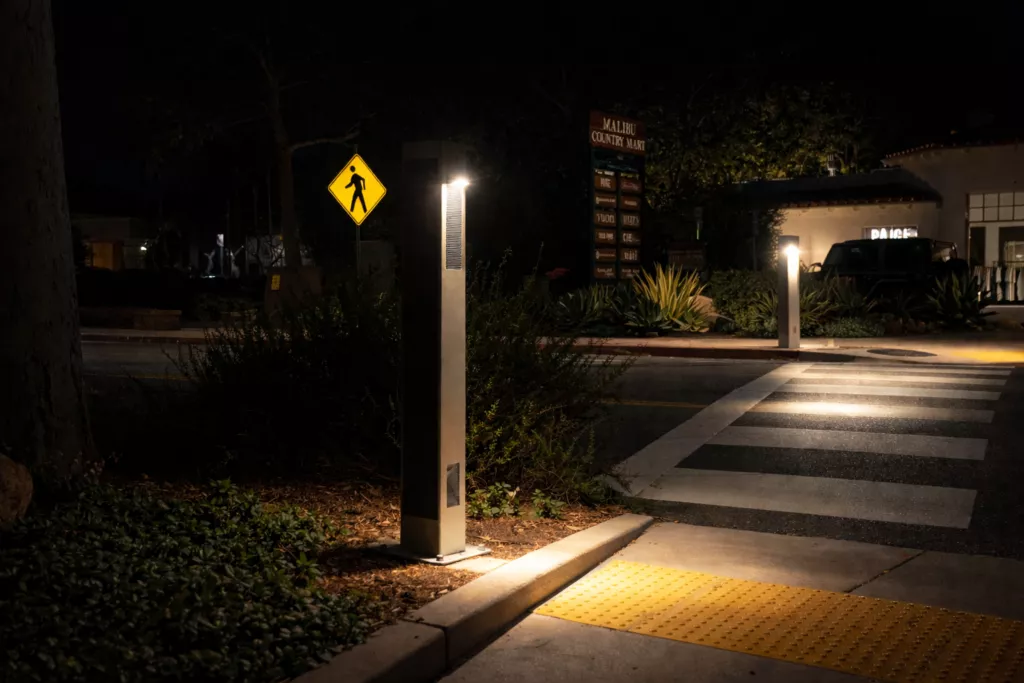
From neighborhood parks to waterfront boardwalks, solar pathway lighting helps create safer, more welcoming outdoor spaces for residents and visitors across Florida.
Parks & Recreation
Florida’s parks and recreational spaces rely on well-lit pathways to create safe, accessible environments for visitors after sunset. Solar pathway lighting helps illuminate walking trails, playgrounds, picnic areas, fitness paths, and public gathering spaces without the need for extensive trenching or underground electrical infrastructure. By minimizing site disruption and reducing installation complexity, autonomous solar lighting provides municipalities and parks departments with a practical solution for enhancing safety while preserving Florida’s natural landscapes.
Trails, Greenways & Boardwalks
Florida’s extensive network of trails, greenways, and waterfront boardwalks attracts residents and visitors throughout the year. Solar pathway lighting improves visibility along pedestrian routes, making these spaces safer and easier to navigate during the evening while avoiding the challenges of extending electrical infrastructure into environmentally sensitive areas.
Schools & Campuses
Schools, colleges, and universities across Florida use outdoor pathways throughout the day and into the evening. Solar pathway lighting helps improve visibility around sidewalks, courtyards, and drop-off areas, creating safer pedestrian routes for students, staff, and visitors while minimizing disruption during installation.
Commercial Landscapes & Mixed-Use Developments
Commercial developments, mixed-use communities, and hospitality properties benefit from solar bollards that clearly define pedestrian walkways and enhance landscaped outdoor spaces. Their autonomous operation eliminates the need for utility connections, making them an attractive option for projects that prioritize both aesthetics and long-term sustainability.
Why Choose Solar Bollards and Crystal Studs?
Solar bollards and crystal studs improve pedestrian safety, guide movement, and enhance outdoor spaces with reliable, low-impact lighting designed for Florida’s diverse environments.
Solar bollards and crystal studs provide an effective way to improve safety and wayfinding in parks, campuses, waterfronts, commercial landscapes, and other pedestrian-focused spaces across Florida. Solar bollards deliver consistent pathway illumination while complementing surrounding architecture and landscaping, making them ideal for walkways, plazas, and public gathering areas. Crystal studs offer low-profile guidance lighting that helps define pedestrian routes, boardwalks, crossings, and shared-use paths without detracting from the surrounding environment.
Because both solutions operate independently of the electrical grid, they eliminate the need for trenching and utility connections, helping simplify installation while reducing site disruption. Their autonomous operation, low maintenance requirements, and durable construction make solar bollards and crystal studs a practical choice for municipalities, developers, parks departments, and property owners looking to create safer, more sustainable outdoor environments throughout Florida.
Solar Pathway Lighting vs. Traditional Pathway Lighting
Choosing between traditional and solar pathway lighting depends on a project’s location, infrastructure, and long-term goals. While both options improve pedestrian visibility, they differ in installation requirements, operating costs, maintenance, and overall project flexibility. The comparison below highlights the key differences to help municipalities, developers, and planners select the most appropriate solution for their outdoor spaces.
| Feature | Traditional Pathway Lighting | Solar Pathway Lighting |
| Power Source | Connected to the electrical grid | Powered by integrated solar panels and batteries |
| Installation | Requires trenching, cabling, and utility coordination | Installs without trenching or utility connections |
| Project Timeline | May be delayed by underground electrical work and utility approvals | Faster deployment with minimal site disruption |
| Operating Costs | Ongoing electricity costs and utility bills | No monthly electricity costs for lighting operation |
| Maintenance | Electrical infrastructure may require periodic repairs and servicing | Low-maintenance design with fewer underground components |
| Expansion | Additional lighting often requires new trenching and electrical infrastructure | Additional fixtures can be installed with minimal disruption |
| Environmental Impact | Construction may disturb existing landscapes and vegetation | Minimizes site disturbance and helps preserve landscaped areas |
| Best Applications | Urban streets and locations with existing electrical infrastructure | Parks, trails, campuses, boardwalks, commercial landscapes, waterfronts, and pedestrian pathways |
Frequently Asked Questions About Florida Solar Pathway Lighting
Find answers to common questions about solar pathway lighting, solar bollards, and crystal studs for parks, trails, campuses, commercial landscapes, and other pedestrian spaces across Florida.
Florida’s year-round outdoor lifestyle and growing investment in parks, trails, campuses, and public spaces make solar pathway lighting a practical solution. Autonomous solar lighting improves pedestrian visibility while reducing the need for trenching and utility connections, making it well suited for both new developments and existing landscapes.
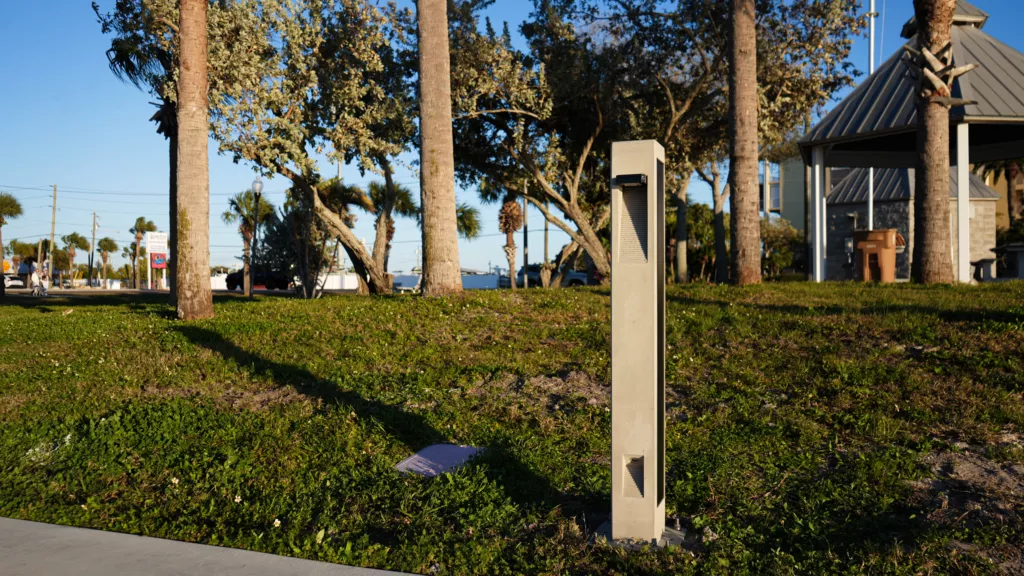
Solar bollards are commonly used along pedestrian pathways, parks, trails, waterfronts, boardwalks, campuses, commercial landscapes, residential communities, plazas, and public gathering spaces. They help define walking routes, improve visibility, and enhance the overall appearance of outdoor environments.
Yes. Solar bollards are frequently installed in parks, recreational trails, and nature areas where traditional electrical infrastructure may be difficult or undesirable to install. Their autonomous operation allows for reliable pathway illumination while minimizing disruption to surrounding landscapes.
Crystal studs are solar-powered ground-level lighting markers designed to improve visibility and guide pedestrians along pathways, crossings, boardwalks, shared-use trails, and other outdoor spaces. They help define travel routes while maintaining a discreet, low-profile appearance
Well-designed solar pathway lighting helps improve visibility along sidewalks, trails, parks, campuses, and public gathering areas, making it easier for pedestrians to navigate after dark. By clearly illuminating walking routes, it can contribute to a safer and more comfortable outdoor experience.
When planning pathway lighting, Florida communities should evaluate pedestrian activity, site layout, available sunlight, landscape preservation, accessibility needs, lighting levels, maintenance requirements, and the overall goals of the project. Choosing lighting solutions that integrate well with the surrounding environment can help create safe, attractive, and sustainable public spaces.
Creating Safer and More Sustainable Outdoor Spaces Across Florida
Whether you’re planning a park, trail, campus, waterfront, or commercial landscape project, Fonroche Lighting America’s NOWATT collection of solar pathway lighting, solar bollards, and crystal studs provides autonomous outdoor lighting solutions that enhance pedestrian safety, complement surrounding landscapes, and support long-term sustainability across Florida.