
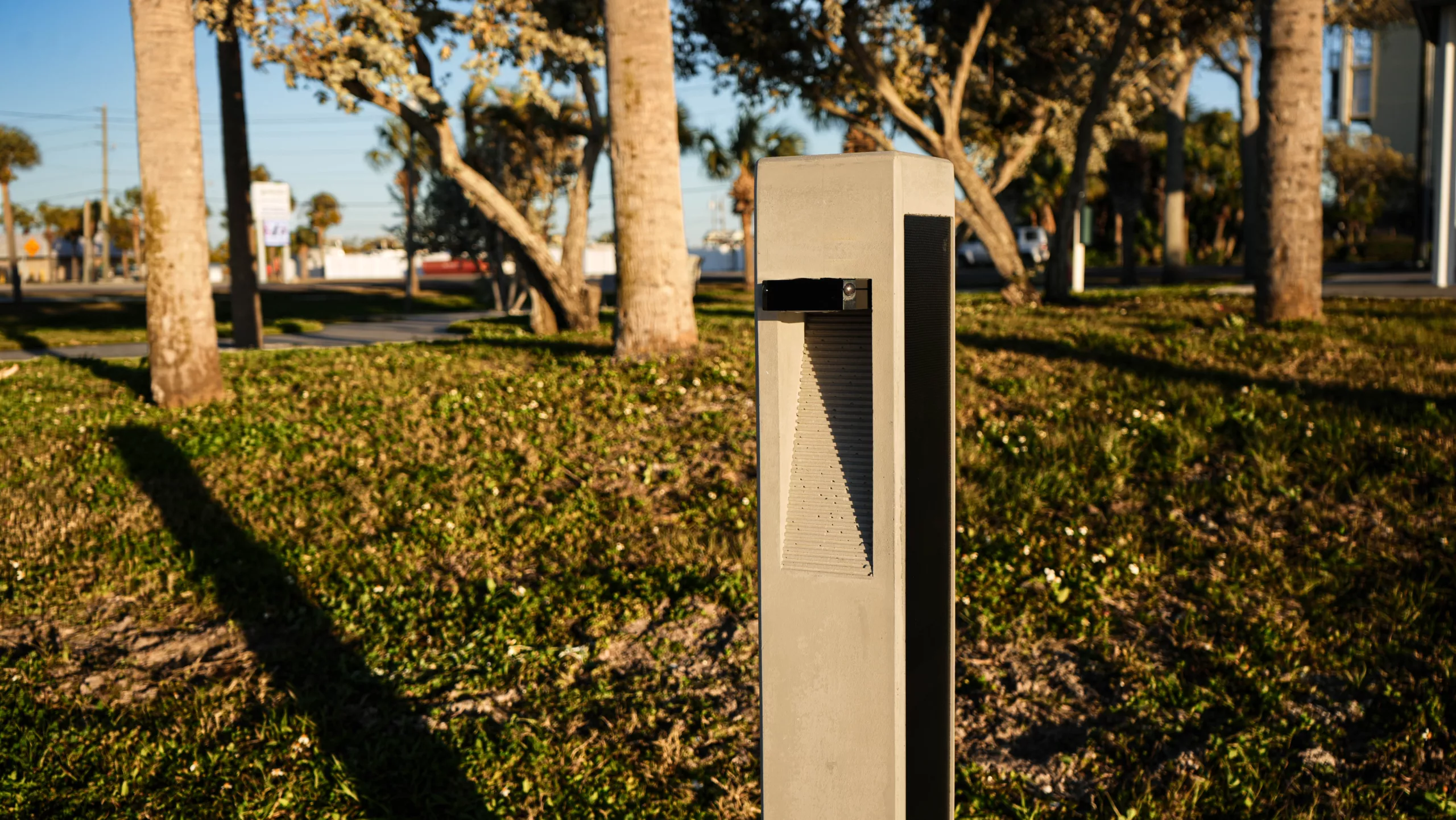
Solar Lighting for Flood-Prone Public Spaces in Florida
Florida's public spaces are increasingly being designed to withstand the realities of a changing environment. From waterfront parks and boardwalks to trails, campuses, mixed-use developments, and coastal promenades, communities across the state are investing in outdoor spaces that promote recreation, accessibility, and economic growth. At the same time, these projects must contend with frequent heavy rainfall, seasonal flooding, hurricanes, storm surge, and evolving stormwater management requirements that place additional demands on public infrastructure.
Reliable outdoor lighting plays a vital role in ensuring these spaces remain safe, welcoming, and functional after dark. Well-planned pedestrian lighting improves visibility, enhances wayfinding, supports accessibility, and extends the usability of parks, pathways, and public gathering areas for residents and visitors alike. As Florida continues to prioritize resilient infrastructure and waterfront redevelopment, selecting lighting systems that align with the state's environmental conditions has become an increasingly important part of project planning.
However, installing traditional grid-connected lighting in flood-prone environments often presents additional challenges. Underground electrical infrastructure, trenching, utility coordination, existing stormwater systems, coastal corrosion, and long-term maintenance can all influence project timelines, costs, and future maintenance requirements. In many locations, these factors encourage project teams to evaluate alternative lighting approaches that minimize site disruption while supporting reliable pedestrian illumination. Autonomous solar lighting has become an increasingly practical option for many Florida projects because it operates independently of the electrical grid and eliminates the need for extensive underground wiring. By understanding site conditions, pedestrian needs, environmental exposure, and long-term maintenance considerations, municipalities, developers, engineers, and property owners can select lighting solutions that help create safer, more resilient public spaces across Florida.
Why Flood-Prone Areas Require a Different Lighting Strategy
Flood-prone environments present unique challenges that can influence how outdoor lighting systems are designed, installed, and maintained. Standing water, seasonal flooding, salt exposure in coastal areas, and severe weather can place additional demands on lighting infrastructure, while underground electrical systems may be more vulnerable to disruption during major storm events or utility outages.
Traditional grid-connected lighting often requires trenching, conduit installation, and ongoing coordination with existing underground utilities, making projects more complex in areas with stormwater infrastructure or frequent flooding. These conditions can also increase maintenance requirements over time, particularly in coastal environments where moisture and salt exposure accelerate wear on outdoor equipment.
As Florida communities continue investing in resilient public infrastructure, many project teams are evaluating lighting solutions that reduce reliance on underground electrical connections while supporting safe, reliable illumination for parks, pathways, waterfronts, and other public spaces.
Common Florida Locations That Benefit from Autonomous Solar Lighting
Parks
Public parks are often designed to encourage recreation, community gatherings, and year-round outdoor activities. Autonomous solar lighting can help illuminate walking paths, picnic areas, playgrounds, and open spaces without extensive trenching, making it a practical option for both new developments and park improvement projects.
Boardwalks
Florida's boardwalks are regularly exposed to coastal conditions, moisture, and heavy pedestrian traffic. Autonomous solar lighting can provide dependable illumination while reducing the need for underground electrical infrastructure in environmentally sensitive waterfront locations.
Trails
Multi-use trails, nature paths, and recreational corridors often extend beyond areas served by traditional utilities. Solar lighting can help improve visibility at trailheads, intersections, bridges, and other key access points while preserving the surrounding environment.
HOAs
Homeowners' associations often seek lighting solutions that enhance community safety, improve curb appeal, and support long-term maintenance goals. Autonomous solar lighting can be used to illuminate neighborhood entrances, walking paths, parks, and shared amenities without increasing electricity consumption.
Commercial Developments
Commercial properties, mixed-use developments, and retail centers benefit from reliable pedestrian lighting that improves visibility and enhances the visitor experience. Solar lighting can support pathways, plazas, landscaped areas, and parking connections while offering greater flexibility for phased developments and future expansion.
Challenges of Installing Traditional Lighting
Installing traditional grid-connected lighting in Florida's flood-prone public spaces often involves more than placing light fixtures. Projects typically require trenching, utility coordination, electrical permits, and careful planning around existing underground infrastructure, including water lines, stormwater systems, irrigation networks, and communication utilities. In established parks, campuses, waterfronts, and commercial developments, installation may also require pavement cutting, landscape restoration, and efforts to minimize disruption to mature trees and surrounding public spaces.
These additional construction requirements can increase project complexity, extend installation timelines, and add restoration work after construction is complete. For projects where minimizing site disturbance and reducing reliance on underground electrical infrastructure are priorities, many municipalities, developers, and engineers are exploring autonomous solar lighting as an alternative approach that can simplify deployment while supporting reliable pedestrian illumination.
Why Autonomous Solar Lighting Fits Flood-Prone Projects
Autonomous solar lighting offers a practical alternative for Florida projects where flooding, utility access, and site disruption are important considerations. Because each lighting unit operates independently of the electrical grid, there is no need for underground wiring or extensive utility connections. This can simplify installation in parks, waterfronts, boardwalks, trails, and other public spaces where trenching may be difficult or undesirable. By eliminating much of the underground electrical work associated with traditional lighting, autonomous systems can reduce construction impacts on existing landscapes, stormwater infrastructure, and pedestrian areas while helping projects move forward more efficiently. They also provide greater flexibility for phased developments, allowing additional lighting to be installed as parks, campuses, or commercial properties expand over time. Fonroche Lighting America's Power 365™ technology is designed to support autonomous operation throughout the year by intelligently managing stored energy based on site conditions and lighting requirements. Combined with thoughtful project planning, autonomous solar lighting can help municipalities, developers, and engineers deliver reliable pedestrian lighting while minimizing disruption to Florida's flood-prone public spaces.
Choosing the Right NOWATT Product
BRUT
NOWATT BRUT is well suited for parks, recreational trails, and landscaped public spaces where a low-profile lighting solution is desired. Its architectural design provides comfortable pedestrian illumination while blending naturally into outdoor environments, making it a strong choice for community parks, walking paths, and green spaces.
OKO
NOWATT OKO is designed for projects that combine functionality with architectural aesthetics. It is ideal for campus walkways, commercial developments, plazas, and pedestrian pathways where lighting should complement the surrounding landscape while providing safe and reliable illumination.
FOLLOW
NOWATT FOLLOW is an excellent option for wider pedestrian corridors and public walkways that require broader light distribution. It helps improve visibility along shared-use paths, public gathering spaces, and heavily used pedestrian routes while maintaining a modern architectural appearance.
FOLLOW UP
NOWATT FOLLOW UP is designed for larger pathway networks and projects that require consistent illumination across extended pedestrian areas. It is well suited for expansive parks, campuses, commercial properties, and public spaces where lighting systems may need to grow alongside future development phases.
Crystal Studs
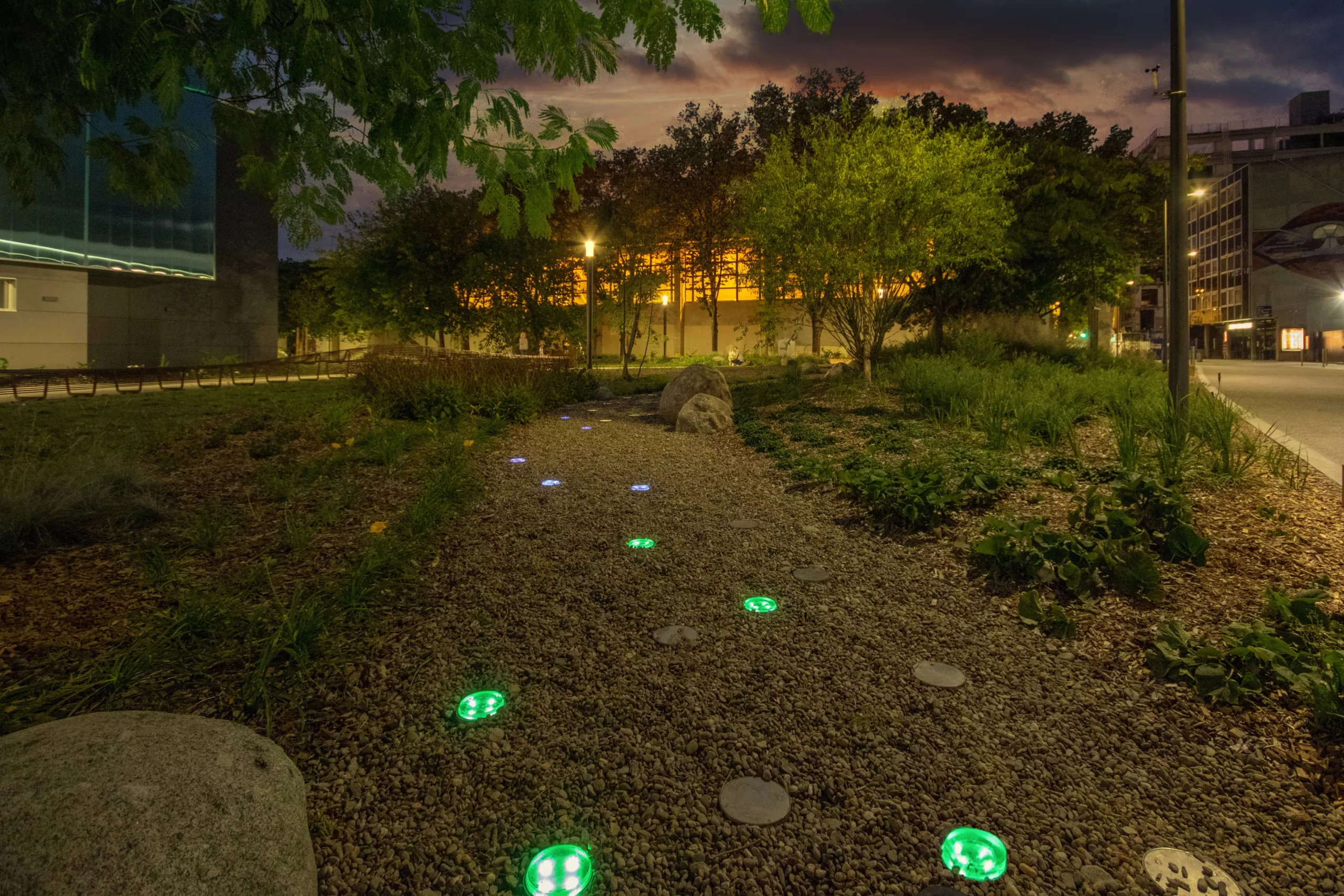
NOWATT Crystal Studs provide embedded lighting that helps define pedestrian routes, improve wayfinding, and increase visibility at crossings, boardwalks, entrances, and other key navigation points. They are often used alongside pathway lighting or solar bollards to create a safer and more intuitive pedestrian experience without adding additional vertical fixtures.
Planning Checklist for Florida Projects
Before selecting a solar lighting system, project teams should evaluate the site's environmental conditions, operational needs, and long-term objectives. Consider whether the location is prone to flooding, the expected level of pedestrian traffic, and whether the project is located along a waterfront or in a coastal environment where salt exposure may influence equipment selection. It's also important to assess available sunlight, maintenance accessibility, and whether the lighting system will need to support future expansion.
The checklist should also include practical considerations such as the availability of utility infrastructure, the desired nightly operating hours, and the overall goals of the project. Taking the time to answer these questions early in the planning process helps municipalities, developers, engineers, and property owners select a lighting solution that aligns with the site's conditions while supporting long-term performance and reliability.
Florida Project Planning Checklist
-
- Is the site located in a flood-prone or low-lying area?
-
- What level of pedestrian traffic is expected?
-
- Is the project located along a waterfront or coastal environment?
-
- Will salt air or moisture affect long-term performance?
-
- Does the site receive adequate sunlight throughout the year?
-
- Is future expansion planned?
-
- Is utility infrastructure available, or would trenching be required?
-
- How will the lighting system be maintained?
-
- What operating hours and illumination levels are required?
Frequently Asked Questions About Solar Lighting in Florida.
Solar lighting can be an effective solution for flood-prone parks when the system is selected and designed to suit the site's environmental conditions. Factors such as flood risk, drainage, solar exposure, and pedestrian activity should all be evaluated during project planning.
Yes. Solar bollards can be used in coastal environments when the lighting system is appropriate for the site's conditions. Project teams should consider salt exposure, wind, moisture, and long-term maintenance requirements during product selection.
Like any outdoor infrastructure, solar lighting systems should be designed with local environmental conditions in mind. Site exposure, mounting methods, and engineering requirements all play an important role in how lighting systems perform during severe weather events.
Not typically. Crystal Studs are designed to complement pathway lighting by improving route definition, highlighting crossings, and supporting wayfinding. They are often used alongside solar bollards or pathway lights rather than replacing them.
One of the key advantages of autonomous solar lighting is that it operates independently of the electrical grid, eliminating the need for underground wiring and significantly reducing trenching compared to traditional lighting installations.
Conclusion
Lighting flood-prone public spaces in Florida requires more than selecting the right fixture; it requires understanding the site's environmental conditions, pedestrian needs, and long-term maintenance goals. Factors such as flooding, coastal exposure, trenching challenges, and future expansion all play an important role in determining the most appropriate lighting solution.
Autonomous solar lighting offers an alternative approach by eliminating the need for underground wiring, reducing installation disruption, and operating independently of the electrical grid. When combined with thoughtful planning and site-specific design, it can help municipalities, developers, engineers, and property owners deliver reliable pedestrian lighting that supports safer, more resilient public spaces throughout Florida.
Planning a Flood-Prone Lighting Project?
Every Florida project has unique environmental conditions, infrastructure requirements, and lighting goals. Whether you're planning a park, waterfront, boardwalk, campus, commercial development, or pedestrian pathway, Fonroche Lighting America can help you evaluate your site and recommend the most appropriate NOWATT autonomous solar lighting solution for your application.