
Solar Bollards or Crystal Studs: Choosing Lighting for South Carolina Pathways
South Carolina pathways serve a variety of settings, from Charleston hotel walkways and Columbia University courtyards to Greenville Park entrances and coastal hospitality grounds. Choosing the right lighting starts with understanding how people use each space after dark. Do pedestrians need illumination across the walking surface, discreet route guidance, or a combination of both? For project teams evaluating solar pathway lights in South Carolina, NOWATT solar bollards and Crystal Studs offer distinct approaches to pathway visibility, helping planners match lighting solutions to site conditions and nighttime requirements.
Illumination vs. Route Guidance: What Does Your Pathway Need?
Choosing the right solar pathway lights in South Carolina starts with understanding what pedestrians need to see after dark.
- Pedestrian illumination: Helps people see walking surfaces, nearby obstacles, and their immediate surroundings.
- Route guidance: Uses visible points of light to indicate pathway edges, direction, or connections between areas.
- Combined lighting: Pairs illumination where needed with additional visual guidance to help define the pathway.
For example, a Columbia campus route used overnight may require broader illumination, while a Charleston courtyard with existing lighting might benefit from supplementary markers. These are potential applications, not documented for NOWATT installations.
Route markers alone should not be assumed to provide sufficient visibility around steps, uneven surfaces, or other hazards. Project teams should assess site conditions and applicable lighting and safety requirements before selecting a solution.
When Solar Bollards Are the Right Choice for Pathways
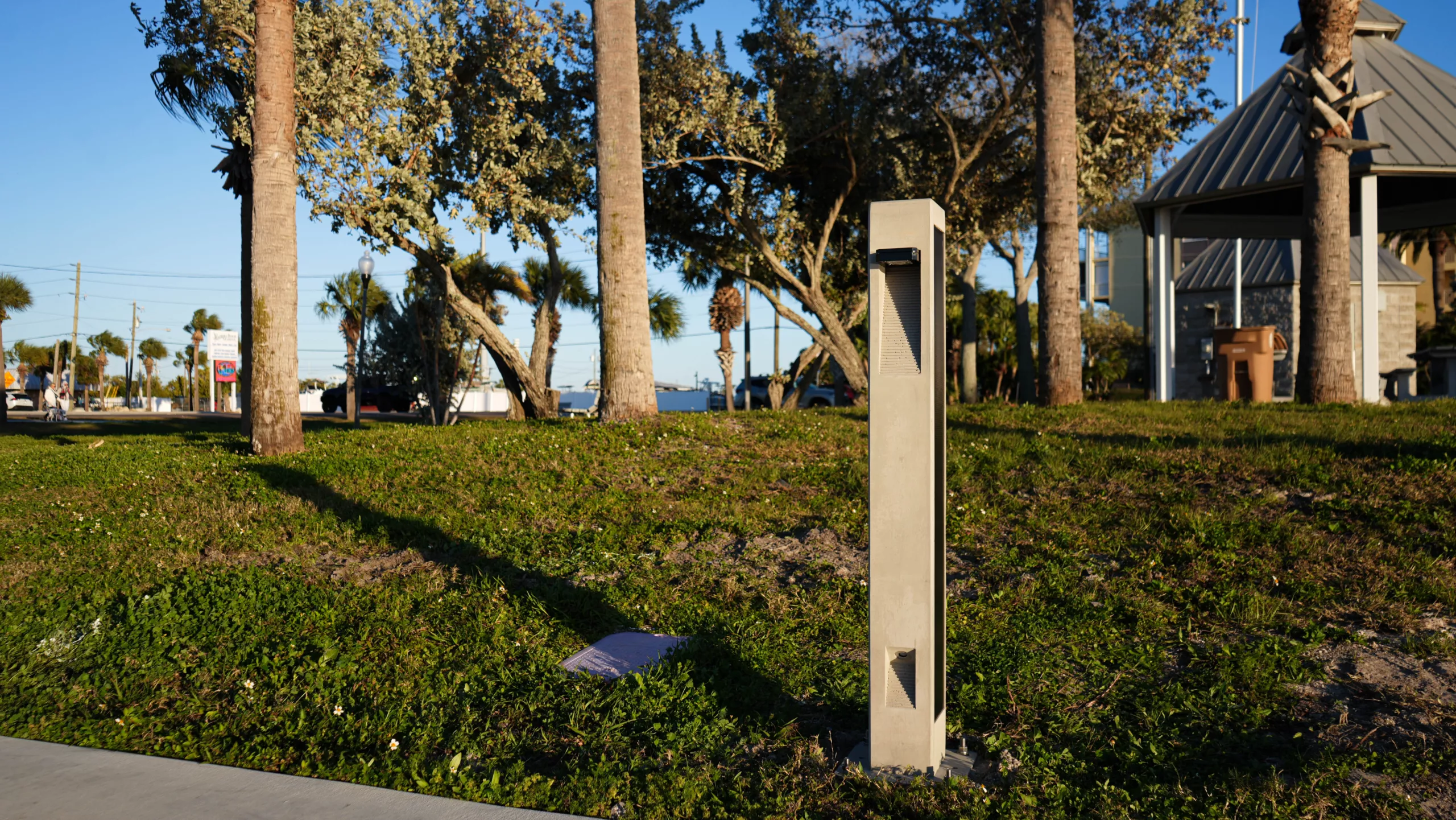
Solar bollards can be worth evaluating when a pathway needs pedestrian illumination rather than route marking alone. NOWATT BRUT, OKO, and FOLLOW offer options to consider based on project lighting objectives, site layout, and design requirements.
Before selecting a bollard, project teams should assess:
- Light distribution: How effectively light reaches the intended walking surface.
- Height, spacing, and glare: How fixture placement affects visibility and pedestrian comfort.
- Materials and aesthetics: How does the design complement the surrounding landscape and architecture?
- Installation and maintenance: Mounting requirements, access for servicing, and clearance around fixtures.
- Operating hours: Whether the system can meet the site’s expected nighttime lighting schedule.
For example, Greenville Park entrances may need lighting along connecting paths and gathering spaces. Columbia University courtyards may require illumination between buildings, while Hilton Head hospitality walkways may benefit from lighting along routes connecting guest accommodation and amenities. These are potential applications, not documented for NOWATT installations.
Appearance matters, but final selection should be guided by documented lighting performance and site-specific requirements. Explore NOWATT solar bollards to evaluate suitable options for your project.

When Crystal Studs Are the Better Choice for Pathway Marking
Crystal Studs are worth considering when a pathway needs subtle route marking, visual definition, or continuity between pedestrian areas. Rather than providing broad illumination across a walking surface, discreet markers can help distinguish a route within a wider lighting design.
Potential applications include defining pedestrian routes through open plazas, marking garden path alignments, connecting destinations visually, and complementing existing outdoor lighting.
In South Carolina, Charleston courtyard paths could incorporate markers to define routes through landscaped spaces, while Myrtle Beach hospitality plazas could use them to visually connect pedestrian areas. These are potential applications, not documented NOWATT installations.
Before selecting Crystal Studs, project teams should evaluate surface compatibility, installation requirements, exposure to sunlight, and expected operating conditions. Most importantly, route markers should not automatically replace fixtures needed to illuminate walking surfaces, steps, or potential hazards.
Explore Crystal Stud solar pathway markers to assess their potential role in your pathway lighting design.
Planning Solar Pathway Lighting Around South Carolina Site Conditions
Trees, Buildings, and Solar Exposure
Solar pathway lighting depends on adequate sunlight reaching the system’s solar panels. Along Greenville Park paths, mature tree canopies may create shaded areas. Charleston courtyards may experience building-related shade, while planted campus connections in Columbia can have changed sunlight conditions throughout the year. Assess solar exposure at each proposed fixture location, accounting for seasonal shading and future vegetation growth. The available solar energy must support the project’s required operating schedule.
Surfaces, Drainage, and Coastal Exposure
Solar bollards require suitable foundations, secure mounting, and sufficient clearance for maintenance. Crystal Studs require compatible surfaces, appropriate preparation, and installation in accordance with product specifications. For coastal properties in Myrtle Beach and Hilton Head, evaluate drainage, site exposure, and environmental conditions against the manufacturer’s documentation rather than assuming resistance to salt, flooding, or severe storms. Both fixture types should be positioned to avoid obstructing pedestrians, interfering with accessible routes, or creating conflicts with groundskeeping equipment.
For additional guidance, explore our upcoming article on planning solar landscape lighting in South Carolina.
Can Solar Bollards and Crystal Studs Work Together?
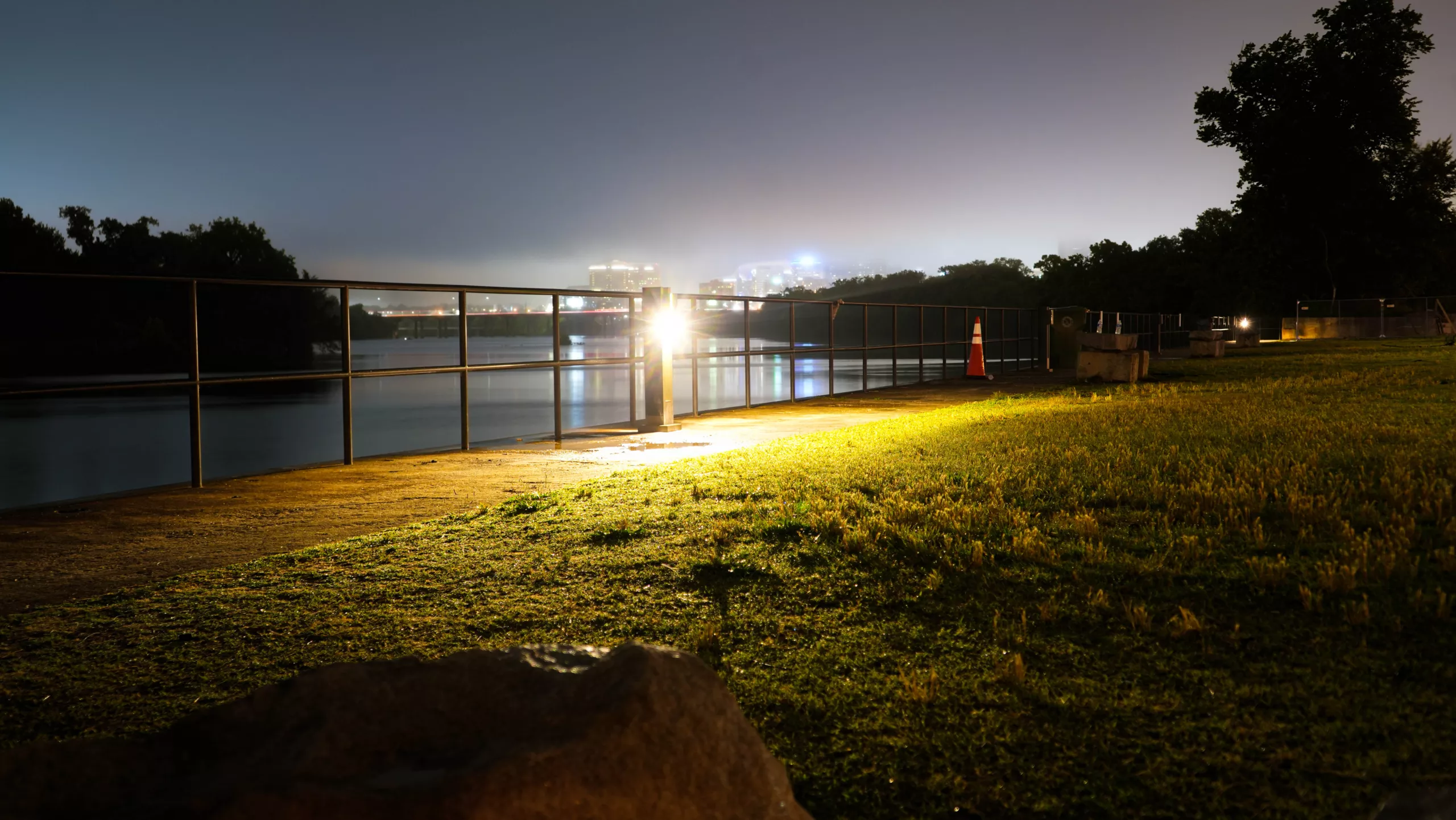
Solar bollards and Crystal Studs can serve complementary functions when a pathway needs both pedestrian illumination and route definition. For example, a South Carolina hotel could evaluate bollards along a suitably sunlit pedestrian connection and Crystal Studs to define a route through an adjoining courtyard. This is a potential application, not a documented NOWATT installation.
A coordinated layout should consider four factors:
- Visual consistency: Ensure both products complement the property’s landscape and architectural design.
- Operating schedules: Check that each system meets the intended hours of use.
- Lighting restraint: Avoid unnecessary or distracting light that could affect guests or nearby properties.
- Transition coverage: Assess visibility where pathways connect courtyards, entrances, and shared spaces.
Combining products should address a clearly defined lighting need, not replace an assessment of required illumination, pedestrian safety, and applicable lighting standards.
When Pathways Need Broader Solar Illumination
Some outdoor spaces require more than pathway marking or localized pedestrian lighting. Wider walkways, gathering areas, parking lot connections, and access roads may call for a lighting solution designed to provide broader coverage.
For example, a South Carolina municipal park entrance connecting a pedestrian path with a parking area may require different levels of illumination across the route and surrounding space. In these situations, project teams can evaluate NOWATT Smart Light as a potential option, subject to site conditions, documented product performance, and a suitable lighting design. The final selection should account for pedestrian and vehicle movement, required illumination levels, and applicable safety standards.
Explore our solar park and pathway lighting solutions to assess options for your project.
Solar Pathway Lighting in South Carolina: Questions to Ask Before Choosing a Solution
The right choice depends on the pathway’s purpose. Solar bollards are designed to provide pedestrian illumination, while Crystal Studs can help define routes, mark pathway edges, and connect outdoor spaces visually. Some projects may benefit from both.
Not necessarily. Pathway markers help identify routes, but their visibility does not guarantee sufficient illumination across the walking surface. Areas with steps, uneven terrain, or other hazards may require additional lighting based on a site-specific assessment.
They may be suitable if the system receives enough sunlight to meet its operating requirements. Evaluate tree canopy, nearby buildings, seasonal shading, and future vegetation growth before determining fixture placement.
Yes. Bollards can illuminate pedestrian areas while Crystal Studs provide supplementary route definition. Coordinating their placement, appearance, and operating schedules helps create a consistent lighting layout without unnecessary illumination.
Properties in Charleston, Myrtle Beach, and Hilton Head should evaluate sunlight availability, drainage, mounting conditions, maintenance access, and documented product suitability for coastal exposure. Confirm these factors against manufacturer specifications before selecting a system.
Choose the Right Solar Lighting for Your South Carolina Pathway
The right pathway lighting starts with understanding how people use the space, whether they need pedestrian illumination, route guidance, or both. Assessing sunlight, surface conditions, and site requirements helps narrow the options. Fonroche Lighting America can help your project team evaluate suitable solutions for your outdoor environment.