
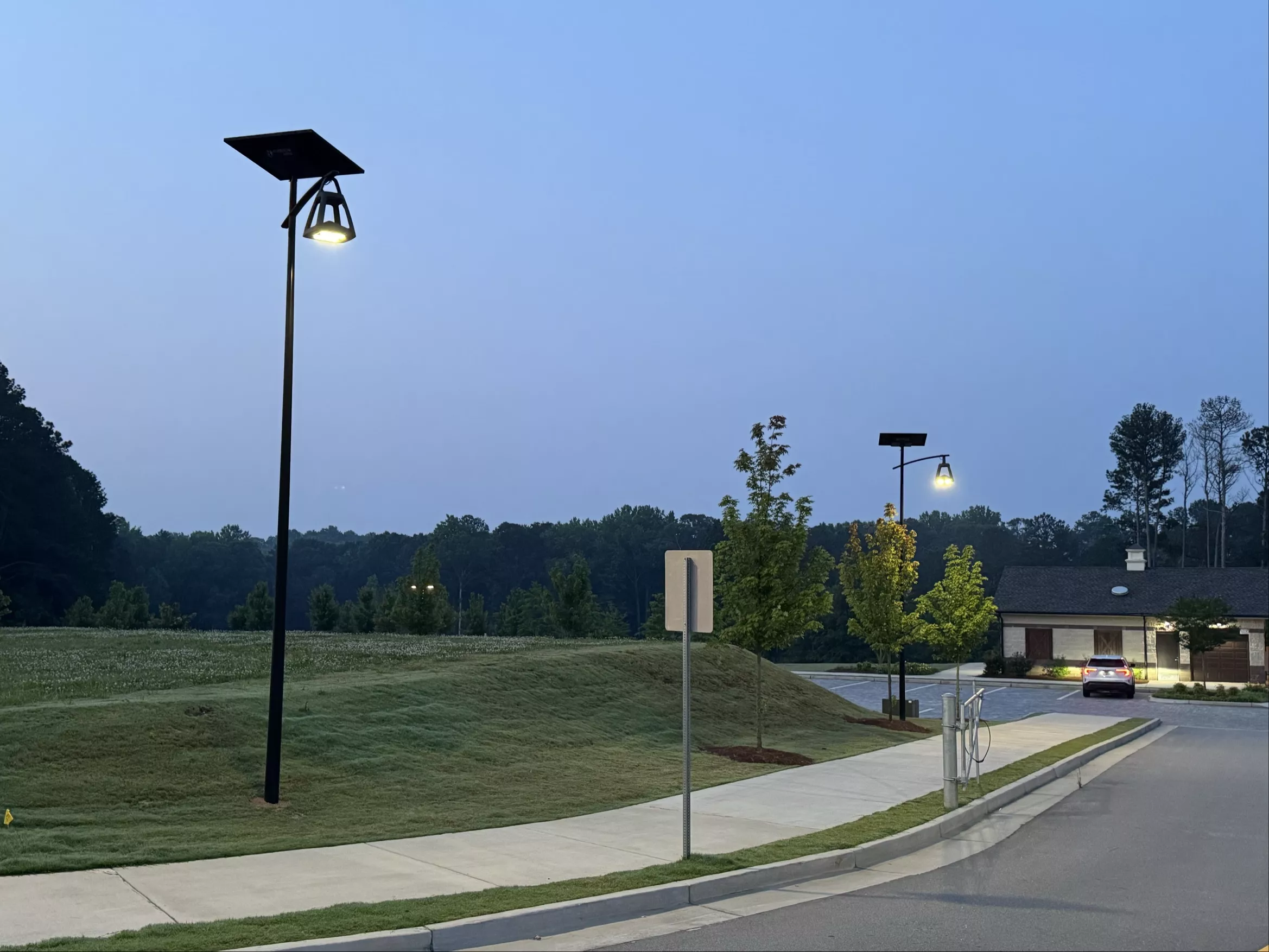
Across Georgia, municipalities are improving parks, greenways, pedestrian pathways, and public gathering spaces to accommodate community activities after dark. Effective lighting begins with understanding how people move through these areas and where visibility is needed most.
Providing illumination without disturbing established landscapes or extending electrical infrastructure can present challenges. From pedestrian visibility to pathway guidance and broader area illumination, solar lighting in Georgia offers different solutions depending on the space, its intended use, and surrounding site conditions.
Understand How People Use Public Spaces After Dark
Design Lighting Around Evening Activities
In Georgia’s municipal parks, greenways, university campuses, civic plazas, and waterfront pathways, nighttime activity varies from walking, jogging, and cycling to community events and informal gatherings. Busy entrances, playgrounds, and seating areas may need greater visibility than quieter pedestrian routes.
Parks and recreation teams should consider where people gather, how they move between destinations, and when each area is open. Seasonal changes in daylight and event schedules can also influence required operating hours.
Matching lighting levels and placement to these activities helps create usable public spaces without treating every pathway and recreational area the same.
Understand Functional Illumination Versus Route Guidance
Not every pedestrian area requires the same lighting approach. The distinction lies in whether visitors need clear visibility of their surroundings or guidance along a designated route.
Functional Illumination
Functional lighting helps pedestrians identify obstacles, uneven surfaces, and elevation changes. Even light distribution supports comfortable visibility, while proper fixture placement minimizes glare and unwanted light spill into surrounding landscapes.
Route Guidance
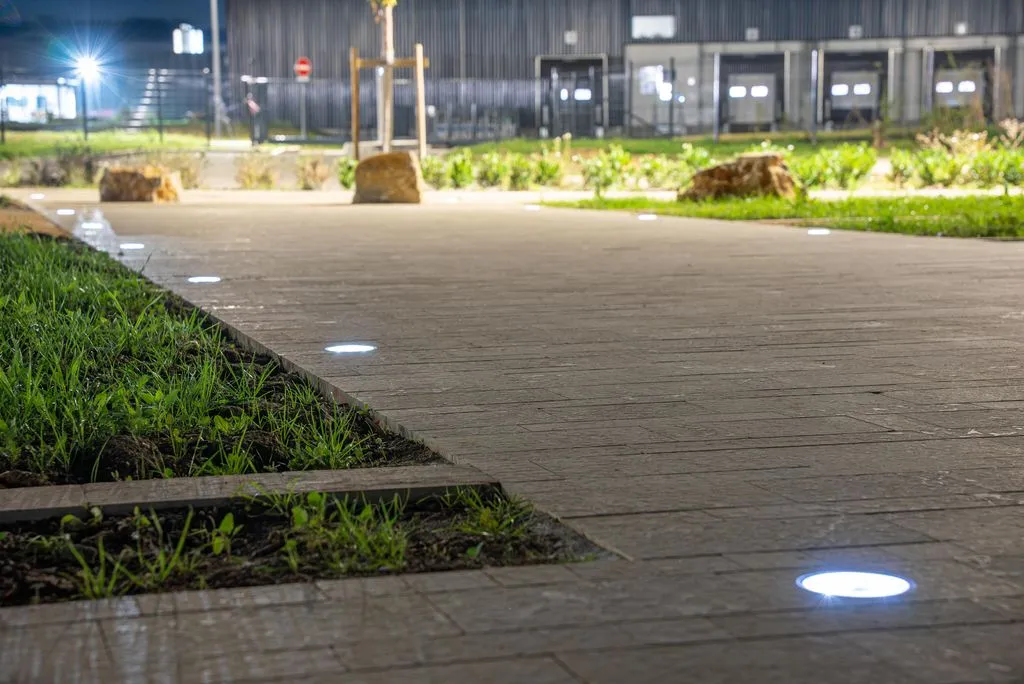
Route guidance uses low-level lighting markers to define pathway edges, indicate direction, and highlight intersections or transitions. These markers can complement broader illumination but do not provide the same visibility across walking surfaces.
Where pedestrians need to clearly identify obstacles and surrounding conditions, functional illumination remains essential.
Choosing Between Solar Bollards and Crystal Studs
NOWATT Solar Bollards for Pedestrian Illumination
For walkways, plazas, campuses, and landscaped paths, NOWATT solar bollards provide pedestrian-scale illumination without the height of traditional streetlight poles. Products such as FOLLOW, BRUT, and OKO offer different designs and materials, allowing Georgia planners to integrate lighting into established outdoor environments.
NOWATT Crystal Studs for Pathway Guidance
NOWATT Crystal Studs are recessed, ground-level solar markers designed to identify pathway edges, directional changes, and transitions. Their low-profile design suits plazas, walkways, and public spaces where discreet visual guidance is preferred.
Bollards provide functional pedestrian illumination, while crystal studs primarily define routes. Depending on the site’s requirements, both solutions can complement each other.
Use SmartLight Where Broader Illumination Is Needed
Extend Lighting Beyond Pedestrian Pathways
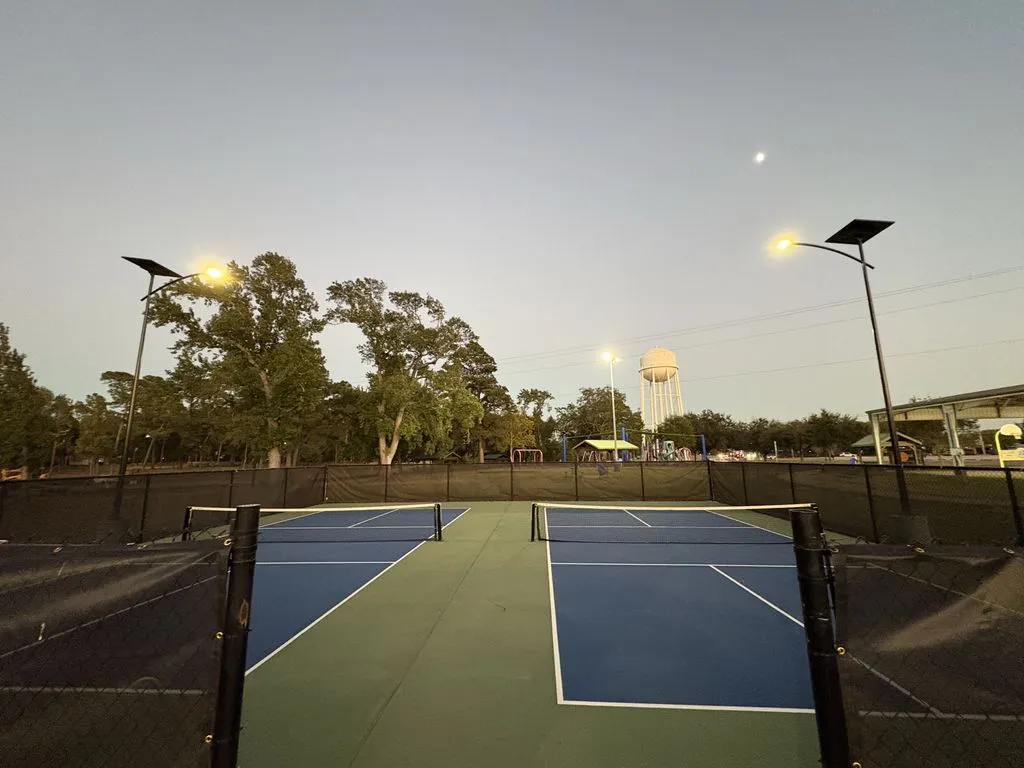
Some Georgia parks require wider lighting coverage than solar bollards or crystal studs can provide. Parking lots, vehicle circulation areas, access roads, and larger recreational spaces often need pole-mounted lighting designed for broader illumination.
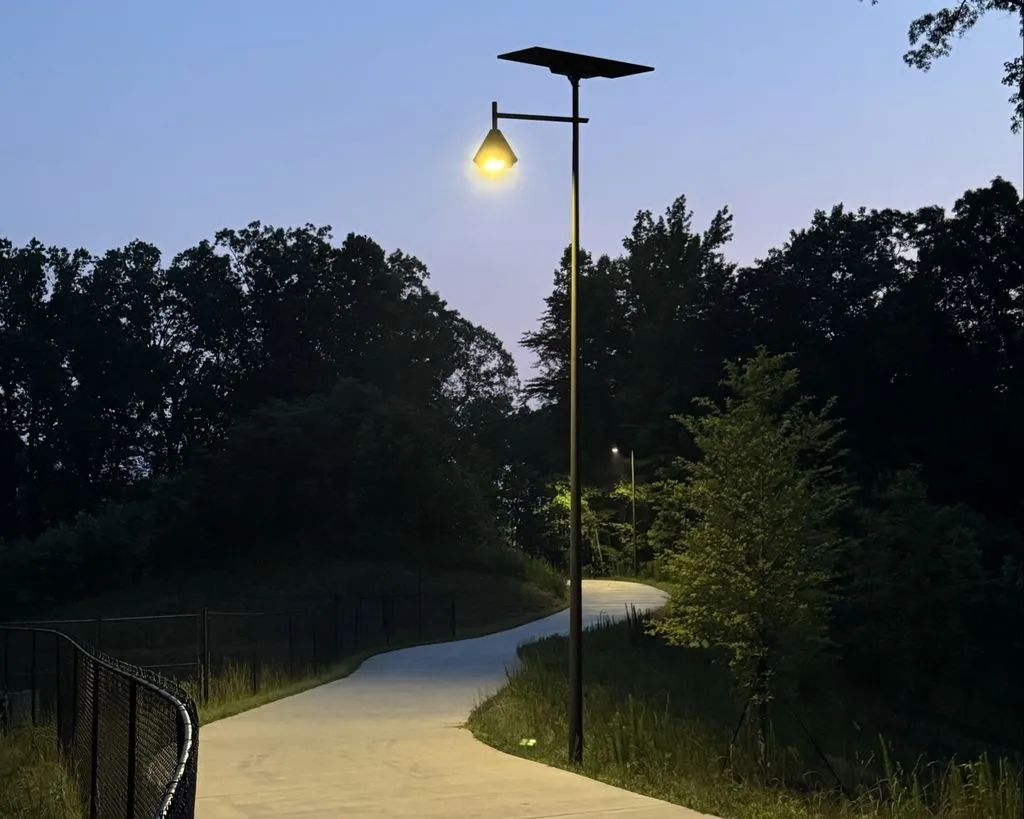
Fonroche SmartLight systems, equipped with Power 365™ technology, provide off-grid lighting for these applications, including connections between parking facilities and pedestrian routes. Their pole-mounted configurations allow project teams to address wider coverage requirements.
Rather than selecting fixtures based on appearance alone, municipalities should evaluate light distribution, coverage, and operating schedules. SmartLight supports broader area illumination, while NOWATT bollards and crystal studs serve pedestrian-scale lighting and route guidance.
Integrate Solar Lighting with Landscape Design and Maintenance Planning
Balance Landscape Integration with Long-Term Maintenance
Solar lighting should complement Georgia’s outdoor environments while meeting functional and maintenance needs. In parks, campuses, and civic spaces, fixture placement should preserve existing landscaping, paved surfaces, and pedestrian routes while minimizing installation disruption.
NOWATT solar bollards and crystal studs can integrate with surrounding landscape materials, while thoughtful light distribution helps limit unwanted spills into neighbouring properties. Waterfront pathways and wildlife-sensitive areas may require additional lighting considerations.
Long-term planning is equally important. Maintenance teams need access for inspections, cleaning, and component servicing. Managing surrounding vegetation and establishing maintenance responsibilities helps keep lighting systems accessible and functional as landscapes change.
Frequently Asked Questions About Solar Lighting for Georgia Parks and Pathways
Yes. Off-grid solar lighting can illuminate walking paths, park entrances, gathering areas, and selected recreational spaces in Georgia. Suitability depends on the site’s solar exposure, required lighting levels, operating hours, and pedestrian activity. A project-specific assessment should guide fixture selection and placement.
NOWATT solar bollards provide pedestrian-scale illumination for walkways, entrances, and landscaped areas. NOWATT crystal studs are ground-level markers designed to define pathway edges and transitions. Crystal studs primarily provide visual guidance rather than the broader illumination needed for pedestrian visibility.
Solar pathway lighting may work near trees, but dense canopy cover can limit energy generation. Seasonal foliage, nearby structures, and changing sun angles should be assessed at each installation point. Heavily shaded locations may require adjusted placement or alternative lighting solutions.
The choice depends on lighting requirements. Fonroche SmartLight systems support broader illumination for parking areas, access roads, and larger public spaces. NOWATT solar bollards provide pedestrian-scale lighting, while crystal studs guide movement along pathways. Some projects may benefit from combining these solutions.
No. Autonomous, off-grid solar lighting operates without underground electrical cabling or utility connections. However, installation still requires appropriate site preparation, mounting, and foundation work where applicable. Requirements depend on the selected fixtures, surrounding landscape, and existing pathway or surface conditions.
Choosing Solar Lighting That Fits Georgia’s Public Spaces
Match the Right Lighting Solution to Every Outdoor Space
Effective Park and pathway lighting begins with understanding pedestrian movement and the purpose of each space. Whether providing functional illumination or route guidance, municipalities should consider solar exposure, landscape integration, and long-term maintenance needs.
Fonroche Lighting America offers SmartLight and NOWATT solutions for Georgia’s diverse public spaces, helping municipalities and property owners explore lighting options suited to their projects.