
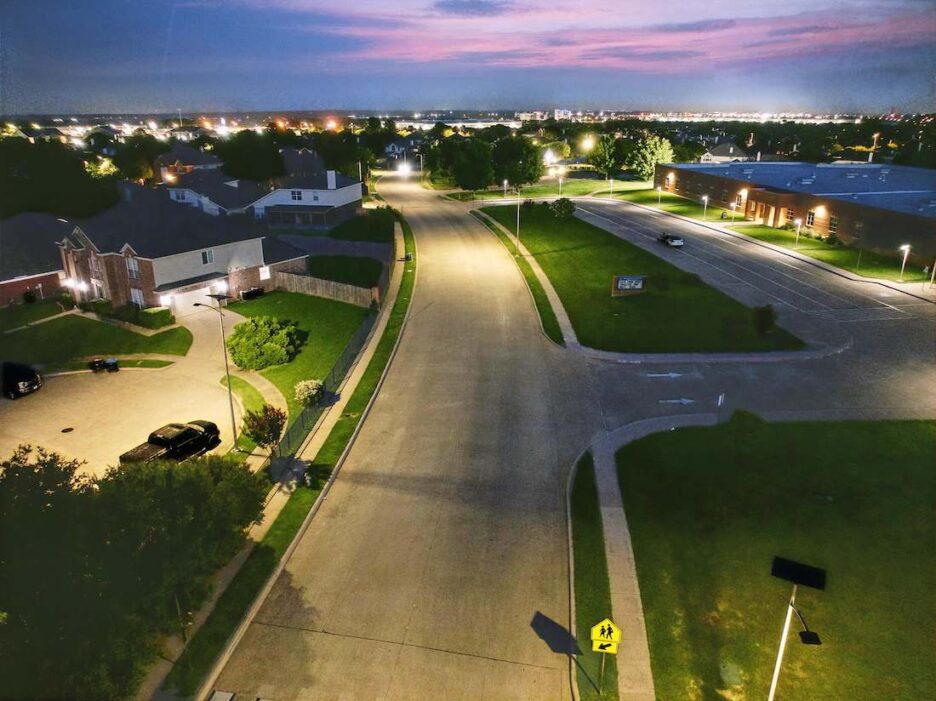
Across Georgia, many small counties and faith-based communities struggle to maintain safe, well-lit outdoor environments. Limited budgets, ageing electrical infrastructure, and the high cost of grid-connected lighting often leave church parking lots, community centers, rural roads, and gathering spaces dim or completely unlit after dark. This lack of visibility not only affects safety but also limits evening activities, outreach events, and overall community engagement.
Off-grid solar street lighting offers an affordable, practical solution for these underserved areas. With no need for trenching, wiring, or utility connections, solar lighting can be deployed quickly and cost-effectively, even in remote regions where electrical access is limited or nonexistent. Paired with grants and rural development funding available across Georgia, off-grid systems empower small counties, churches, and community campuses to enhance safety, reduce long-term costs, and bring reliable lighting to spaces that have gone without it for far too long.
Lighting Gaps in Small Counties & Faith Communities
Many small counties and faith-based campuses across Georgia face persistent lighting challenges due to limited budgets and ageing infrastructure. Rural roadways, church parking lots, community centers, and gathering spaces often rely on outdated fixtures or have no lighting at all because extending electrical service is too costly or simply unavailable. These gaps are especially visible in low-density regions where utilities prioritize larger population centers, leaving smaller communities with fewer resources and fewer options.
Without proper lighting, safety becomes a major concern. Evening church services, youth programs, festivals, and community events often take place in poorly lit areas, increasing risks for accidents, vandalism, and security issues. For counties managing long stretches of rural roads or remote campuses, maintaining traditional grid-tied lighting can be both expensive and logistically difficult. These challenges highlight a clear need for reliable, cost-effective lighting solutions that don’t rely on the electrical grid, giving underserved Georgia communities a way to improve safety without overwhelming local budgets.
Why Off-Grid Solar Street Lighting Is the Perfect Fit
Off-grid solar lighting removes the biggest obstacles that small counties, faith campuses, and rural communities typically face with traditional lighting. Because these systems operate independently of the electrical grid, they can be installed quickly, affordably, and in locations that would otherwise be impossible or too costly to illuminate. This makes off-grid lighting a practical, scalable solution for churches, tribal lands, remote facilities, and underserved Georgia communities.
Key reasons off-grid solar lighting is a perfect fit:
No wiring or trenching required
- Ideal for properties with limited budgets or difficult terrain where electrical work is expensive or disruptive.
No dependence on utility connections
- Critical for rural counties, remote churches, and tribal communities where grid access is unreliable or nonexistent.
Fast, low-disruption installation
- Lights can be placed exactly where safety is needed, parking lots, entrances, walkways, event spaces, and rural roads.
Affordable for small communities
- Eliminates electrical infrastructure costs and long-term utility bills, making lighting achievable even for modest budgets.
Built for long-term reliability
- Durable, off-grid operation ensures lighting stays year-round, regardless of local grid issues or weather-related outages.
This combination of simplicity, cost savings, and independence makes off-grid solar lighting an ideal solution for empowering Georgia’s small counties and faith-based communities.
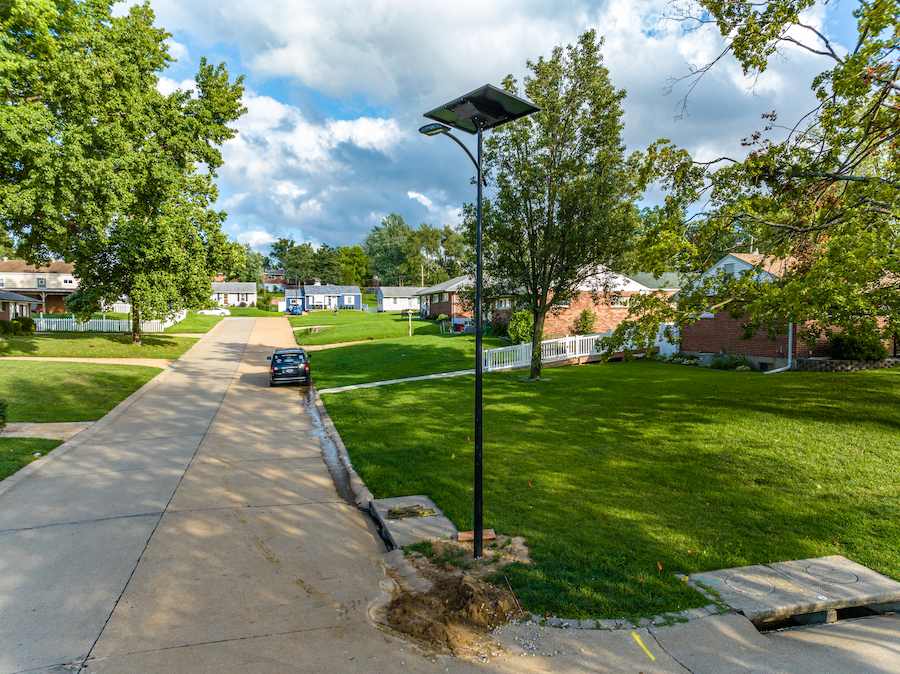
Grant & Funding Opportunities for Georgia Communities
For many small counties and faith-based organizations in Georgia, the largest barrier to installing outdoor lighting is budget, and that’s exactly where federal and state funding programs make a difference. Rural development grants, community safety programs, and energy-efficiency initiatives increasingly support the adoption of off-grid solar lighting because it improves public safety, reduces long-term costs, and eliminates strain on ageing electrical infrastructure. These programs are designed to help underserved communities access essential resources without relying on large capital budgets.
Georgia communities can also tap into federal programs such as USDA Rural Development grants, Community Facilities funding, energy resilience programs, and faith-based safety initiatives. Many churches, small municipalities, and tribal communities qualify for these opportunities, making solar lighting far more financially accessible than traditional electrical projects. With no trenching, no wiring, and no utility tie-ins, grant dollars to stretch further, allowing communities to illuminate parking lots, playgrounds, gathering areas, and rural roads while keeping project costs low and long-term savings high. Many of these grants also support projects focused on resilience, where storm-ready solar lighting for Georgia’s communities keeps roads and gathering spaces illuminated during outages.
Benefits for Faith Leaders, Local Officials & Community Members
Off-grid solar lighting provides Georgia’s faith communities and small counties with a reliable, low-maintenance solution to enhance safety and visibility, without adding operational burdens. Because these systems are fully self-powered and require no electrical infrastructure, leaders can illuminate church grounds, event areas, parking lots, and public facilities without worrying about rising utility costs or ongoing repairs. The long lifespan of modern solar lighting, combined with durable and weather-resistant components, ensures dependable performance throughout every season.
For community members, the impact is immediate and meaningful. Safer walkways, brighter gathering spaces, and well-lit rural roads support evening services, youth programs, local events, and family activities. Off-grid lighting also helps reduce vandalism, improve traffic visibility, and create more welcoming environments for visitors and residents alike. With predictable performance and minimal maintenance, solar lighting offers a practical, long-term solution that strengthens Georgia’s small towns, congregations, and community spaces. When counties begin planning larger roadway, subdivision, or mixed-use projects, they can scale the same technology using scalable solar lighting solutions for Georgia developers and municipal partners.
Case Opportunities Across Rural Georgia
Rural regions across Georgia offer some of the strongest opportunities for off-grid solar lighting, especially where electrical access is limited or costly to expand. In North Georgia’s mountain counties and the small towns of South Georgia, traditional grid-tied lighting is often difficult or too expensive to install.
Faith campuses, community centers, and rural county roads can benefit immediately from lighting that installs anywhere without wiring. Off-grid solar gives these communities a simple, affordable way to improve safety and visibility, even in areas where the grid can’t be reached reliably.
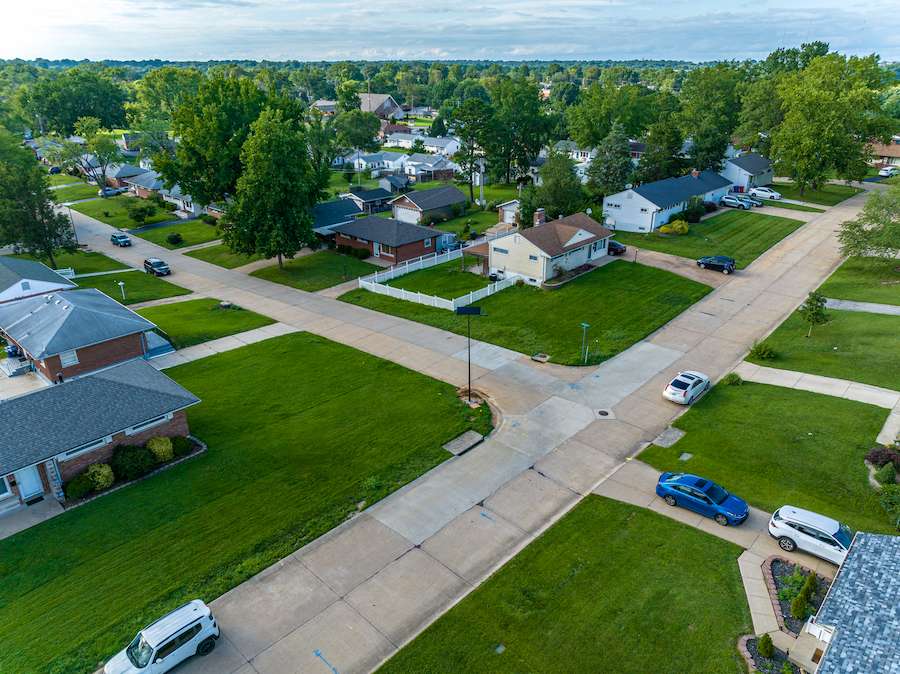
Frequently Asked Questions for Georgia’s Small Communities & Faith Campuses
1. Are there grants available to help small Georgia communities afford solar lighting?
Yes. Many Georgia churches, rural counties, and community campuses qualify for federal and state grants, including USDA Rural Development programs, community safety funds, and energy-efficiency incentives that support off-grid lighting projects.
2. How easy is the installation process for off-grid solar streetlights?
Installation is quick and simple. With no trenching, wiring, or utility hookups required, lights can be installed in parking lots, rural roads, or community grounds in just a few hours.
3. What kind of maintenance do solar streetlights require?
Very little. Modern systems are built with long-lasting, sealed components that operate year-round without routine maintenance or electrical servicing.
4. Are solar lights reliable during storms or cloudy weather?
Yes. Off-grid systems store energy and continue operating through cloudy days, rain, and severe weather, ensuring dependable lighting even during outages.
5. Are these systems suitable for church campuses and faith-based facilities?
Absolutely, Off-grid solar lighting works perfectly for parking lots, entrances, walkways, event spaces, playgrounds, and remote worship sites, providing safe illumination without costly electrical infrastructure.
Bring Reliable Light to Georgia’s Communities
Georgia’s small counties and faith communities deserve safe, well-lit spaces without the burden of high electrical costs or long utility delays. Off-grid solar lighting delivers a simple, affordable way to illuminate parking lots, rural roads, and community areas, even for organizations working with limited budgets.
If your church, county, or community campus is ready to explore safer lighting or learn about available grants, now is the perfect time to begin. Request a local lighting assessment and get guidance on funding options tailored to rural Georgia’s needs.