
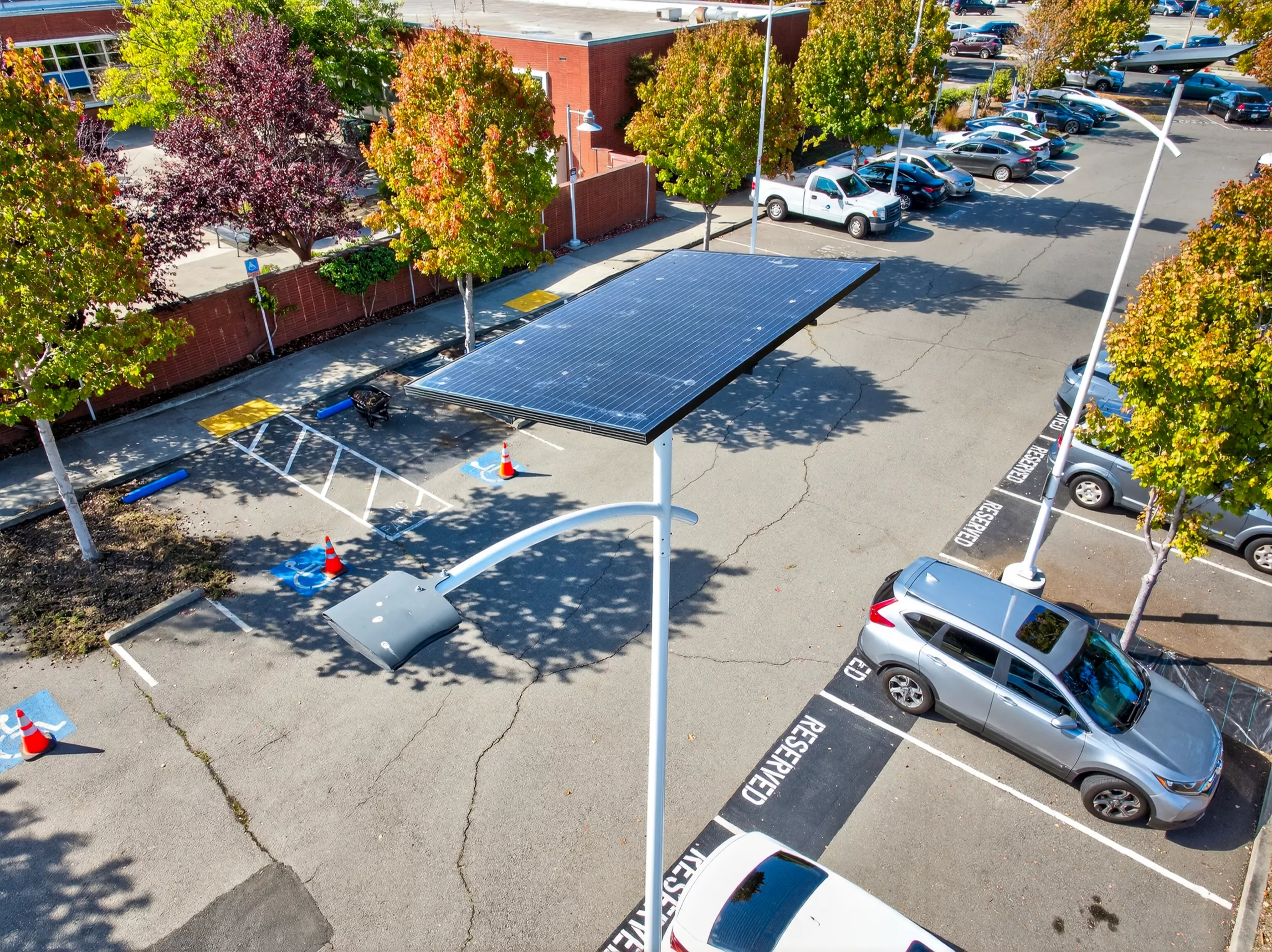
Solar Street Lighting for Remote Roads and Hard-to-Power Locations in California
California’s rural roads, Tribal roads, remote intersections, and isolated public infrastructure can create a basic challenge: lighting is needed, but electrical service may not exist where illumination is required. As the distance from existing power increases, difficult terrain, underground electrical construction, and utility coordination can add complexity to the project.
In these situations, an autonomous solar energy streetlight provides another way to approach roadway lighting. Off-grid solar-powered streetlights generate and store energy at each lighting location, allowing project teams to evaluate illumination where it is needed without first assuming that conventional electrical service must be extended to the site.
Why Remote Road Lighting Becomes an Infrastructure Challenge
Remote road lighting projects can become complicated when the locations requiring illumination are far from existing electrical service. Rural corridors may have dispersed intersections, entrances, or other lighting points separated by long distances, while difficult terrain and existing pavement can make underground electrical distribution more involved.
Extending utility power may require additional roadside construction, conduit, cabling, electrical connections, and coordination before the lights can operate. As lighting locations become more isolated, the supporting infrastructure can become a larger part of the project itself. In these situations, the challenge is not simply installing a streetlight; it is getting electricity to where lighting is actually needed.
Where Remote Road Lighting May Be Needed
Remote road lighting needs can occur at specific points across California where nighttime visibility is required, but infrastructure is widely dispersed.
Rural Roads and Corridors
Lighting may be needed at selected locations along rural roads outside established electrical networks, rather than continuously along the entire corridor.
Remote Intersections
Intersections, entrances, crossings, and decision points may require targeted illumination to improve nighttime visibility for roadway users.
Tribal Roads and Communities
Tribal communities may have roads and infrastructure spread across large areas where electrical access and site conditions vary from one location to another.
Access Roads and Remote Public Facilities
Roads serving public facilities, infrastructure sites, recreation destinations, and other isolated locations may also require lighting at entrances, intersections, or key access points.
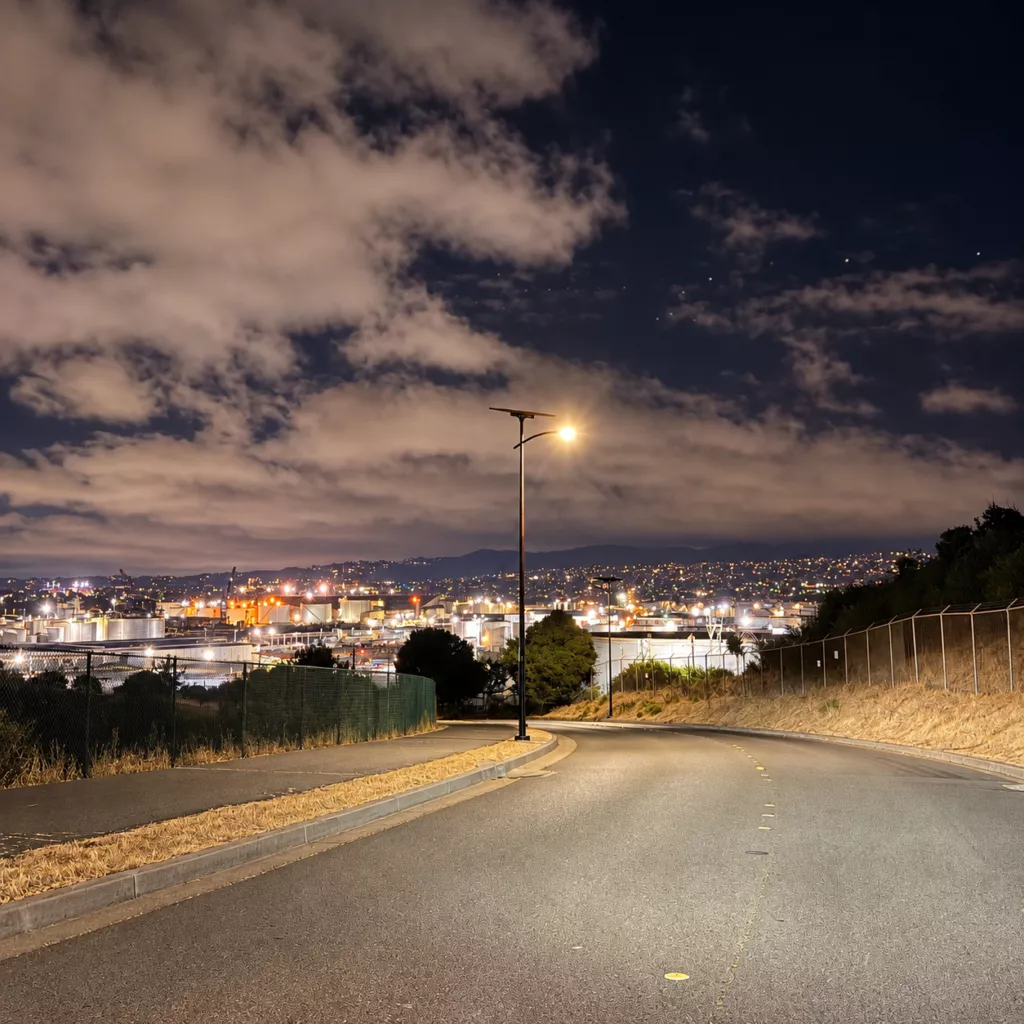
Extending Utility Power vs. Lighting the Location That Needs It
Traditional roadway lighting often requires electrical infrastructure to be extended from an existing power source to each location where illumination is needed. As the distance from available service increases, additional conduit, cabling, utility coordination, and roadside construction can expand the scope of the project.
An autonomous approach changes that infrastructure model. Instead of bringing electricity to each light through a connected network, off-grid solar-powered streetlights generate and store energy at the individual lighting location. This can be particularly relevant when a remote corridor only requires illumination at several intersections, entrances, crossings, or access points. Rather than assuming the entire corridor needs electrical distribution, planners can evaluate each required lighting location based on its specific conditions and performance needs.
How Off-Grid Solar Streetlights Operate in Remote Locations
An off-grid solar energy streetlight generates electricity through its solar module during the day and stores that energy in a battery for nighttime operation. The stored energy powers the solar LED streetlight, while an energy management system controls how available power is used according to the planned operating profile.
Because off-grid solar-powered streetlights operate independently at each lighting point, they do not rely on a continuous electrical connection between locations. For remote roadway projects, solar generation, battery capacity, LED performance, and nighttime operating schedule should be engineered together around the conditions and lighting requirements of the site.
What Must Be Evaluated Before Installing Solar Roadway Lighting
Remote location alone does not make solar roadway lighting the right solution. Each site requires technical evaluation to determine whether the system can deliver the required nighttime performance.
Solar Availability and Shading
Available sunlight and potential shading should be assessed at the actual installation location.
Roadway and Lighting Requirements
Road geometry, illumination objectives, mounting height, light distribution, and pole placement should guide the lighting design.
Battery and Energy Requirements
Battery storage should be sized around expected energy demand and the required operating schedule.
Operating Profile
Lighting needs may change throughout the night, so the operating profile should reflect expected roadway activity and project requirements.
Site and Structural Conditions
Also consider terrain, foundations, pole configuration, and project-specific structural requirements. Together, these factors allow engineers to design the complete system around the location rather than select a standard configuration.
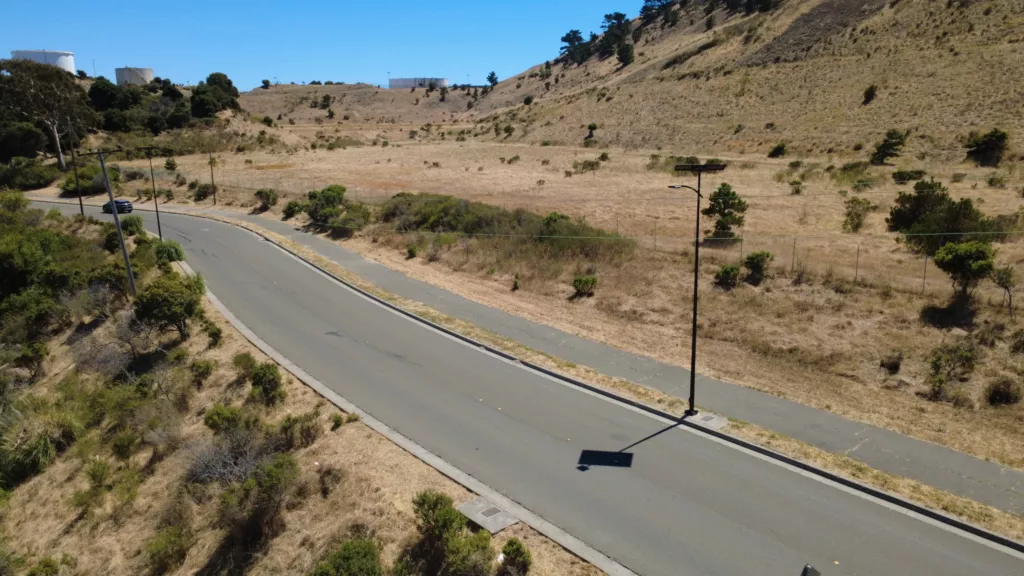
Planning Individual Lighting Points Instead of an Entire Electrical Network
A remote roadway does not necessarily require continuous lighting across its entire length. Depending on roadway requirements, illumination may only be needed at specific intersections, entrances, crossings, curves or decision points, community access locations, or connections to public facilities.
Autonomous solar lighting allows these locations to be evaluated individually rather than automatically extending electrical distribution between every lighting point. This can give California infrastructure planners more flexibility when addressing dispersed lighting needs along rural and remote corridors. However, lighting placement should always be determined by the roadway conditions, intended use, and project-specific illumination requirements, not simply by the availability of solar technology.
Supporting Nighttime Visibility on Remote California Roads
Properly designed roadway lighting can support nighttime visibility where illumination is required along remote California roads. Depending on the location, this may include helping drivers identify intersections, entrances, crossings, curves, and other important roadway features after dark.
Where pedestrian activity is present, lighting can also improve visibility around access points and connections to public facilities. The objective is not simply to add more light, but to provide consistent, planned illumination where roadway users need it. For remote road lighting projects, the required light levels, distribution, placement, and operating schedule should be based on the specific conditions of the site.
When Solar Street Lighting May Not Be the Right Approach
Solar street lighting is not appropriate for every remote roadway project. Significant shading, insufficient solar availability, unusual operating schedules, demanding lighting requirements, or site and structural constraints can affect system feasibility. Existing infrastructure should also influence the decision. Where electrical service is already readily available, and little additional construction is required, grid-connected lighting may remain a practical option.
Frequently Asked Questions
Yes. Solar streetlights can serve remote roadway applications when site conditions support solar generation, and the system is designed around roadway geometry, required illumination, operating schedules, and project-specific conditions.
No. Off-grid solar-powered streetlights generate electricity through solar modules and store energy in batteries for nighttime operations, allowing each lighting point to operate independently of utility power.
Yes. Isolated intersections can be suitable for applications when solar exposure, roadway conditions, lighting requirements, and appropriate system placement support autonomous operation.
System design should consider site-specific solar availability, seasonal conditions, shading, lighting demand, battery capacity, and planned operating profiles to determine appropriate energy generation and storage requirements.
Potentially. They can be relevant where lighting is needed from existing electrical infrastructure, but each location should be evaluated based on roadway requirements, solar availability, site conditions, and required nighttime performance.
Planning Remote Road Lighting Around the Location
Remote roadway lighting works best when the solution is designed around the locations that actually require illumination. For California municipalities, Tribal communities, public works teams, and infrastructure planners, that means evaluating electrical access, roadway conditions, solar availability, lighting requirements, and long-term operating needs together.
Where extending utility power to isolated lighting points would add significant infrastructure, autonomous solar street lighting can provide another option. Fonroche Lighting America can work with project teams to evaluate remote road and hard-to-power locations and determine whether an off-grid solar lighting system is appropriate for the application.