
Solar Landscape Lighting in South Carolina: Enhancing Gardens, Courtyards and Public Spaces
How Outdoor Spaces Change After Dark
After sunset, lighting shapes which landscape features stand out, how people navigate outdoor spaces, and the atmosphere they experience. A Charleston hospitality courtyard, Columbia civic plaza, or Greenville commercial garden may each call for a different balance of pedestrian illumination and subtle visual accents.
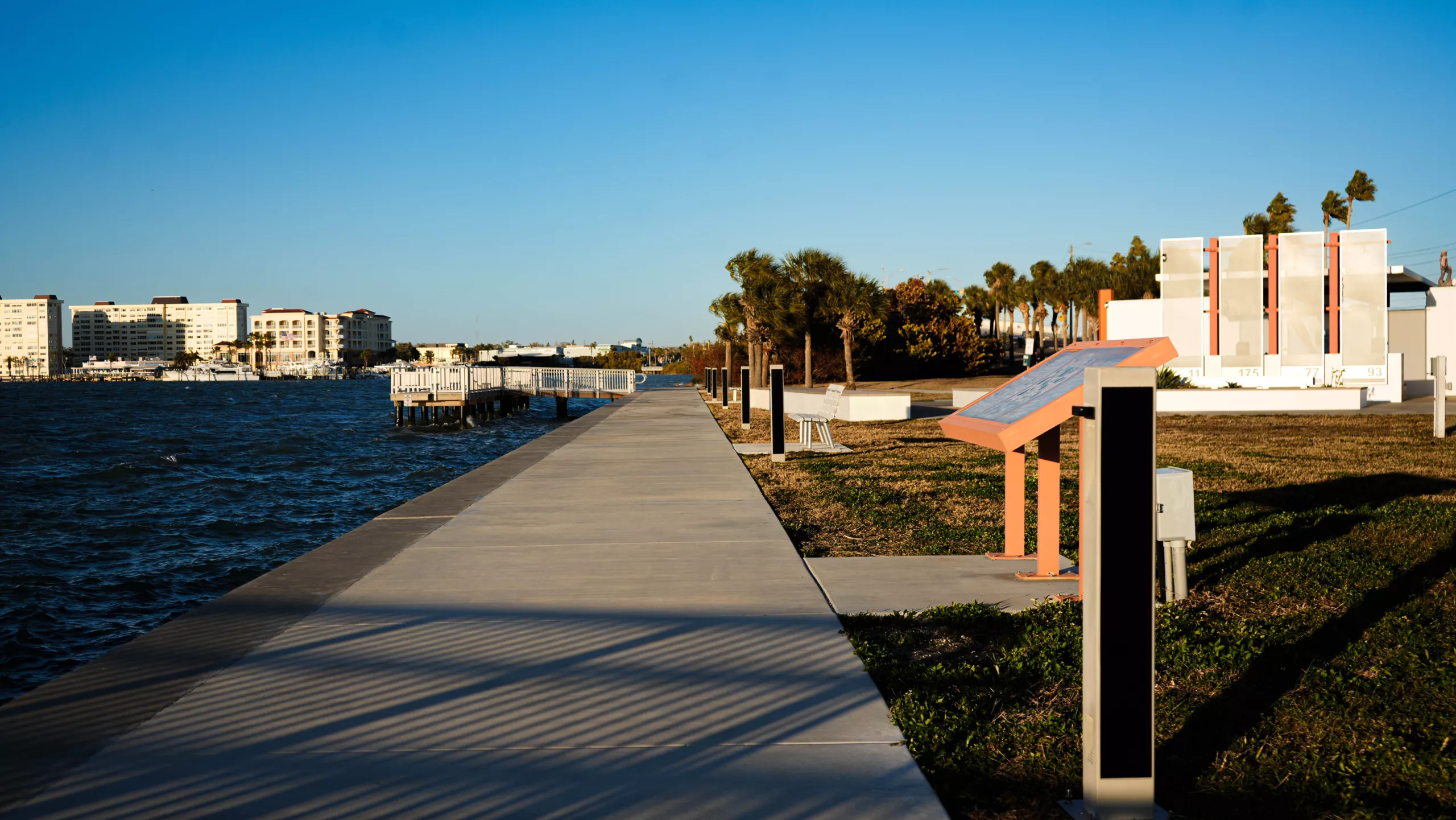
Thoughtful solar landscape lighting in South Carolina starts with the space’s character, its planting, materials, gathering areas, and walking routes. Fonroche Lighting America’s NOWATT solar bollards and Crystal Studs offer options to incorporate illumination and guidance into landscape design, with selection guided by lighting needs and available sunlight.
Identify the Landscape Features Worth Highlighting
Let the landscape layout guide lighting placement. Identify garden borders, planted beds, specimen trees, and architectural features that shape the space. Then consider courtyard entrances, seating areas, and pedestrian connections to determine where light would support movement or establish a visual focal point.
In a Charleston hospitality courtyard, lighting could define the transition between planting and seating. A Columbia public gathering space might emphasize entrances and connecting paths, while a Greenville commercial development could focus on its landscaped approach.
Effective solar lighting for commercial landscapes follows these relationships. Choose positions that complement the architecture and planting, with adequate sunlight, rather than spacing fixtures uniformly without considering each location’s needs.
Balance Nighttime Appearance with Pedestrian Visibility
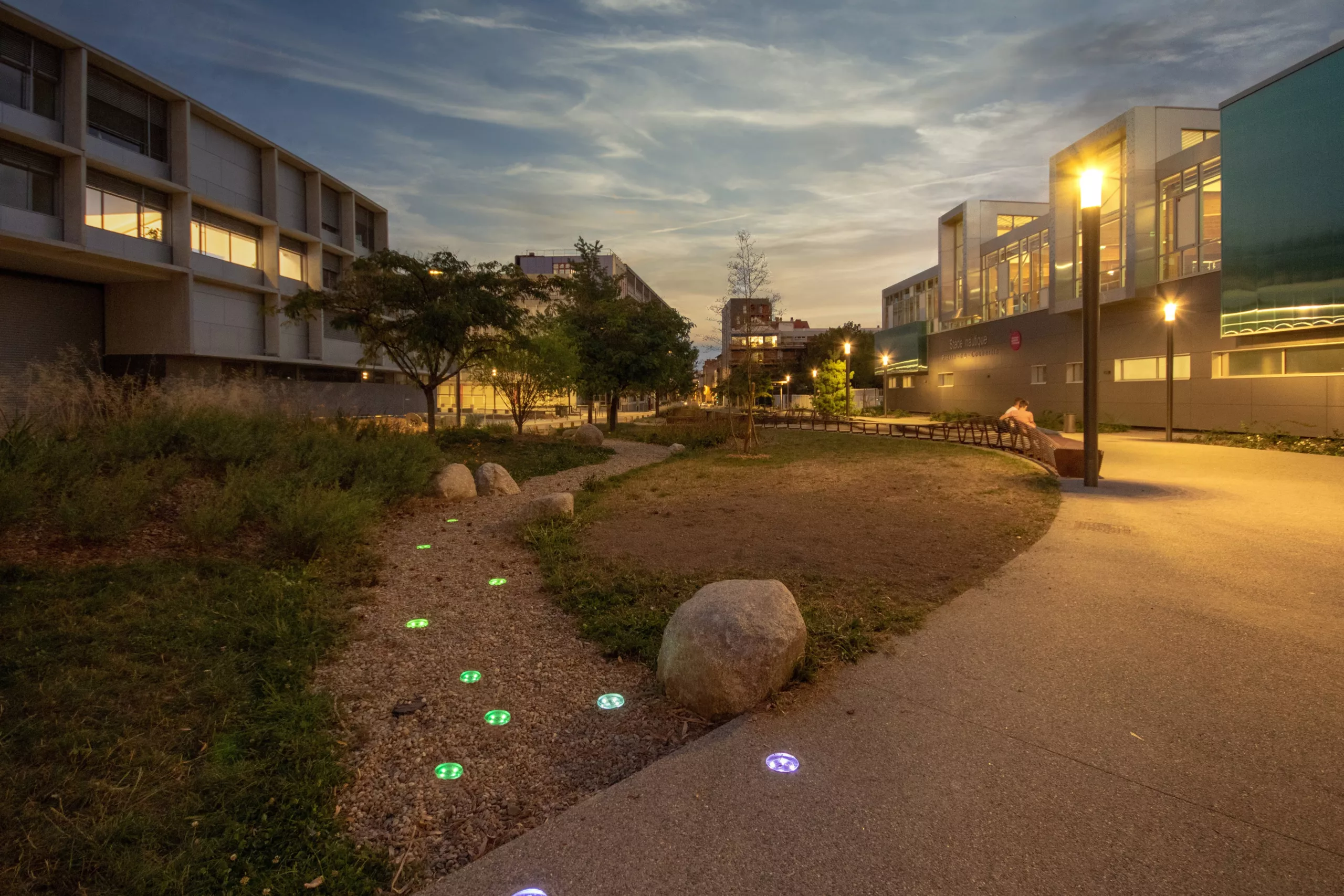
A welcoming nighttime atmosphere depends on more than decorative accents. People also need to see walking surfaces, entrances, and transitions between spaces. Coordinate brightness, light direction, and fixture placement so the landscape feels consistent while pedestrian routes remain clearly visible.
For a resort garden walkway near Hilton Head, decorative solar pathway lighting could reinforce the garden’s character while supporting movement between seating areas and guest facilities. The design should limit distracting glare, excessive brightness, and spill into neighboring spaces.
Review accessibility needs and applicable illumination requirements alongside aesthetic choices. Subtle lighting can contribute to the setting, but visual accents alone should not be assumed to provide the illumination a pedestrian route requires.
Choose Bollard Materials and Forms That Complement the Landscape
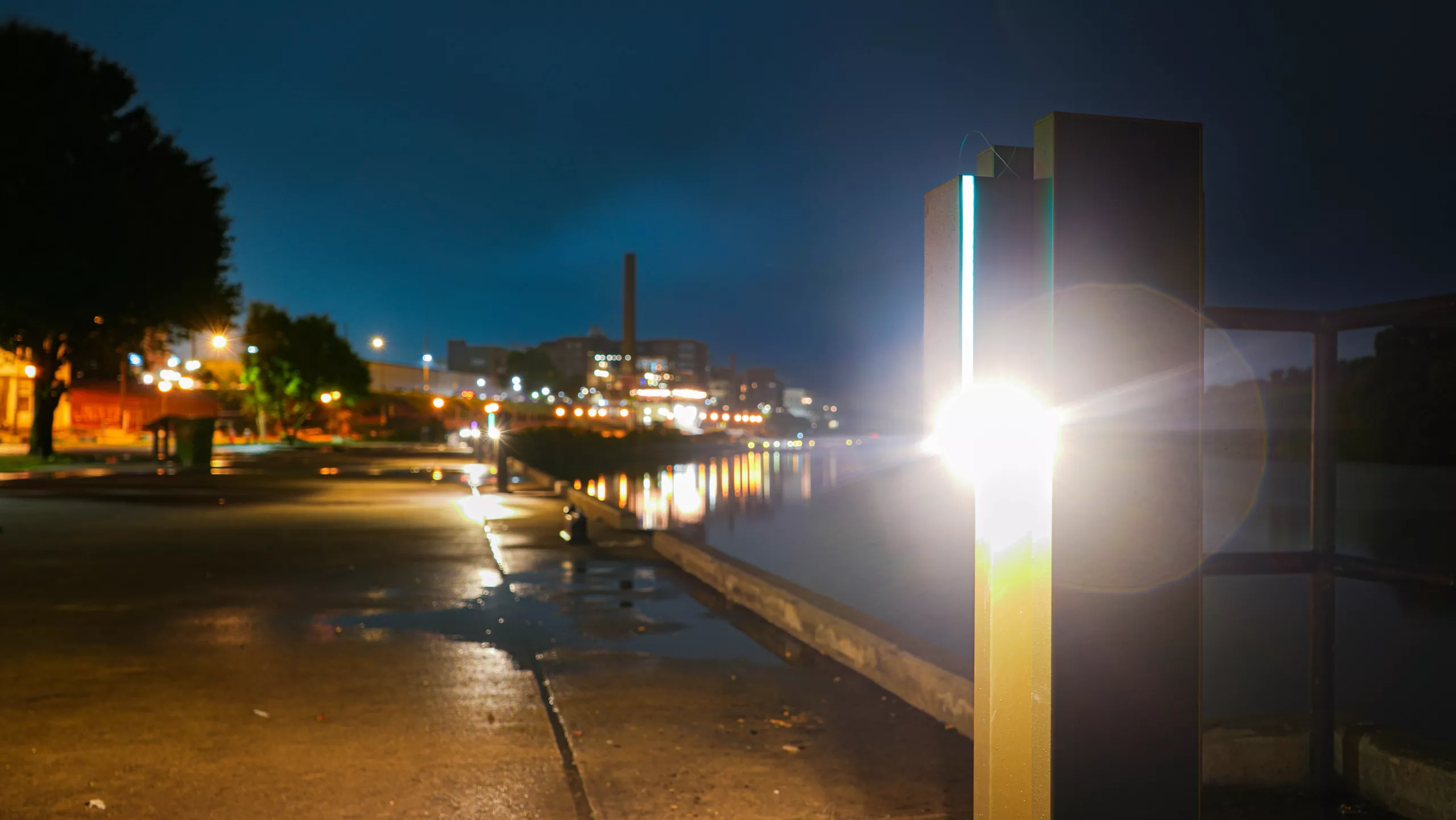
Bollards remain part of the landscape during daylight, so their proportions, materials, and finishes deserve attention alongside their nighttime effect. Contemporary forms can complement modern commercial properties, while understated designs can sit comfortably along planted pedestrian routes. Decorative styles may suit established architecture where their details relate to the surrounding setting.
When selecting solar garden lighting in South Carolina, consider fixtures alongside paving, planting, benches, and other site furniture. A coordinated palette can connect to different outdoor areas without making the lighting visually dominant.
Review material suitability, documented durability, and maintenance needs for the intended location. Appearance should work together with practical requirements, including cleaning access and the property’s long-term upkeep.
Integrate BRUT, OKO, and FOLLOW Into Different Landscape Settings
NOWATT BRUT, OKO, and FOLLOW provide bollard options to evaluate as part of a coordinated landscape lighting scheme. Consider each model’s proportions and visual character alongside the architecture, planting, and pedestrian circulation. Review how the fixture looks during daylight and how its light distribution contributes to the intended nighttime effect.
In a Charleston hospitality courtyard, selection could respond to architectural details and landscaped seating areas. A Greenville commercial property might coordinate fixtures with entrance features, planting beds, and pedestrian approaches. On university grounds in Columbia, a consistent bollard design could visually connect separate courtyards and walkways.
When evaluating NOWATT solar landscape lighting products, compare models within the proposed layout. Position fixtures to support movement, preserve views, and complement surrounding site furniture, while confirming suitable sunlight and mounting conditions at each location.
Use Crystal Studs for Subtle Landscape and Pathway Definition
Crystal Studs can create a visual thread through outdoor spaces, marking route alignments and connecting garden paths, courtyards, and plazas. In South Carolina botanical gardens, resort courtyards, or landscaped public squares, place them to follow paving patterns or reinforce transitions between distinct areas.
Integrate Crystal Stud pathway markers into the broader landscape composition, coordinating their appearance with existing illumination so the overall design feels connected. Evaluate surface compatibility, installation conditions, drainage, and sunlight at each proposed position. Confirm the selected product’s documented specifications before incorporating markers into paving or other finished surfaces.
Coordinate Landscape Lighting with Planting Plans
Solar landscape lighting design should account for how planting will develop around each fixture. Assess sunlight at proposed locations throughout the intended operating season, considering shade from mature trees, shrubs, buildings, and future plant growth.
In an established Charleston garden, tree canopy could limit suitable positions. Along a Columbia campus walkway, new planting could eventually shade solar panels. On Hilton Head resort grounds, lighting placement should accommodate planting beds and routine landscape care.
Coordinate fixtures with root zones, irrigation lines, and planned landscape changes. Leave clear access for groundskeeping, cleaning, and servicing, and select positions where vegetation can mature without obstructing solar collection or the intended light distribution.
Preserve Solar Exposure as the Landscape Matures
A fixture location that receives sufficient sunlight today may become shaded as nearby planting matures. At a South Carolina botanical garden or resort property, expanding tree canopies and taller shrubs could gradually reduce solar exposure.
During planning, assess seasonal sunlight, building shadows, mature planting dimensions, and fixture orientation. Allow access for inspection and vegetation management, and record locations where growth could affect solar collection. Long-term performance should be evaluated against the site’s changing conditions and intended lighting schedule, with placement reviewed as the landscape develops.
Frequently Asked Questions About Solar Landscape Lighting in South Carolina
Solar lighting can define entrances, connect seating areas, and guide movement through a courtyard. Coordinate fixture placement and brightness with the architecture, planting, and existing illumination, while confirming adequate sunlight.
Choose fixtures whose proportions, materials, and appearance complement the garden’s paving, planting, and furniture. Evaluate their daytime presence alongside nighttime light distribution to maintain visual balance and pedestrian visibility.
Only where sufficient sunlight reaches the solar panels. Assess seasonal canopy shade and future growth at each proposed location. A visually appealing position beneath a tree may not provide enough solar exposure.
Check documented suitability for salt exposure and other site conditions, plus drainage, mounting requirements, and sunlight. Charleston-area and Hilton Head properties should evaluate their individual exposure rather than assume every coastal setting has identical requirements.
Create a Cohesive Landscape Lighting Plan for South Carolina
Choose lighting that connects landscape character, pedestrian routes, and fixture aesthetics with available sunlight. Explore our solar lighting solutions in South Carolina. Fonroche Lighting America invites municipal planners, landscape designers, commercial property managers, and hospitality teams to discuss their site’s lighting objectives and evaluate NOWATT options suited to the setting.